
Boeing Poised for Transformative Aircraft Order as Leadership Pursues High-Stakes Diplomatic Strategy
Breaking airline news and aviation industry updates for 2026.

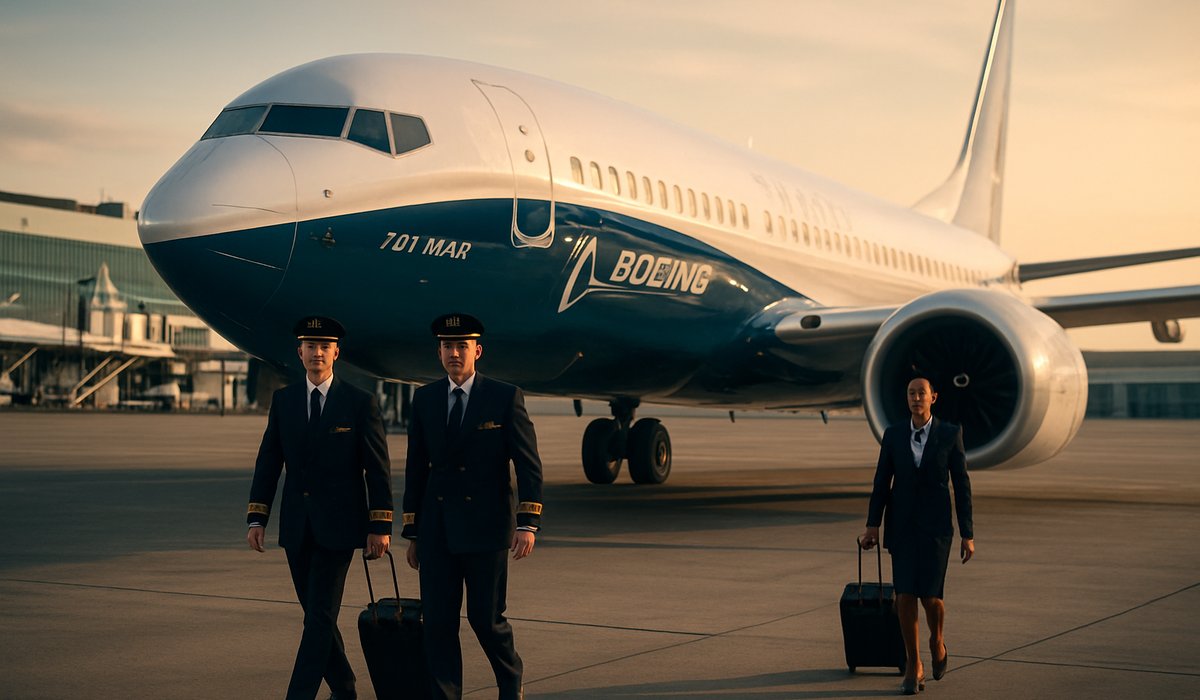
Image generated by AI
Boeing Poised for Transformative Aircraft Order as Leadership Pursues High-Stakes Diplomatic Strategy
As geopolitical tensions ease, aerospace manufacturer signals potential for largest commercial deal in years during strategic engagement with Chinese counterparts
Historic Boeing-China Deal Takes Shape Amid Shifting Trade Relations
Boeing's chief executive is accompanying senior U.S. officials on a pivotal diplomatic mission to China, signaling the aircraft manufacturer's aggressive push toward what could become its most significant commercial contract in nearly a decade. Industry sources indicate negotiations are advancing around a potential order exceeding 500 commercial jetliners—a transformative transaction that would reshape the global aviation landscape and provide critical momentum to Boeing's recovery efforts.
The timing of this overture reflects a broader recalibration in U.S.-China relations and underscores aviation's role as a barometer of international commerce. For Boeing, already navigating production challenges and fierce competition from European rival Airbus, such a deal would represent a watershed moment for the company's financial trajectory and manufacturing capacity planning.
Market Context: Aviation Industry Faces Competing Headwinds
The potential order arrives at a complex juncture for commercial aviation. Airlines worldwide are grappling with elevated jet fuel prices, supply chain constraints, and persistent inflationary pressures that continue to influence aircraft procurement decisions. Simultaneously, carriers remain committed to fleet modernization as aging aircraft demand replacement and environmental regulations intensify pressure to retire less efficient planes.
Boeing's commercial aircraft division has faced sustained pressure following the 737 MAX crisis and subsequent production setbacks. A deal of this magnitude would validate the manufacturer's recovery strategy and demonstrate renewed confidence from major international carriers in its product reliability and delivery capabilities.
Strategic Implications for Global Aviation Supply Chains
An agreement encompassing 500-plus aircraft would ripple across the aerospace supply ecosystem. Suppliers to Boeing's manufacturing network would experience demand surges, employment in aviation manufacturing would likely expand, and production schedules extending across multiple years would stabilize workforce planning across the sector.
China's aircraft acquisition decisions carry geopolitical weight beyond commercial considerations. As Beijing seeks to bolster domestic air transportation capacity to support economic growth and international connectivity, large commercial orders from American manufacturers also signal potential thawing of trade tensions that have defined the past several years.
What's Next for Boeing and the Aviation Sector
The success of these negotiations could establish a precedent for broader commercial engagement and signal industry confidence in sustained demand recovery. For travelers and airlines managing operational costs influenced by aircraft availability and fuel economics, such orders have indirect but meaningful consequences for future airfares and service expansion.
Boeing's leadership engagement at this diplomatic level underscores how deeply commercial aviation intersects with international relations, trade policy, and economic strategy.
Frequently Asked Questions
Q: How would a 500+ aircraft order impact airline ticket prices? A: While aircraft orders take years to fulfill, increased supply typically moderates costs over time. Short-term pricing pressures from fuel costs and operational demands would persist, but expanded fleet capacity eventually helps airlines manage seat availability and pricing competitively.
Q: Why is Boeing pursuing China aggressively right now? A: Boeing needs major orders to stabilize revenue and manufacturing schedules following production disruptions. China represents the world's fastest-growing aviation market, and easing trade relations create a strategic window for negotiation.
Q: How does this compare to Airbus's market position in China? A: Airbus has historically captured significant Chinese orders. A major Boeing deal would rebalance manufacturer competition in this critical market, though both companies will likely continue securing orders there.
Q: What does this mean for jet fuel prices and airline fees? A: Aircraft orders don't immediately affect fuel costs, which fluctuate based on global energy markets. However, increased competition from new capacity could eventually pressure airline fee structures as carriers compete for passengers.
Q: When would these aircraft actually be delivered? A: Orders of this scale typically involve delivery schedules spanning 7-10 years, allowing Boeing to manage production capacity while meeting demand systematically.
Related Travel Guides
Flight Delay Compensation Guide 2026
Understanding Airline Route Changes
Airport Security Process Updated (2026)
External Resources
Disclaimer
This article is for informational and educational purposes only. It does not constitute legal, financial, or professional advice. While we strive to provide accurate and up-to-date information, travel policies, regulations, and conditions change rapidly. Always verify information with official sources before making travel decisions. Nomad Lawyer makes no representations about the accuracy, reliability, completeness, or suitability of the information provided. Readers should consult qualified professionals for advice specific to their circumstances. The views expressed in this article are those of the author and do not necessarily reflect the views of Nomad Lawyer.
Preeti Gunjan
Contributor & Community Manager
A passionate traveller and community builder. Preeti helps grow the Nomad Lawyer community, fostering engagement and bringing the reader experience to life.
Learn more about our team →