
The Messerschmitt Me 262: Why History's First Combat Jet Failed to Change the War
Breaking airline news and aviation industry updates for 2026.

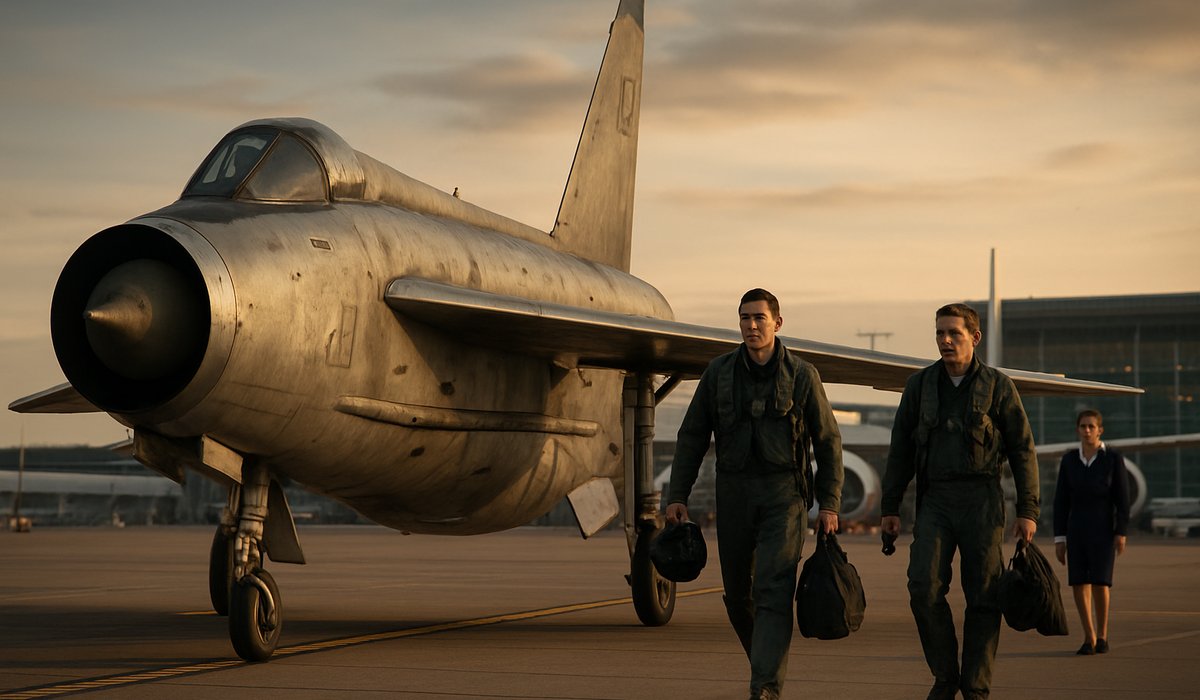
Image generated by AI
The Messerschmitt Me 262: Why History's First Combat Jet Failed to Change the War
A pioneering aircraft that revolutionized aviation technology yet fell short of its strategic promise
A Revolutionary Design That Couldn't Deliver
As Nazi Germany faced imminent collapse in the closing months of World War II, the Luftwaffe deployed an aircraft that would forever alter aviation history—yet paradoxically proved unable to alter the course of the war itself. The Messerschmitt Me 262, introduced in the final year of conflict, holds the distinction of being the world's first jet-powered fighter to see actual combat operations. Despite its revolutionary turbine engines and unprecedented speed capabilities, the revolutionary warbird ultimately failed to fulfill its strategic promise as a war-winning weapon.
Breaking the Sound Barrier on Paper
The Me 262 stunned Allied pilots and military strategists alike. Referred to as a "Wunderwaffe"—or wonder weapon—in German military circles, the aircraft represented a quantum leap in fighter technology. Its jet propulsion systems granted it speed advantages that conventional piston-engine fighters simply could not match. Aviation historians and military analysts worldwide recognized the aircraft's technical breakthrough and celebrated it as a glimpse into the future of aerial combat.
Strategic Promise Meets Operational Reality
However, the technical achievement failed to translate into battlefield dominance. Despite its fearsome reputation and undeniable engineering sophistication, the Me 262 never delivered the decisive tactical advantages that desperate German leadership had anticipated. The aircraft entered service too late in the war, when Germany's industrial capacity was already crippled, fuel supplies critically depleted, and pilot training programs in collapse.
Production limitations meant only a limited number of operational aircraft reached combat units. Maintenance challenges plagued squadrons, as the jet engines themselves were finicky and unreliable by contemporary standards. Furthermore, while the Me 262 possessed superior speed, Allied fighter tactics evolved to exploit its limitations—particularly during takeoff and landing, when the jet was most vulnerable.
A Legacy Beyond War
Though the Me 262 failed as a wonder weapon, its impact on aviation transcended military failure. The aircraft's fundamental design principles influenced jet fighter development for decades across both Western and Soviet aviation programs. It demonstrated that turbine-powered flight was operationally feasible, accelerating the aviation industry's transition from piston engines to jet propulsion throughout the post-war era.
The Messerschmitt Me 262 ultimately represents aviation's paradox: a machine ahead of its time, technologically triumphant yet strategically defeated—a reminder that innovation alone cannot overcome fundamental operational and logistical constraints.
FAQ: Understanding the Me 262's Historical Significance
Q: Why was the Me 262 called a "wonder weapon" if it didn't work? A: The designation referred to its revolutionary jet technology, which was genuinely innovative. However, strategic impact requires more than technical superiority—it demands reliable production, adequate training, and timely deployment.
Q: How many Me 262s actually saw combat? A: Only approximately 300 of the 1,400+ produced aircraft entered operational service before war's end, due to production delays and resource constraints.
Q: Could the Me 262 have changed the outcome of World War II? A: Likely not. By the time it deployed, Germany faced insurmountable disadvantages in fuel production, pilot availability, and overall industrial capacity.
Q: What was the Me 262's primary weakness in combat? A: Its vulnerability during takeoff and landing, combined with engine unreliability and chronic fuel shortages that prevented sustained operations.
Q: How did the Me 262 influence post-war aviation? A: Its jet engine design became the foundation for modern fighter aircraft development by the United States, Soviet Union, and other nations throughout the Cold War era.
Related Travel Guides
External Resources
Disclaimer
This article is for informational and educational purposes only. It does not constitute legal, financial, or professional advice. While we strive to provide accurate and up-to-date information, travel policies, regulations, and conditions change rapidly. Always verify information with official sources before making travel decisions. Nomad Lawyer makes no representations about the accuracy, reliability, completeness, or suitability of the information provided. Readers should consult qualified professionals for advice specific to their circumstances. The views expressed in this article are those of the author and do not necessarily reflect the views of Nomad Lawyer.
Raushan Kumar
Founder & Lead Developer
Full-stack developer with 11+ years of experience and a passionate traveller. Raushan built Nomad Lawyer from the ground up with a vision to create the best travel and law experience on the web.
Learn more about our team →