
American Airlines Removes Moving Walkways From Revamped JFK Terminal 8 Despite $125 Million Investment
Breaking airline news and aviation industry updates for 2026.

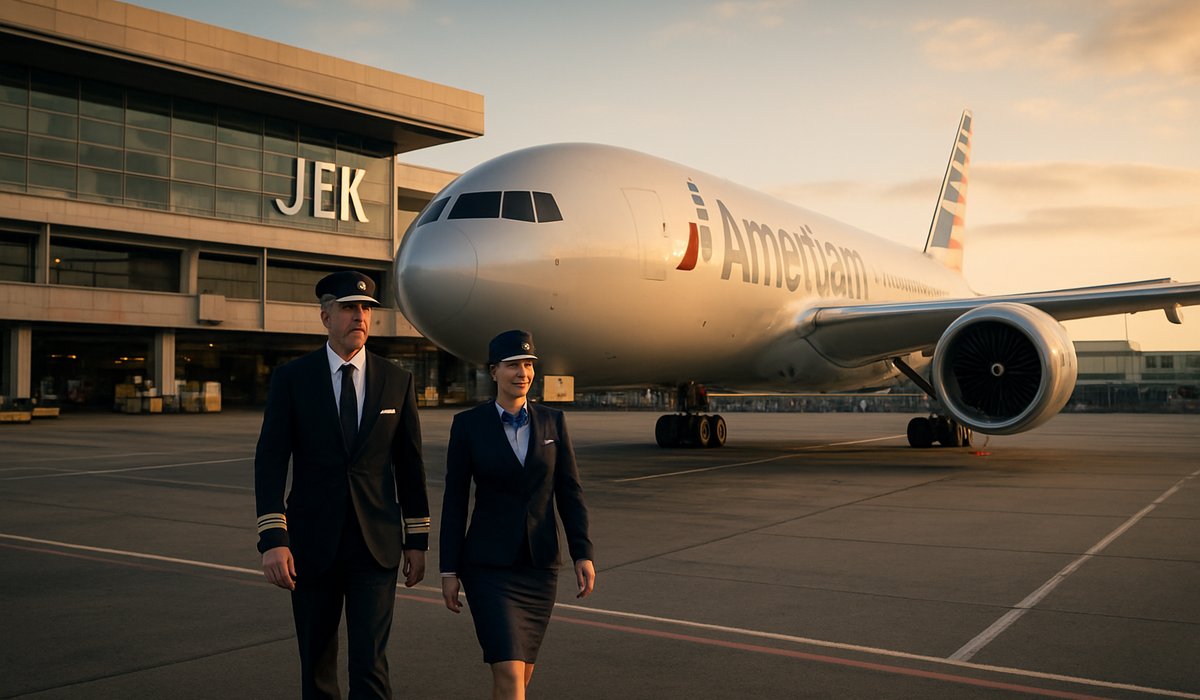
Image generated by AI
American Airlines Removes Moving Walkways From Revamped JFK Terminal 8 Despite $125 Million Investment
Major airport infrastructure decision raises questions about passenger convenience and operational priorities at New York's busiest aviation hub
The Controversial Infrastructure Removal
American Airlines has made a striking operational decision at New York's John F. Kennedy International Airport: the removal of moving walkways from Terminal 8 following the completion of a comprehensive $125 million terminal renovation. The decision, implemented after the facility's modernization concluded in April 2026, has drawn attention to how major carriers prioritize passenger experience against operational efficiency at one of the world's most congested aviation hubs.
As the primary tenant and operational authority overseeing Terminal 8 at JFK, American Airlines holds substantial responsibility for delivering a seamless travel experience to both its own passengers and those of its oneworld alliance partners. The terminal underwent an extensive reconstruction program that commenced in 2024, ultimately concluding in spring 2026.
Strategic Rationale Behind the Decision
The removal of moving walkways—seemingly counterintuitive given the facility's modernization scope—suggests American Airlines has prioritized different operational metrics over traditional passenger convenience measures. Industry analysts point to several potential factors: maintenance cost reduction, space optimization for retail or dining expansion, or simplified terminal flow management during peak travel periods.
Moving walkways, while enhancing passenger comfort, require ongoing maintenance investment and can create bottlenecks during peak boarding periods. By eliminating this infrastructure, American Airlines may be attempting to streamline operational expenses and reduce long-term capital expenditures across its primary New York gateway operation.
Broader Implications for Airport Infrastructure
The decision reflects evolving industry priorities as airlines grapple with inflationary pressures, labor costs, and capacity constraints. While terminals worldwide have increasingly invested in passenger convenience amenities, American Airlines' approach at Terminal 8 suggests a strategic pivot toward functional efficiency.
The $125 million modernization encompassed significant upgrades to the facility's infrastructure, technology systems, and passenger amenities. Yet the removal of moving walkways raises important questions about how major carriers define "modernization" in an era of rising operational costs and competitive pricing pressures.
For travelers using JFK's Terminal 8, particularly connecting passengers navigating between concourses, the removal may increase walk times and fatigue—particularly concerning given JFK's reputation as a geographically expansive airport complex.
Frequently Asked Questions
Why would American Airlines remove moving walkways from a newly renovated terminal? The airline likely prioritized reducing long-term maintenance costs and operational complexity over passenger convenience amenities. Moving walkways require regular servicing, and their removal simplifies facility management.
How does this decision impact passenger experience at JFK Terminal 8? Passengers, especially those making connections or traveling with limited mobility, will face extended walking distances. This may negatively affect customer satisfaction and competitive positioning against rival carriers.
Is this trend spreading across other major U.S. airports? Currently, this decision appears terminal-specific. However, if American Airlines reports significant cost savings, other carriers may adopt similar infrastructure strategies at their respective hub facilities.
What role did the $125 million renovation budget play in this decision? The renovation's scope suggests selective prioritization—substantial investment in technology and aesthetics may have offset passenger convenience features like moving walkways as cost-containment measures.
Could American Airlines reverse this decision based on passenger feedback? Yes. If operational data reveals negative impacts on passenger satisfaction or competitive disadvantage versus other terminals, the airline could reinstate moving walkway infrastructure in future phases.
Related Travel Guides
Flight Delay Compensation Guide 2026
Understanding Airline Route Changes
Airport Security Process Updated (2026)
External Resources
Disclaimer
This article is for informational and educational purposes only. It does not constitute legal, financial, or professional advice. While we strive to provide accurate and up-to-date information, travel policies, regulations, and conditions change rapidly. Always verify information with official sources before making travel decisions. Nomad Lawyer makes no representations about the accuracy, reliability, completeness, or suitability of the information provided. Readers should consult qualified professionals for advice specific to their circumstances. The views expressed in this article are those of the author and do not necessarily reflect the views of Nomad Lawyer.
Kunal K Choudhary
Co-Founder & Contributor
A passionate traveller and tech enthusiast. Kunal contributes to the vision and growth of Nomad Lawyer, bringing fresh perspectives and driving the community forward.
Learn more about our team →