
Boeing 777X Faces Extreme Brake Testing as FAA Certification Demands Rigorous Safety Validation
Breaking airline news and aviation industry updates for 2026.

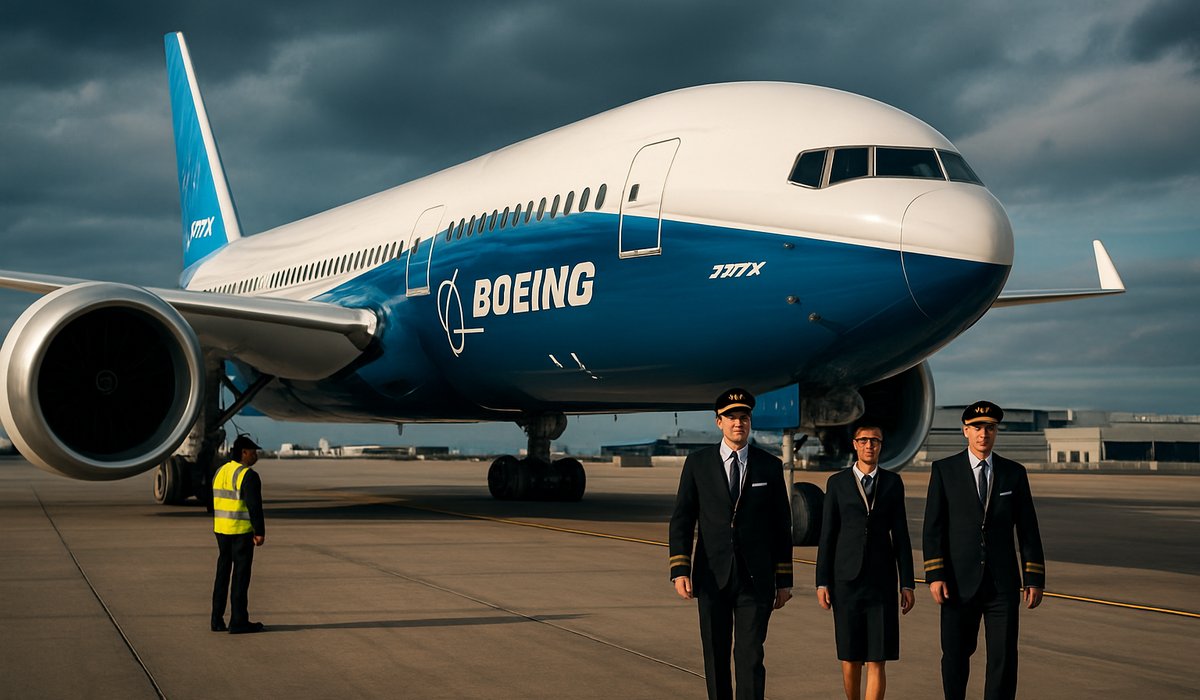
Image generated by AI
Boeing 777X Faces Extreme Brake Testing as FAA Certification Demands Rigorous Safety Validation
Aircraft must withstand temperatures exceeding 2,500°F during mandatory landing tests before regulatory approval
Breaking: Critical Safety Milestone in Boeing's Longest Certification Campaign
Boeing's troubled 777X widebody aircraft is undergoing one of aviation's most demanding certification procedures: extreme brake testing that pushes landing systems to their absolute physical limits. The test protocol requires the aircraft to execute emergency stops at near-takeoff velocities on desert runways, generating brake temperatures that exceed 2,500°F—conditions that represent some of the most punishing stress testing in modern aircraft certification history.
The comprehensive brake validation campaign represents a critical yet often-overlooked phase of the 777X's protracted Federal Aviation Administration (FAA) certification process. Unlike the high-profile manufacturing delays and design modifications that have dominated headlines, these ground-based tests operate with minimal public attention despite their fundamental importance to passenger safety and regulatory approval.
Why Brake Systems Face Such Extreme Testing Standards
Aircraft braking systems must perform reliably across an enormous range of operational scenarios, from routine landings with standard descent profiles to catastrophic emergency situations where pilots need maximum stopping power. The 777X's brake testing replicates the worst-case scenarios engineers can devise: a fully loaded aircraft approaching landing weight, traveling at speeds close to takeoff velocity, requiring immediate deceleration without brake failure.
The 2,500°F threshold targets the thermal limits of advanced brake materials and compounds. At these temperatures, friction coefficients change, material properties shift, and hardware integrity faces extreme stress. By deliberately operating at and beyond these temperatures, engineers gather essential data about system behavior under conditions that could theoretically occur during a real emergency.
Implications for Aviation Industry and Certification Standards
Boeing's exhaustive testing reflects broader trends in aviation safety culture. Modern aircraft certification demands significantly more rigorous validation than previous generations, particularly following high-profile accidents and incidents that revealed systemic safety gaps. The FAA has intensified its oversight standards, requiring manufacturers to demonstrate not just compliance with minimum standards, but margin of safety across their entire operational envelope.
These brake tests also underscore why the 777X certification timeline has extended considerably beyond initial projections. The aircraft isn't simply awaiting paperwork approval; it's enduring one of the most comprehensive validation campaigns ever conducted for a commercial transport aircraft. Every system—from engines to hydraulics to environmental controls—faces similarly demanding scrutiny.
For airlines waiting to deploy the 777X on long-haul routes, these tests represent essential prerequisites before aircraft delivery. The delay frustrates operators managing fleet expansion plans, but the alternative—certifying aircraft inadequately tested—would pose unacceptable risks to passengers and crew.
FAQ: Boeing 777X Certification and Aviation Safety Testing
What is the Boeing 777X and why has certification taken so long? The 777X is Boeing's next-generation widebody aircraft designed for ultra-long-haul international routes. Certification delays stem from design modifications, production challenges, and intensified FAA safety protocols implemented after previous aircraft incidents.
Why do aircraft undergo brake temperature testing? Brake systems must function reliably during emergency stops and extreme thermal conditions. Testing ensures materials maintain friction and structural integrity at temperatures exceeding normal operational limits, validating safety margins.
How do extreme brake tests impact delivery timelines? Comprehensive testing is mandatory before FAA certification. While these tests delay aircraft delivery, they're non-negotiable requirements that prevent safety-critical failures and protect passengers and crew during operations.
What other systems undergo similar extreme validation? All critical aircraft systems—engines, hydraulics, electrical systems, flight controls, and pressurization—undergo comparable stress testing to ensure performance across their full operational and emergency envelopes.
Will other aircraft manufacturers conduct similar testing? Yes, extreme system validation is standard across the aviation industry. Airbus, Bombardier, and other manufacturers follow equivalent FAA and international certification protocols requiring comparable safety demonstrations.
Related Travel Guides
Flight Delay Compensation Guide 2026
Understanding Airline Route Changes
Airport Security Process Updated (2026)
External Resources
Disclaimer
This article is for informational and educational purposes only. It does not constitute legal, financial, or professional advice. While we strive to provide accurate and up-to-date information, travel policies, regulations, and conditions change rapidly. Always verify information with official sources before making travel decisions. Nomad Lawyer makes no representations about the accuracy, reliability, completeness, or suitability of the information provided. Readers should consult qualified professionals for advice specific to their circumstances. The views expressed in this article are those of the author and do not necessarily reflect the views of Nomad Lawyer.
Kunal K Choudhary
Co-Founder & Contributor
A passionate traveller and tech enthusiast. Kunal contributes to the vision and growth of Nomad Lawyer, bringing fresh perspectives and driving the community forward.
Learn more about our team →