
Five Game-Changing Aircraft Reshaping Modern Aviation: What Pilots Say About the Future of Flight
Breaking airline news and aviation industry updates for 2026.

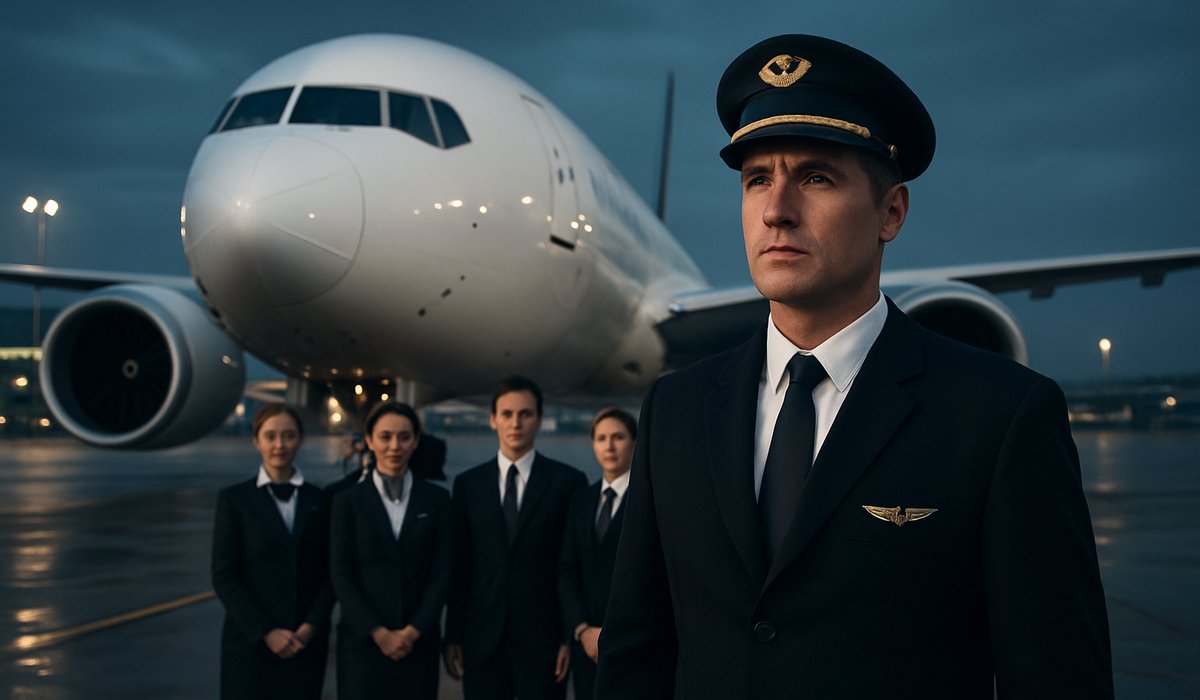
Image generated by AI
Five Game-Changing Aircraft Reshaping Modern Aviation: What Pilots Say About the Future of Flight
Advanced automation and AI-assisted cockpits are fundamentally transforming how pilots operate everything from commercial superjumbos to business jets in 2026
The Automation Revolution Taking Over Global Airways
The aviation industry stands at a technological inflection point. Across commercial carriers, private aviation, and military platforms, a profound shift is underway—one where sophisticated automation systems are fundamentally redefining the relationship between pilot and machine. Rather than replacing human expertise, cutting-edge aircraft now feature intelligent co-piloting systems designed to enhance decision-making, reduce cognitive load, and minimize pilot fatigue on extended routes.
Industry pilots operating the most advanced aircraft platforms confirm what aerospace engineers have long predicted: the future of flight relies on human-machine collaboration rather than automation in isolation. This paradigm shift addresses one of aviation's most persistent challenges—crew fatigue during ultra-long-haul operations—while simultaneously pushing aerodynamic boundaries and operational efficiency.
Next-Generation Aircraft Leading the Charge
Five aircraft platforms have emerged as benchmarks for technological advancement, each addressing specific operational demands while showcasing innovations that industry experts believe will become industry standard within five years.
These platforms span the entire aviation spectrum. Massive wide-body aircraft designed for transpacific routes incorporate predictive systems that anticipate weather patterns and optimize fuel consumption in real-time. Mid-size business jets feature augmented reality heads-up displays and autonomous systems that handle routine flight procedures, freeing pilots to focus on strategic decision-making and aircraft management. Even specialized military platforms demonstrate how situational awareness technology can be deployed across different operational contexts.
Situational Awareness: The Central Theme
What unites these technologically distinct platforms is a shared architectural philosophy: enhanced situational awareness through intelligent automation. Modern cockpits now integrate real-time data streams covering weather, air traffic patterns, aircraft systems status, and predictive maintenance alerts into unified displays that present information contextually rather than overwhelming crews with raw data.
Pilots operating these systems report measurable improvements in workload distribution, particularly during challenging phases of flight—approach procedures, turbulent weather encounters, and emergency scenarios. The technology functions as an informed partner capable of flagging risks before they escalate into critical situations.
What This Means for Commercial Aviation
As these advanced platforms proliferate across airline fleets, operational efficiency improvements translate directly into reduced fuel consumption, fewer weather-related delays, and enhanced safety margins. For passengers and carriers alike, the implications extend beyond technological novelty—they represent tangible improvements in reliability and cost efficiency.
Frequently Asked Questions
Q: How do automated cockpit systems reduce pilot fatigue on long-haul flights? A: Modern automation handles routine procedures and continuously monitors aircraft systems, allowing pilots to concentrate on strategic decisions rather than repetitive manual tasks, significantly reducing cognitive fatigue on flights exceeding 15+ hours.
Q: Are advanced automation systems making commercial aviation safer? A: Yes—predictive systems and enhanced situational awareness enable crews to identify and respond to potential issues earlier, while redundant automated safeguards provide backup protection during critical flight phases.
Q: Which airlines are currently operating these next-generation aircraft? A: Major carriers operating advanced platforms include airlines with superjumbo fleets on transpacific routes, premium carriers with modern wide-body aircraft, and business aviation operators with latest-generation jets featuring AI-assisted cockpits.
Q: Will automation eventually replace pilots entirely? A: Industry consensus indicates automation will continue augmenting pilot capabilities rather than replacing human expertise. Complex decision-making, emergency response, and regulatory oversight remain fundamentally human responsibilities.
Q: When will these technologies become standard across commercial aviation? A: Current projections suggest advanced automation and AI-assisted systems will become industry standard within 5-7 years as older aircraft retire and new platforms enter service across major carriers.
Related Travel Guides
- The Extreme Pre-Flight Rituals of SR-71 Blackbird Pilots: A Unique Aviation Protocol Lost to History
- Breaking Airline News: Etihad Airways Deploys Massive Kabul Expansion, Shielding Middle Eastern Passengers from Terrifying Transit Chaos
- Gulf Air Deploys New Airbus A321neo to Defeat Middle East Travel Chaos, Expanding Fleet to 46 Aircraft to Prevent Flight Cancellations and Regional Airport Disruptions: Latest Airline News
Disclaimer
This article is for informational and educational purposes only. It does not constitute legal, financial, or professional advice. While we strive to provide accurate and up-to-date information, travel policies, regulations, and conditions change rapidly. Always verify information with official sources before making travel decisions. Nomad Lawyer makes no representations about the accuracy, reliability, completeness, or suitability of the information provided. Readers should consult qualified professionals for advice specific to their circumstances. The views expressed in this article are those of the author and do not necessarily reflect the views of Nomad Lawyer.
Raushan Kumar
Founder & Lead Developer
Full-stack developer with 11+ years of experience and a passionate traveller. Raushan built Nomad Lawyer from the ground up with a vision to create the best travel and law experience on the web.
Learn more about our team →