
Airbus vs Boeing: Why These Aviation Giants Built Fundamentally Different Cockpit Philosophies
Breaking airline news and aviation industry updates for 2026.

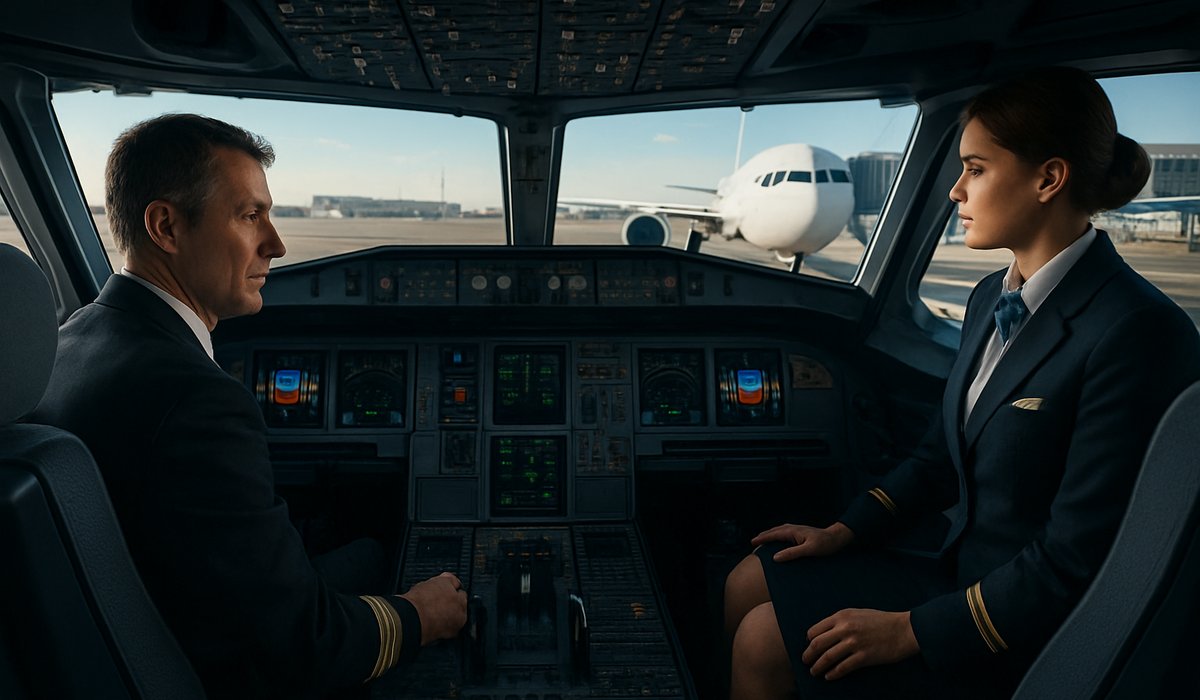
Image generated by AI
Airbus vs Boeing: Why These Aviation Giants Built Fundamentally Different Cockpit Philosophies
The competing design approaches that shape how pilots interact with modern aircraft automation reveal decades of engineering debate at the heart of commercial aviation
The Core Design Divide
The flight decks of Airbus and Boeing aircraft represent two starkly contrasting visions for human-machine interaction in modern commercial aviation. When pilots move between these aircraft, they encounter not merely different instrument layouts or control positions—they face fundamentally opposed philosophies about how automation should function and how crews should oversee it. This architectural difference has become one of the defining technical and operational distinctions in the global aviation industry.
Airbus's Automation-First Philosophy
Airbus has constructed its cockpit design around the principle of computer-mediated control. In Airbus aircraft, the flight control computers serve as intermediaries between pilot inputs and aircraft responses. Pilots issue commands through side-stick controllers, which the automation interprets and executes within programmed parameters. The system is engineered to prevent pilots from commanding maneuvers beyond the aircraft's structural or aerodynamic limits—a design choice rooted in protecting aircraft integrity and enhancing safety margins.
This approach reflects Airbus's conviction that sophisticated automation, combined with protective envelope management, represents the safest path for commercial aviation. The philosophy prioritizes removing human error from critical flight phases through computer-managed constraints.
Boeing's Direct Control Legacy
Boeing has maintained a fundamentally different approach, preserving what the company characterizes as more direct pilot authority over aircraft control surfaces. Boeing aircraft feature mechanical or mechanically-linked control systems that grant pilots broader latitude in commanding pitch, roll, and yaw inputs. The philosophy assumes that experienced flight crews, operating within their training envelope, require maximum control authority and transparency in how the aircraft responds to their inputs.
This design reflects Boeing's engineering tradition emphasizing pilot autonomy, transparency in control feedback, and skepticism toward over-automation in routine flight operations.
Industry Implications
These competing philosophies have significant consequences across the aviation sector. Pilot training requirements differ substantially between manufacturers. Airlines must invest in type-rating certification specific to each airframe family. Accident investigation patterns reveal how automation architecture influences crew decision-making during non-normal situations.
The philosophical divide also extends to cost structures, maintenance protocols, and fuel efficiency—factors that influence airline fleet acquisition decisions and operational economics globally.
Looking Forward
As both manufacturers develop next-generation aircraft and enhance existing fleets with advanced automation, this fundamental design debate continues shaping the future of commercial aviation safety and operational efficiency.
FAQ: Airbus vs Boeing Cockpit Design
Q: Why do Airbus and Boeing cockpits feel completely different for pilots? A: Airbus uses computer-mediated controls with protective automation, while Boeing preserves more direct mechanical control authority and pilot feedback.
Q: Does one philosophy make flying safer than the other? A: Safety outcomes depend on multiple factors including pilot training, maintenance standards, and operational procedures. Both manufacturers maintain excellent safety records with their respective design approaches.
Q: Do pilots need separate training for each manufacturer's aircraft? A: Yes. Type-rating certification is required for each aircraft family due to fundamentally different control systems and automation logic.
Q: How does cockpit design influence airline operating costs? A: Training expenses, maintenance protocols, spare parts compatibility, and fuel efficiency vary between manufacturers, affecting total fleet operating economics.
Q: Which cockpit design is becoming the industry standard for future aircraft? A: Both manufacturers continue refining their existing philosophies rather than converging. Future certification standards may influence automated system requirements across the industry.
Related Travel Guides
Flight Delay Compensation Guide 2026
Understanding Airline Route Changes
Airport Security Process Updated (2026)
External Resources
Disclaimer
This article is for informational and educational purposes only. It does not constitute legal, financial, or professional advice. While we strive to provide accurate and up-to-date information, travel policies, regulations, and conditions change rapidly. Always verify information with official sources before making travel decisions. Nomad Lawyer makes no representations about the accuracy, reliability, completeness, or suitability of the information provided. Readers should consult qualified professionals for advice specific to their circumstances. The views expressed in this article are those of the author and do not necessarily reflect the views of Nomad Lawyer.
Raushan Kumar
Founder & Lead Developer
Full-stack developer with 11+ years of experience and a passionate traveller. Raushan built Nomad Lawyer from the ground up with a vision to create the best travel and law experience on the web.
Learn more about our team →