
Delta Air Lines Dramatically Scales Back Boeing 757 Transatlantic Operations, Signaling Shift to Modern Narrowbody Fleet
Breaking airline news and aviation industry updates for 2026.

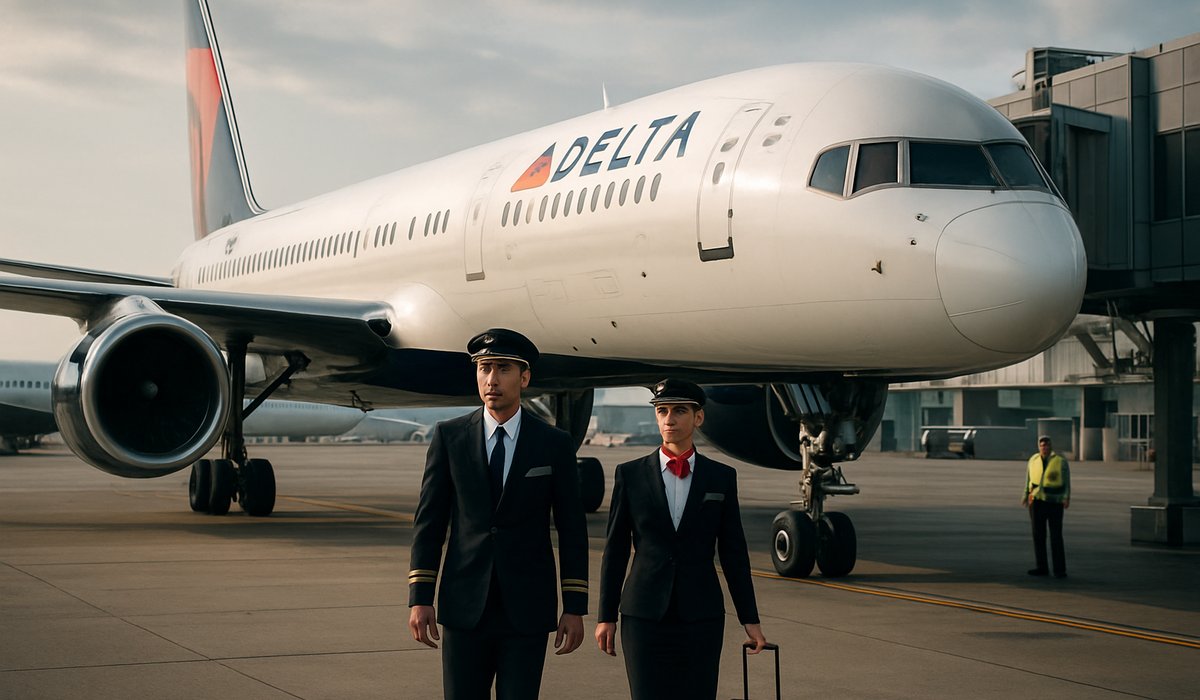
Image generated by AI
Delta Air Lines Dramatically Scales Back Boeing 757 Transatlantic Operations, Signaling Shift to Modern Narrowbody Fleet
Historic workhorse aircraft exits lucrative European market as carrier modernizes long-haul capabilities
The End of an Era: Boeing 757 Fades From Delta's European Network
Delta Air Lines has virtually eliminated its Boeing 757 presence on transatlantic routes, now operating just two services to Europe compared to the aircraft type's former prominence on the carrier's international network. The strategic withdrawal marks a significant turning point in the airline's fleet modernization strategy and reflects broader industry trends toward next-generation narrowbody aircraft for long-haul operations.
A Complete Career Reversal for the 757
The Boeing 757's trajectory in commercial aviation tells a story of technological evolution and operational economics. The aircraft initially established itself as a reliable workhorse on short-haul and domestic routes throughout the 1980s and 1990s. The introduction of Extended-range Twin-engine Operations Performance Standards (ETOPS) regulations transformed the 757's utility, permitting carriers to deploy the narrowbody aircraft across the Atlantic on profitable transatlantic services—a niche market the 757 dominated for decades.
However, the emergence of modern narrowbody competitors with superior fuel efficiency, passenger comfort features, and lower operational costs has fundamentally reshaped Delta's transatlantic strategy. Airlines worldwide are increasingly favoring aircraft such as the Airbus A321XLR and Boeing 787 Dreamliner for long-haul operations, offering better economics and enhanced passenger amenities.
Strategic Implications for Fleet Modernization
Delta's reduction of 757 European operations reflects the carrier's broader commitment to fleet renewal during a period of elevated jet fuel prices and intensifying pressure on airline margins. By consolidating its transatlantic capacity onto newer aircraft, the carrier optimizes fuel consumption and reduces maintenance expenditures—critical factors in an environment where operational efficiency directly impacts profitability.
The 757's return to domestic and short-haul duties represents a pragmatic reallocation of aging assets. Rather than retiring these aircraft entirely, Delta leverages their remaining utility on revenue-generating regional and domestic services, where their performance characteristics align with operational requirements and market demands.
Industry-Wide Modernization Trend
Delta's strategic shift exemplifies a transformation occurring across the global aviation sector. As fuel costs remain volatile and environmental regulations tighten, carriers worldwide are accelerating retirement schedules for older narrowbody fleets while investing in fuel-efficient successors. This transition carries profound implications for aircraft manufacturers, maintenance providers, and second-hand aircraft markets.
The narrowing of transatlantic 757 operations also underscores competitive pressures facing legacy carriers to enhance their long-haul product offerings. Newer aircraft provide superior passenger experiences and operational performance metrics that increasingly influence carrier selection among premium travelers.
Frequently Asked Questions
Why is Delta retiring its Boeing 757 fleet from European routes? Modern narrowbody aircraft offer superior fuel efficiency and lower operating costs, making them more economical for long-haul operations in an environment of volatile jet fuel prices.
What aircraft is replacing the Boeing 757 on Delta's transatlantic routes? Delta is transitioning to next-generation narrowbodies and widebody aircraft that provide better fuel economics and enhanced passenger amenities for European services.
Are airlines completely retiring the Boeing 757? No—the 757 continues serving valuable roles on domestic and short-haul routes where its performance characteristics remain economically competitive.
How does fleet modernization impact airline ticket prices? Newer aircraft reduce operational costs, which theoretically enables carriers to maintain competitive pricing, though fuel surcharges and ancillary fees remain significant cost factors for consumers.
Which airlines still operate Boeing 757 aircraft? Numerous carriers including American Airlines, United Airlines, and international operators maintain 757 fleets for domestic and regional operations where the aircraft remains economically viable.
Related Travel Guides
Flight Delay Compensation Guide 2026
Understanding Airline Route Changes
Airport Security Process Updated (2026)
External Resources
Disclaimer
This article is for informational and educational purposes only. It does not constitute legal, financial, or professional advice. While we strive to provide accurate and up-to-date information, travel policies, regulations, and conditions change rapidly. Always verify information with official sources before making travel decisions. Nomad Lawyer makes no representations about the accuracy, reliability, completeness, or suitability of the information provided. Readers should consult qualified professionals for advice specific to their circumstances. The views expressed in this article are those of the author and do not necessarily reflect the views of Nomad Lawyer.
Raushan Kumar
Founder & Lead Developer
Full-stack developer with 11+ years of experience and a passionate traveller. Raushan built Nomad Lawyer from the ground up with a vision to create the best travel and law experience on the web.
Learn more about our team →