
Retired Airbus A380s Become Aviation's Most Lucrative Spare-Parts Goldmine
Breaking airline news and aviation industry updates for 2026.

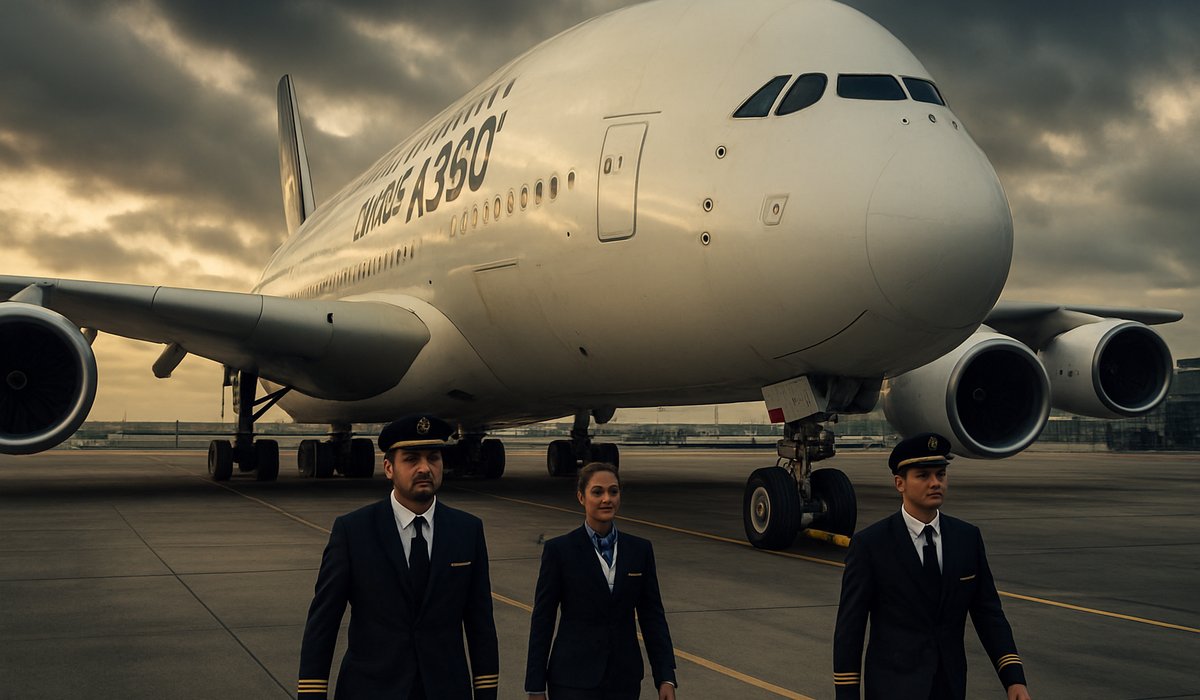
Image generated by AI
Retired Airbus A380s Become Aviation's Most Lucrative Spare-Parts Goldmine
As airlines cannibalize grounded superjumbos, a thriving aftermarket emerges from the industry's most expensive aircraft
The Unexpected Second Life of Aviation's Largest Passenger Jet
The Airbus A380, once destined for the aviation graveyard, has found an unlikely redemption: as a treasure trove of high-value components. What began as a pandemic-driven fleet retirement has transformed into a bustling secondary market, where dismantlers systematically harvest parts from stored superjumbos to supply airlines struggling with maintenance demands and supply-chain disruptions across the global aviation sector.
When COVID-19 forced mass fleet groundings in 2020, carriers worldwide rushed to retire the four-engine behemoth, dismissing it as commercially unviable—too resource-intensive, too fuel-hungry, and too massive for an aviation industry fundamentally reshaped by the crisis. Yet barely three years later, the narrative has shifted dramatically. Rather than disappearing entirely, A380s have become instrumental to network recovery, with major airlines strategically reactivating stored examples to meet surging long-haul passenger demand at flagship international hubs.
From Retirement to Recycling: A Lucrative Parts Market Emerges
This operational revival, however, masks a more profitable secondary trend: the systematic dismantling of permanently retired A380s for components. The superjumbo's enormous value as a spare-parts source has created unexpected economic incentives for aircraft recyclers and component specialists. Engines, hydraulic systems, avionics, and structural components stripped from dormant frames command premium prices in a market starved for certified, flight-tested hardware.
The aviation industry's supply-chain struggles—exacerbated by manufacturing bottlenecks, geopolitical tensions affecting raw materials, and rising jet fuel prices increasing operational pressures—have intensified competition for serviceable parts. Airlines operating A380s and other widebody aircraft require immediate access to replacements to minimize costly downtime, making the dismantling operations economically attractive for salvage specialists.
Industry Implications and the Broader Aviation Economy
The emergence of this parts market reflects deeper industry dynamics. Elevated fuel costs have pushed carriers toward operational efficiency, yet long-haul capacity remains essential for competitive advantage. The A380, once a symbol of aviation's excess, has thus become paradoxically valuable—both as an active asset for select carriers and as a component source for the broader fleet.
This trend signals a maturing approach to aircraft lifecycle management, where retirement need not mean complete obsolescence. For financially stressed carriers, access to A380 components offers cost-effective maintenance solutions without the burden of operating the full aircraft.
FAQ: Understanding the A380 Parts Market and Aviation Supply Chains
Why are retired Airbus A380s valuable for spare parts? The A380's massive size and complex systems mean individual components—engines, hydraulics, avionics—carry substantial resale value, especially as airlines face supply-chain shortages.
How has jet fuel pricing affected this trend? Rising fuel costs increase pressure on airlines to minimize downtime, making certified used components from dismantled A380s economically attractive alternatives to new parts.
Are airlines still operating A380s commercially? Yes, several carriers, including Emirates, have reactivated stored A380s to capitalize on strong long-haul demand and hub connectivity, ensuring a continuing market for compatible spare parts.
What other aircraft models face similar dismantling for parts? Older widebody jets, including Boeing 747s and Airbus A340s, similarly contribute to the certified-used parts market as operators retire inefficient long-haul fleets.
How does A380 parts availability impact airline maintenance costs? Access to A380 components reduces maintenance expenses for operators while extending the economic viability of related aircraft models already in service.
Related Travel Guides
Disclaimer
This article is for informational and educational purposes only. It does not constitute legal, financial, or professional advice. While we strive to provide accurate and up-to-date information, travel policies, regulations, and conditions change rapidly. Always verify information with official sources before making travel decisions. Nomad Lawyer makes no representations about the accuracy, reliability, completeness, or suitability of the information provided. Readers should consult qualified professionals for advice specific to their circumstances. The views expressed in this article are those of the author and do not necessarily reflect the views of Nomad Lawyer.
Preeti Gunjan
Contributor & Community Manager
A passionate traveller and community builder. Preeti helps grow the Nomad Lawyer community, fostering engagement and bringing the reader experience to life.
Learn more about our team →