
Garuda Indonesia Aircraft Trapped in Extended Holding Pattern Over Indian Ocean: What Went Wrong
Breaking airline news and aviation industry updates for 2026.

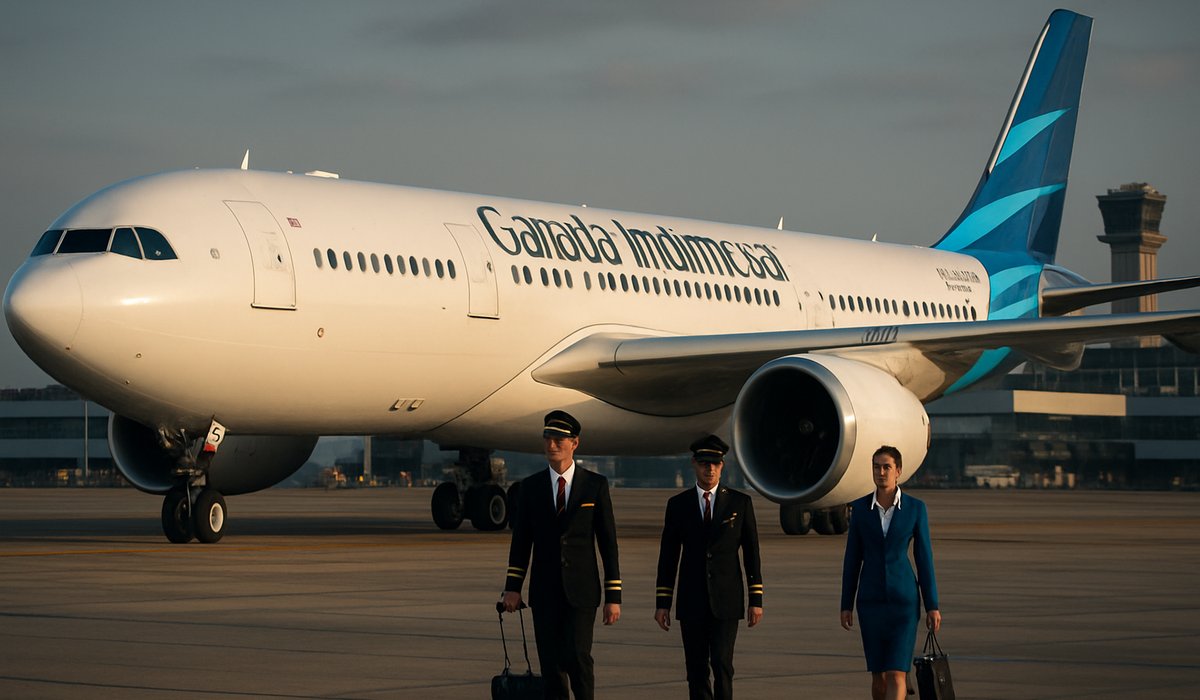
Image generated by AI
Garuda Indonesia Aircraft Trapped in Extended Holding Pattern Over Indian Ocean: What Went Wrong
A four-and-a-half-hour delay mid-flight exposes critical challenges facing modern aviation
Unprecedented Mid-Flight Delay Strands Airbus A330neo
On May 8th, passengers aboard a Garuda Indonesia Airbus A330-900neo experienced an extraordinary ordeal when their aircraft entered a prolonged holding pattern approximately halfway through its journey, effectively suspending forward progress for four and a half consecutive hours. The incident, which unfolded over the Indian Ocean, has reignited industry concerns about airspace congestion, airport capacity constraints, and the operational pressures facing major Asian carriers.
The wide-body aircraft, configured to carry hundreds of passengers across extended routes, was forced to circle in a designated holding pattern while awaiting clearance to proceed toward its final destination. The extended delay raises critical questions about air traffic management infrastructure in one of the world's busiest aviation corridors and the cascading effects of bottlenecks on flight schedules and passenger welfare.
Root Causes and System Pressures
While specific details regarding the underlying cause remain under investigation, extended mid-flight holding patterns typically result from several interconnected factors: severe weather systems affecting destination airports, congestion in terminal airspace, runway capacity limitations, or emergency situations requiring the clearance of landing slots.
The incident underscores mounting pressure on Asia-Pacific aviation infrastructure. As airline capacity continues expanding—driven by newer, fuel-efficient aircraft like the A330-900neo—regional airspace and ground facilities increasingly struggle to manage traffic density, particularly in high-traffic zones near major hubs.
Implications for Airlines and Passengers
Such occurrences carry substantial operational and financial consequences. Extended holding patterns dramatically increase fuel consumption, eroding airline profit margins already stressed by volatile jet fuel prices and competitive fare pressures. For passengers, the experience compounds fatigue, increases anxiety, and raises questions about airline accountability and passenger compensation protocols.
Garuda Indonesia, Southeast Asia's flag carrier, has faced mounting operational challenges as it navigates post-pandemic demand surges and infrastructure constraints. The A330-900neo, representing the airline's fleet modernization efforts, promises improved fuel efficiency and range—yet ground-based limitations can neutralize these technological advantages.
Looking Forward
The incident exemplifies broader vulnerabilities in global aviation systems. As airlines invest in newer, more capable aircraft to manage growth and sustainability goals, regulatory bodies and airport operators must simultaneously upgrade infrastructure to prevent capacity from becoming the bottleneck that negates technological progress.
Industry observers warn that without coordinated investment in air traffic management systems and airport expansion, similar incidents will become increasingly common across congested routes serving Asia's booming travel markets.
FAQ: Common Questions About Extended Flight Delays and Holding Patterns
What causes aircraft to enter holding patterns during flights? Holding patterns occur due to destination airport congestion, adverse weather, runway maintenance, or emergency situations requiring temporary airspace clearance.
Do passengers receive compensation for extended mid-flight delays? Compensation eligibility varies by jurisdiction and airline policy; EU regulations mandate specific compensation thresholds, while other regions have less stringent requirements.
How does holding pattern fuel consumption impact airline economics? Extended circling dramatically increases jet fuel burn rates, directly reducing profitability—a critical concern given volatile global fuel prices affecting aviation margins.
Which Asian airports face the most severe capacity constraints? Major hubs including Delhi, Bangkok, Manila, and Jakarta regularly experience congestion during peak travel periods, particularly affecting long-haul operations.
How are airlines adapting to infrastructure limitations? Carriers are investing in modern aircraft with better fuel efficiency and range while advocating for upgraded air traffic management systems and airport expansion projects.
Related Travel Guides
Disclaimer
This article is for informational and educational purposes only. It does not constitute legal, financial, or professional advice. While we strive to provide accurate and up-to-date information, travel policies, regulations, and conditions change rapidly. Always verify information with official sources before making travel decisions. Nomad Lawyer makes no representations about the accuracy, reliability, completeness, or suitability of the information provided. Readers should consult qualified professionals for advice specific to their circumstances. The views expressed in this article are those of the author and do not necessarily reflect the views of Nomad Lawyer.
Raushan Kumar
Founder & Lead Developer
Full-stack developer with 11+ years of experience and a passionate traveller. Raushan built Nomad Lawyer from the ground up with a vision to create the best travel and law experience on the web.
Learn more about our team →