
U-2 Dragon Lady Faces Retirement After Seven Decades of Cold War Surveillance Operations
Breaking airline news and aviation industry updates for 2026.

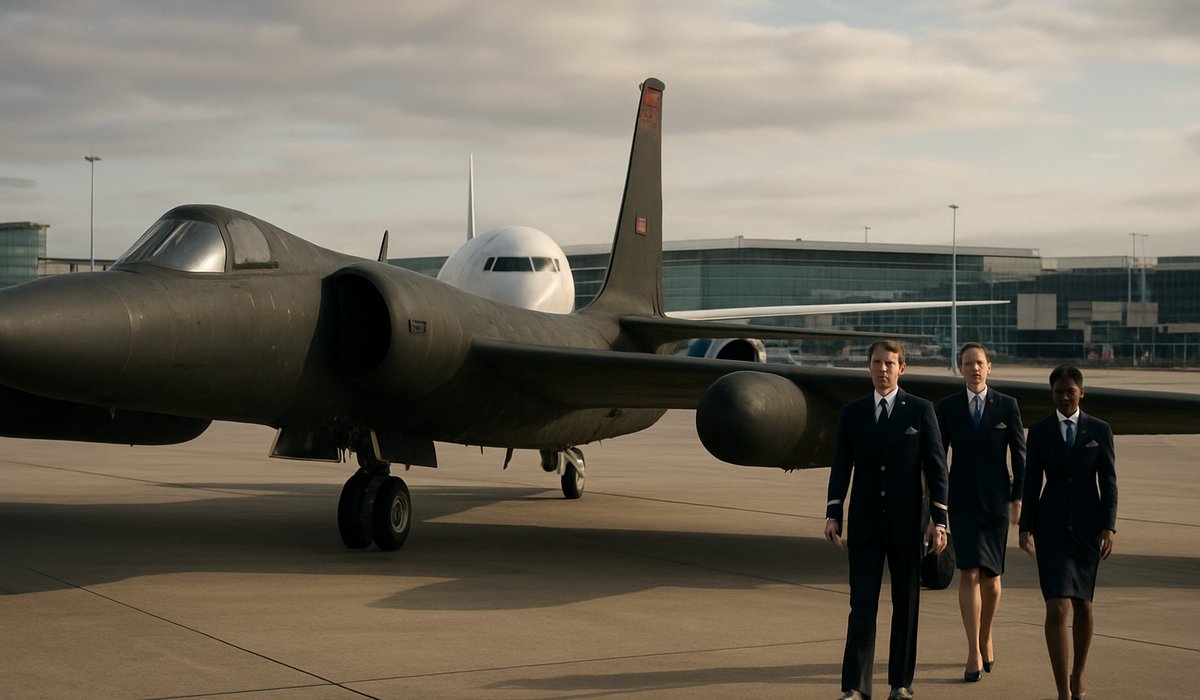
Image generated by AI
U-2 Dragon Lady Faces Retirement After Seven Decades of Cold War Surveillance Operations
The U.S. Air Force pushes to retire the legendary spy plane as military modernization efforts accelerate
Historic Spy Aircraft Set for Decommissioning
The United States Air Force is moving forward with plans to retire the iconic Lockheed Martin U-2 "Dragon Lady," marking a significant turning point in military aviation history. The high-altitude reconnaissance aircraft, which has conducted surveillance missions since the heights of Cold War tensions, now faces decommissioning as the Defense Department redirects resources toward next-generation defense systems.
The retirement initiative represents part of a broader Pentagon strategy to divest aging military platforms and reallocate substantial funding toward modernized aircraft capable of meeting contemporary security challenges. Alongside the U-2, the Fairchild Republic A-10 Thunderbolt II attack aircraft has also been targeted for phase-out, signaling a strategic shift in how the U.S. military structures its operational fleet.
Seven Decades of Uninterrupted Service
Since entering service during the tense Cold War era, the U-2 has remained a cornerstone of American intelligence-gathering operations. The aircraft's unmatched high-altitude surveillance capabilities have supported critical national security objectives across multiple decades and geopolitical climates. Its longevity in active service underscores both the durability of its design and the challenges faced by the Air Force in replacing such specialized reconnaissance platforms.
The timing of the retirement proposal reflects shifting military priorities. Contemporary threats now emphasize cyber warfare, unmanned systems, and advanced satellite technology—capabilities that defense planners argue render traditional manned high-altitude reconnaissance less essential than in previous operational contexts.
Modernization Priorities Drive Strategic Decisions
Air Force leadership has emphasized that retiring legacy systems directly enables accelerated investment in cutting-edge platforms designed for 21st-century defense requirements. Budget constraints and competing priorities across the Defense Department have made difficult procurement decisions necessary, pushing planners to evaluate which aircraft platforms best serve evolving national security interests.
The U-2's potential retirement also reflects broader industry trends toward unmanned reconnaissance systems and satellite-based intelligence collection methods, which offer operational advantages in terms of crew safety, mission endurance, and persistent surveillance capabilities.
Industry and Strategic Implications
The decommissioning of both the U-2 and A-10 would represent significant operational changes for Air Force squadrons currently operating these aircraft. Transition planning and pilot retraining requirements will likely consume substantial resources during any phased retirement process.
This strategic realignment demonstrates how even the most historically significant military aviation platforms eventually face obsolescence when newer technologies emerge. The decision underscores the relentless pace of military modernization and the ongoing tension between maintaining proven systems and investing in future capabilities.
Frequently Asked Questions
What is the U-2 Dragon Lady used for? The U-2 is a high-altitude reconnaissance aircraft designed for gathering intelligence and surveillance data from extreme altitudes, a role it has performed since the Cold War era began in the 1950s.
Why is the U.S. Air Force retiring the U-2? Budget reallocation priorities and the emergence of advanced unmanned systems and satellite technology have reduced the operational necessity for manned high-altitude reconnaissance platforms.
When will the U-2 be officially retired? While retirement plans are on the table, no specific decommissioning date has been officially announced. The process may extend over several years to allow for operational transitions.
What aircraft will replace the U-2's reconnaissance functions? The Air Force plans to transition surveillance missions to unmanned systems and enhanced satellite-based intelligence collection capabilities.
How long has the U-2 been in service? The U-2 has conducted operational missions for approximately seven decades, making it one of the longest-serving military aircraft platforms in U.S. history.
Related Travel Guides
Flight Delay Compensation Guide 2026
Understanding Airline Route Changes
Airport Security Process Updated (2026)
External Resources
Disclaimer
This article is for informational and educational purposes only. It does not constitute legal, financial, or professional advice. While we strive to provide accurate and up-to-date information, travel policies, regulations, and conditions change rapidly. Always verify information with official sources before making travel decisions. Nomad Lawyer makes no representations about the accuracy, reliability, completeness, or suitability of the information provided. Readers should consult qualified professionals for advice specific to their circumstances. The views expressed in this article are those of the author and do not necessarily reflect the views of Nomad Lawyer.
Raushan Kumar
Founder & Lead Developer
Full-stack developer with 11+ years of experience and a passionate traveller. Raushan built Nomad Lawyer from the ground up with a vision to create the best travel and law experience on the web.
Learn more about our team →