
Russian Aircraft Grounding: How a Mexican Airline's Bold Fleet Gamble Turned Into a $500M Disaster
Breaking airline news and aviation industry updates for 2026.

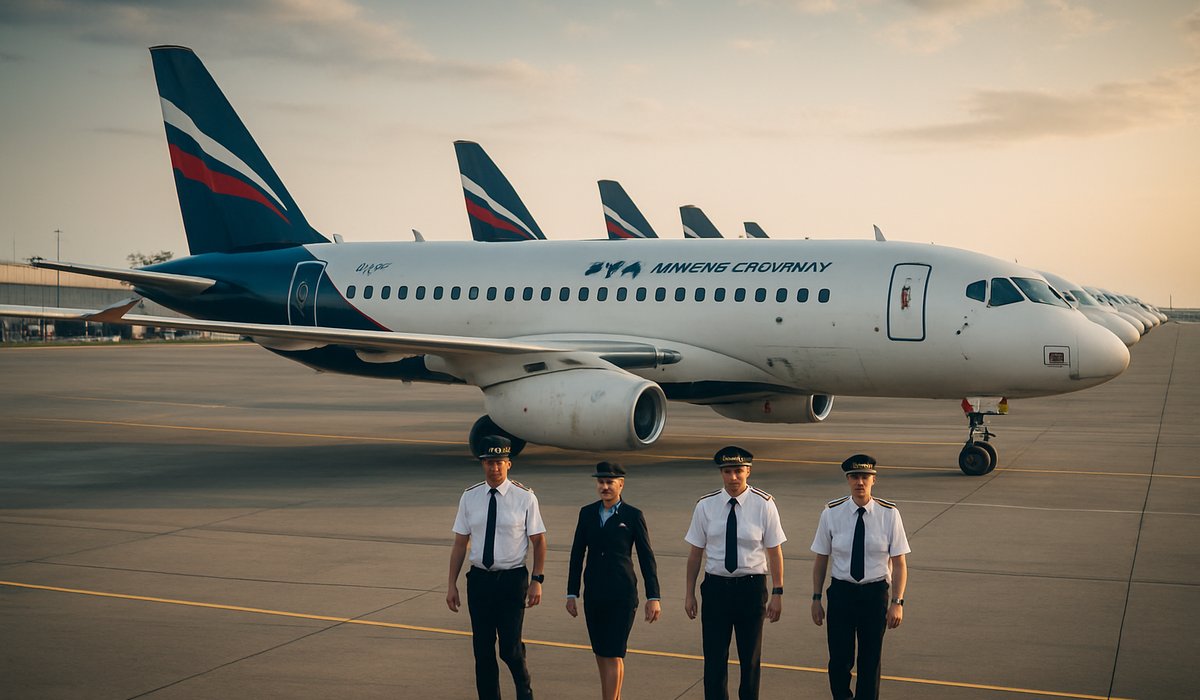
Image generated by AI
Russian Aircraft Grounding: How a Mexican Airline's Bold Fleet Gamble Turned Into a $500M Disaster
Twenty-two Sukhoi Superjet 100s remain stranded at Mexican airports, marking one of aviation's costliest strategic missteps
The Decision That Doomed Interjet
What appeared to be a financially prudent choice in 2011 has become one of the aviation industry's most cautionary tales. Mexico's once-dominant Interjet, which commanded third-place status among domestic carriers by passenger volume, opted to order 30 Sukhoi Superjet 100 regional jets—a decision that would ultimately accelerate the airline's structural collapse and leave two dozen aircraft abandoned at Mexican airports since 2020.
The carrier's logic seemed sound a decade ago. While competitors favored proven options from established manufacturers like Bombardier and Embraer, Interjet pursued a cost-advantaged alternative: Russian-built aircraft offering competitive pricing and attractive lease terms. However, this gamble on an unproven Russian airframe would prove catastrophic when geopolitical and operational realities converged.
The Unraveling
The Sukhoi Superjet 100 fleet became a mounting liability rather than an asset. Maintenance challenges, parts availability issues, and the aircraft's limited global recognition created operational headwinds that competitors with Western-built fleets never encountered. As fuel costs fluctuated and the aviation industry's competitive dynamics shifted, Interjet's regional strategy buckled under the weight of fleet inefficiency.
By 2020, as the COVID-19 pandemic ravaged global aviation demand, Interjet's financial position became untenable. The airline filed for bankruptcy in 2022, leaving behind 22 Sukhoi Superjet 100 aircraft gathering dust across Mexican airports—a visible symbol of strategic miscalculation in an industry where fleet decisions determine survival.
Broader Industry Implications
Interjet's collapse underscores a critical lesson for airline operators: equipment selection carries existential weight. The choice between lower upfront costs and long-term operational viability remains a defining tension in aviation economics. Rising jet fuel prices, supply chain vulnerabilities, and maintenance complexity have made aircraft-sourcing decisions more consequential than ever.
The stranded Russian jets also highlight geopolitical complexities in global aviation, where sanctions and diplomatic tensions can rapidly devalue aircraft assets—a concern that would intensify following 2022's Ukraine invasion.
FAQ
Why did Interjet choose Russian aircraft over Bombardier or Embraer? Sukhoi Superjet 100s offered lower acquisition costs and competitive lease rates, appearing financially advantageous in 2011 despite being an unproven regional platform.
What happened to the 22 grounded aircraft? Twenty-two of the 30 Sukhoi Superjet 100s remain inactive at Mexican airports following Interjet's 2022 bankruptcy, with unclear prospects for redeployment or sale.
How did aircraft choice contribute to Interjet's failure? Maintenance challenges, parts scarcity, and operational inefficiencies with the Russian fleet compounded difficulties as industry competition intensified and fuel costs rose.
Are Sukhoi Superjet 100s still in operation elsewhere? Yes, limited operations continue internationally, but the platform never achieved significant market penetration outside Russia, complicating asset recovery options.
What lessons has the aviation industry learned? Airlines now prioritize fleet commonality, manufacturer support networks, and long-term operational costs over short-term acquisition savings when selecting regional aircraft.
Related Travel Guides
External Resources
Disclaimer
This article is for informational and educational purposes only. It does not constitute legal, financial, or professional advice. While we strive to provide accurate and up-to-date information, travel policies, regulations, and conditions change rapidly. Always verify information with official sources before making travel decisions. Nomad Lawyer makes no representations about the accuracy, reliability, completeness, or suitability of the information provided. Readers should consult qualified professionals for advice specific to their circumstances. The views expressed in this article are those of the author and do not necessarily reflect the views of Nomad Lawyer.
Kunal K Choudhary
Co-Founder & Contributor
A passionate traveller and tech enthusiast. Kunal contributes to the vision and growth of Nomad Lawyer, bringing fresh perspectives and driving the community forward.
Learn more about our team →