
Boeing 757s Find New Life as Cargo Aircraft as Airlines Pivot Away from Aging Passenger Models
Breaking airline news and aviation industry updates for 2026.

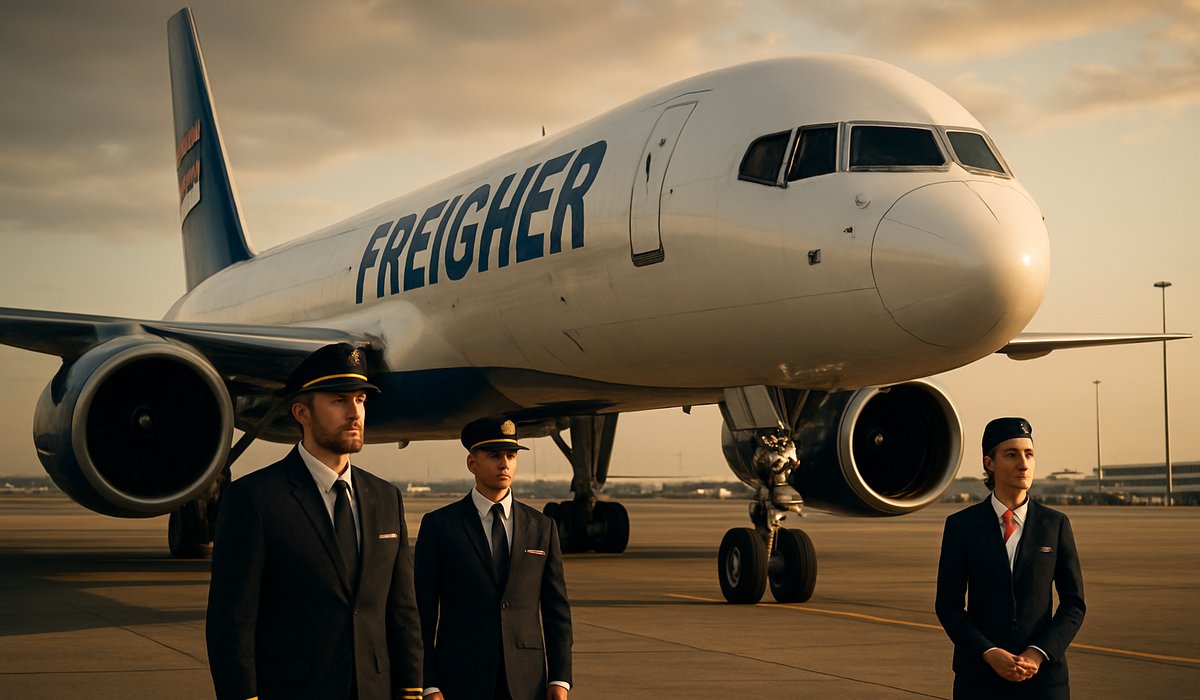
Image generated by AI
Boeing 757s Find New Life as Cargo Aircraft as Airlines Pivot Away from Aging Passenger Models
Carriers accelerate conversions to freight operations, extending aircraft lifecycles amid fleet modernization pressures
Aircraft Retirement Schedules Reshape Industry Economics
The commercial aviation sector is experiencing a fundamental realignment in how airlines manage aging aircraft fleets. Single-aisle jets, once considered workhorses of passenger operations, now face accelerated retirement from scheduled passenger routes as carriers deploy next-generation fuel-efficient models. However, rather than consigning these aircraft to scrapyards, major airlines are undertaking expensive conversion programs to transform them into dedicated cargo freighters—a strategic move that extends aircraft utility while capturing revenue from booming freight markets.
The Boeing 757, a narrow-body jet that has served the industry for decades, has become a prime candidate for this second-life conversion strategy. Airlines facing pressure to modernize their passenger fleets while managing climate commitments are discovering that retrofitting older airframes for cargo operations represents a financially viable alternative to complete retirement.
Economic Pressures Drive Conversion Economics
The decision to convert rather than retire reflects broader pressures reshaping airline economics. Operating costs, driven by volatile jet fuel prices and maintenance expenses, have made older passenger aircraft increasingly uncompetitive on traditional routes. Simultaneously, the post-pandemic surge in e-commerce and international freight demand has created unprecedented appetite for cargo capacity globally.
Carriers investing in 757 cargo conversions benefit from several factors: the aircraft's proven reliability record, substantial payload capacity, and the ability to access underutilized cargo markets on domestic and international routes. The conversion process itself—gutting passenger interiors and installing cargo handling systems—demands significant capital investment but generates returns through premium freight rates that currently exceed passenger ticket revenues on many routes.
Industry-Wide Implications
This trend reflects wider shifts in aviation's post-pandemic recovery. Airlines are simultaneously retiring fuel-guzzling older aircraft to reduce operating expenses and environmental impact, while identifying ways to maximize returns on existing assets before complete decommissioning. The conversion pathway creates a middle ground between immediate retirement and continued passenger service with aging, inefficient equipment.
The freight conversion market has become sufficiently robust that specialized aviation companies now manage these transformation projects, investing in conversion certifications and developing standardized retrofit procedures. This emerging supply chain suggests the sector anticipates sustained demand for converted freighters extending years into the future.
As airlines balance fleet modernization, environmental regulations, and economic pressures, the Boeing 757 conversion phenomenon exemplifies how the industry adapts legacy assets to changing market conditions rather than simply retiring them wholesale.
FAQ: Boeing 757 Conversions and Airline Fleet Strategy
Q: Why are airlines converting passenger aircraft into cargo planes? A: Airlines convert aging aircraft because cargo operations generate higher revenue per flight than passenger services in current market conditions, while extending the aircraft's operational lifespan and delaying expensive retirement costs.
Q: How does jet fuel pricing affect aircraft conversion decisions? A: Rising fuel costs make older, less-efficient passenger aircraft economically unviable for scheduled airline routes, making conversion to specialized freight operations—which command premium rates—a more profitable alternative.
Q: What is the typical cost of converting a 757 to cargo operations? A: Conversion costs vary but typically range from $5-15 million per aircraft, covering interior removal, cargo systems installation, and regulatory certification—investments recovered through increased freight revenue.
Q: How long can a converted 757 freighter continue operating? A: Modern cargo conversions can extend aircraft service life by 15-20 years, provided proper maintenance is performed and component lifecycles are managed according to aviation authority standards.
Q: Are other aircraft models undergoing similar conversion programs? A: Yes, airlines and conversion specialists are retrofitting various narrow-body and wide-body models, including the Airbus A320 family and older Boeing 767s, reflecting broader industry trends toward maximizing legacy aircraft utility.
Related Travel Guides
Flight Delay Compensation Guide 2026
Understanding Airline Route Changes
Airport Security Process Updated (2026)
External Resources
Disclaimer
This article is for informational and educational purposes only. It does not constitute legal, financial, or professional advice. While we strive to provide accurate and up-to-date information, travel policies, regulations, and conditions change rapidly. Always verify information with official sources before making travel decisions. Nomad Lawyer makes no representations about the accuracy, reliability, completeness, or suitability of the information provided. Readers should consult qualified professionals for advice specific to their circumstances. The views expressed in this article are those of the author and do not necessarily reflect the views of Nomad Lawyer.
Raushan Kumar
Founder & Lead Developer
Full-stack developer with 11+ years of experience and a passionate traveller. Raushan built Nomad Lawyer from the ground up with a vision to create the best travel and law experience on the web.
Learn more about our team →