
How Personal Injury Lawyers Evaluate Liability After Accidents
Learn how personal injury lawyers evaluate liability after accidents, from duty of care and comparative negligence to gathering crucial evidence and meeting deadlines.

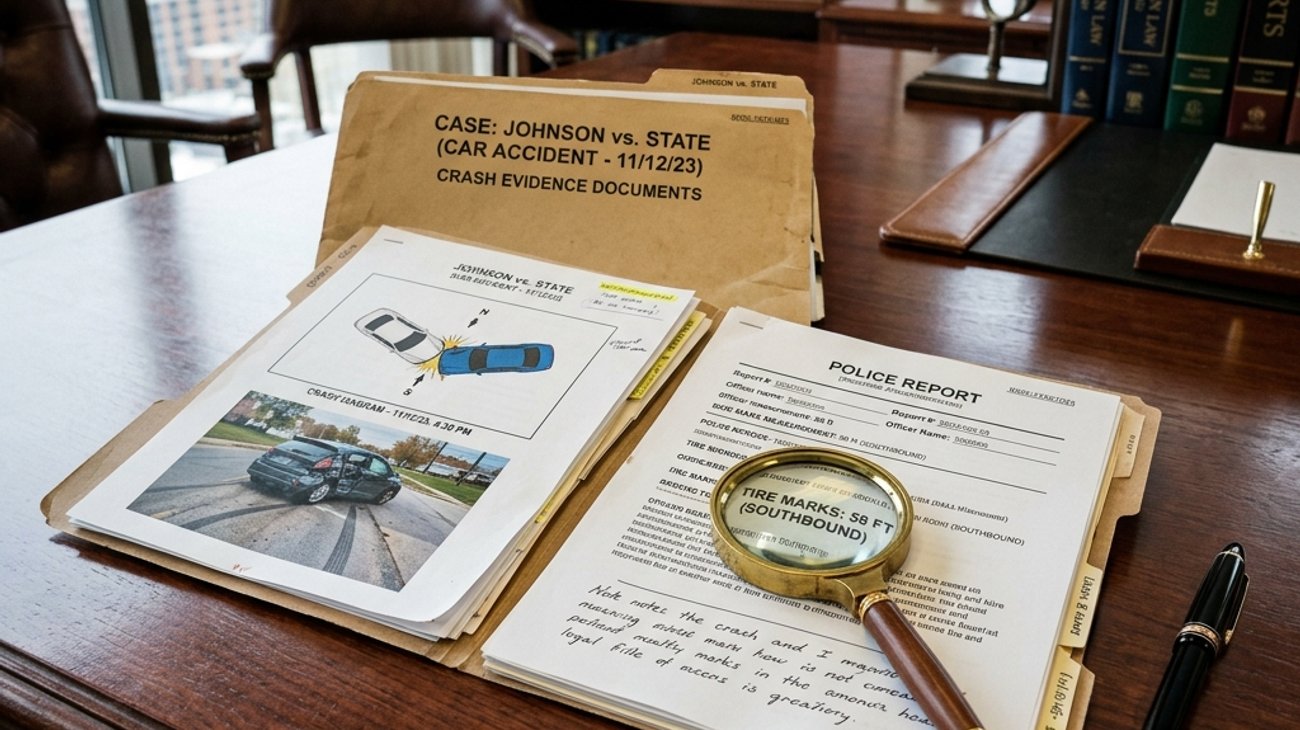
Image generated by AI
After a collision or fall, establishing legal liability requires clear, concrete evidence. Legal counsel examines traffic rules, property conditions, witness accounts, medical findings, and records created soon after the event. The central questions remain clear: Who owed a duty of care? Was that duty violated? Did the violation directly cause the injury? A careful legal review also evaluates shared fault, available insurance coverage, and statutory filing deadlines to help injured individuals make informed choices during settlement discussions or court proceedings.
An injured person may receive conflicting accounts while coping with pain, missed work, and unfamiliar paperwork. A knowledgeable Buffalo personal injury lawyer can review police materials, preserve useful records, and identify every party connected to the incident. Early legal analysis separates proven facts from speculation, addresses medical concerns, and helps prevent rushed decisions about releases, recorded statements, or settlement offers.
Establishing a Legal Duty of Care
Every liability claim begins with a duty recognized by law. Motorists must obey signals, maintain control, and respond appropriately to traffic, weather, and visibility. Property owners must address hazards they know about or should reasonably discover through routine inspections. Employers owe safety obligations to workers, while medical professionals must provide care that is consistent with accepted professional standards.
The applicable legal duty changes according to the nature of the accident and the specific relationship involved between the parties.
Identifying a Breach of Legal Duty
The next question concerns conduct: Did someone act less carefully than a reasonable person would have under similar circumstances? Texting during traffic, ignoring a stop sign, failing to maintain commercial brakes, or leaving a liquid spill unattended on a retail floor may support a finding of negligence.
Investigators examine citations, inspection logs, surveillance footage, photographs, and witness statements. A property condition also requires careful timing analysis, since an owner usually needs to have had a reasonable opportunity to discover and correct the hazard before liability attaches.
Connecting Conduct Directly to the Documented Injury
Proof of careless behavior does not by itself establish the legal right to compensation. The conduct must have directly caused a physical injury or measurable financial loss.
Attorneys compare collision impact details with examination notes, imaging results, physical therapy treatment plans, and prior health records. Delayed symptoms receive especially careful review because insurance adjusters frequently attribute them to pre-existing conditions. Medical expert opinions can explain whether trauma directly caused, aggravated, or accelerated a documented physical impairment.
Gathering Essential Physical and Digital Evidence
Claims often depend on evidence collected before conditions change. Photographs taken at the scene may capture vehicle positions, road surface conditions, lighting, or visible bruising. Cell phone records can establish communication activity near the time of a crash. Employment documents establish missed work shifts, reduced earnings, or modified light-duty assignments.
Counsel might seek surveillance video footage, commercial vehicle maintenance histories, electronic control module data, dispatch recordings, or formal incident reports. Because some electronic material is overwritten within days, prompt evidence preservation letters are critical.
Assessing Shared Fault and Comparative Negligence
Many states apply comparative negligence principles to injury claims. An injured claimant may recover financial compensation even when assigned a portion of the fault, although the final financial award is reduced by that specific percentage.
Reviewers assess vehicle speeds, driver attention, hazard warnings, protective equipment, and actions taken immediately following the incident. This analysis distinguishes actual contribution from hindsight bias, preparing the claimant for defense arguments designed to reduce an insurer's settlement proposal.
Reviewing Multiple Responsible Parties in Complex Claims
A commercial truck accident case may involve the truck operator, motor carrier, maintenance vendor, cargo loading facility, or parts manufacturer. Similarly, a construction site injury may involve an employer, general contractor, property owner, subcontractor, or equipment supplier.
Each entity relationship requires separate evidentiary proof. Insurance policies, indemnity contracts, and statutory reimbursement rights must also be examined, as coverage terms and limits vary significantly between parties.
Linking Legal Liability Directly to Financial Damages
A liability finding must connect directly to a specific financial demand. Medical treatment costs, rehabilitation expenses, lost income, property repairs, pain, and lasting physical limitations require supporting documentation.
Insurance adjusters may emphasize recorded statements, quick lowball settlement offers, or disputed medical care. Legal counsel reviews available coverage limits and policy exclusions before estimating full claim value. Each claimed amount must relate directly to medical bills, employment records, expert testimony, or qualified physician opinions.
Checking Deadlines and Statutory Filing Rules
Strict statutory time limits determine whether an otherwise valid claim can proceed. Personal injury statutes of limitations vary according to geographic jurisdiction, the identity of the defendant, the category of injury, and whether a public entity is involved.
Claims against a municipality or government agency often require a formal Notice of Claim within 60 to 90 days, while medical malpractice cases involve specialized pre-suit review panels. Missing a filing deadline permanently bars recovery, making early legal evaluation essential.
Protecting Your Rights Following an Injury Claim
Liability review requires disciplined attention to facts, statutory law, and objective medical evidence. Personal injury attorneys identify legal duties, examine alleged violations, connect conduct with harm, assess shared responsibility, and identify applicable insurance coverage.
Injured individuals can protect their legal position by preserving scene records, following medical treatment plans, and avoiding unsupported statements to insurance adjusters. A thorough legal evaluation provides each claim with a clear foundation, supporting informed decisions and improving the prospect of reaching a fair resolution under state law.
Frequently Asked Questions
What elements must be proven to establish liability in a personal injury case?
To establish liability, a plaintiff must prove four core elements: duty of care, breach of duty, causation (the breach directly caused the harm), and actual damages (quantifiable physical or financial loss).
How does comparative negligence affect a personal injury settlement?
Under comparative negligence rules, an injured party's financial compensation is reduced by their percentage of fault. In modified comparative fault states, recovery is completely barred if the claimant's fault reaches 50% or 51%.
Why is early legal investigation critical after an accident?
Early legal investigation allows counsel to issue spoliation letters that prevent surveillance video, commercial vehicle data logs, and electronic evidence from being overwritten or destroyed.
Related Travel Guides
Disclaimer
This article is for informational and educational purposes only. It does not constitute legal, financial, or professional advice. While we strive to provide accurate and up-to-date information, travel policies, regulations, and conditions change rapidly. Always verify information with official sources before making travel decisions. Nomad Lawyer makes no representations about the accuracy, reliability, completeness, or suitability of the information provided. Readers should consult qualified professionals for advice specific to their circumstances. The views expressed in this article are those of the author and do not necessarily reflect the views of Nomad Lawyer.
Naina Thakur
Contributor & Travel Specialist
Travel enthusiast and legal writer covering visa regulations, responsible tourism, and cultural journeys across global destinations.
Learn more about our team →