
Whistler Summer 2026: Mountain Biking, Glacier Tours, and Cultural Gems Beyond Winter Sports
Canada's largest ski resort transforms into a summer adventure hub with hiking trails, glacier helicopter tours, and world-class cultural institutions drawing record visitors.

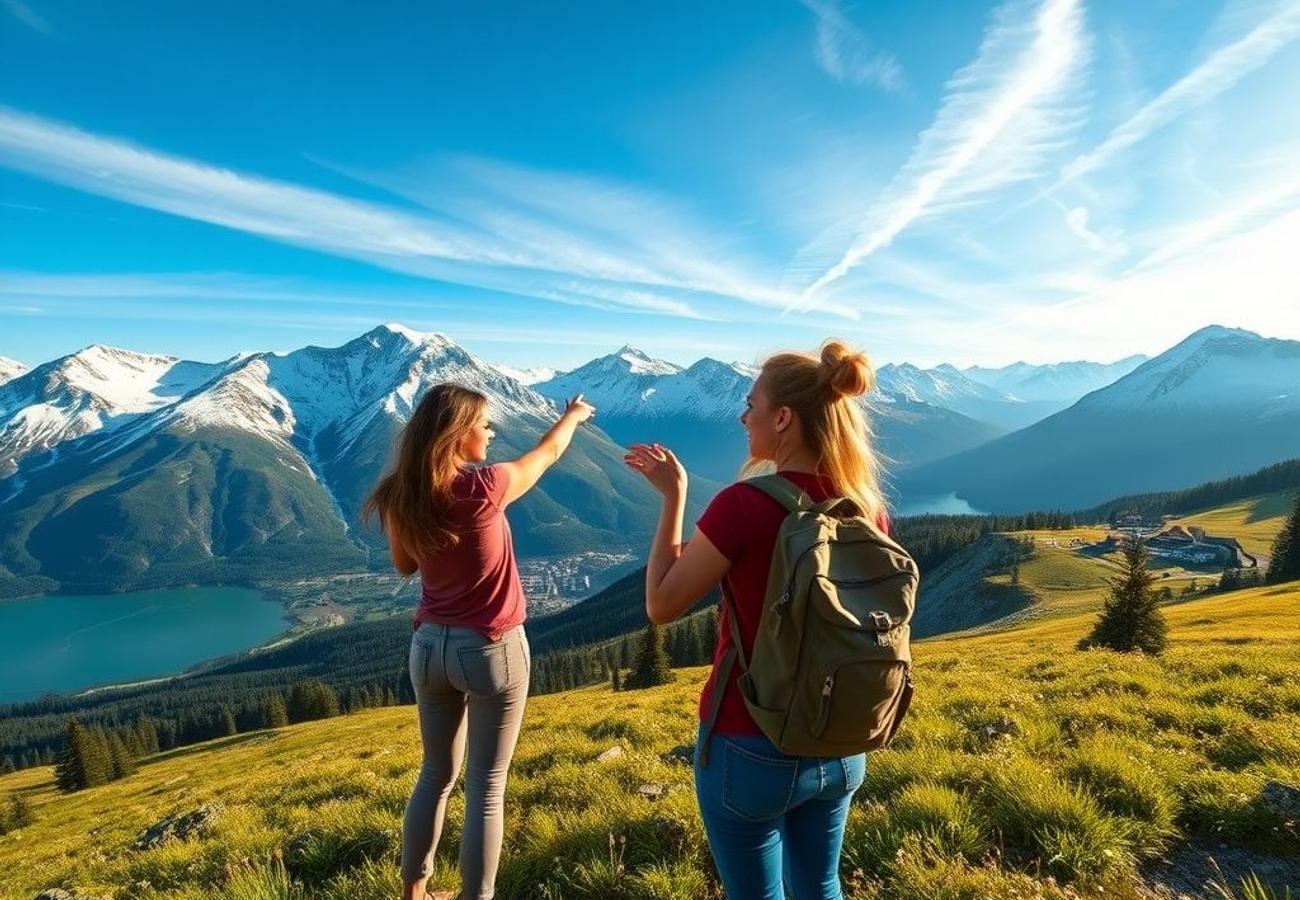
Image generated by AI
Whistler's Summer Renaissance: Why Winter's Premier Ski Resort is Now a Warm-Weather Playground
I've covered plenty of mountain destinations, but few undergo such a dramatic seasonal transformation as Whistler Blackcomb. Canada's largest ski resort — spanning two iconic mountains just two hours north of Vancouver — has quietly become one of British Columbia's premier summer destinations. Between May and August, when daytime temperatures hover around 28°C and daylight stretches late into the evening, this legendary winter sports hub reveals an entirely different personality.
The shift is unmistakable. Where winter brings powder chasers and snowboarders, summer now attracts a growing surge of hikers, mountain bikers, adventurers, and culture enthusiasts. And the numbers tell the story: Whistler's summer visitor traffic has been climbing steadily.
The question isn't whether you should visit Whistler in summer anymore — it's what to prioritize among the overwhelming menu of activities.
Indigenous Wisdom Meets Contemporary Art in Whistler Village
Before lacing your hiking boots, spend time in Whistler Village, the pedestrian-friendly hamlet nestled at the base of the mountains. This cultural epicenter rivals destinations three times its size.
The Squamish Lil'wat Cultural Centre is essential. Hourly tours led by Indigenous guides begin with a traditional welcome song performed on hand drums, immediately transporting you into the ancestral history of the two nations whose lands encompass Whistler. The experience strips away the resort veneer and grounds you in genuine Indigenous storytelling.
Reddit: "The Squamish Lil'wat Cultural Centre completely changed how I understood the area. The guides don't just present history—they live it." — r/travel
Next door, the Audain Art Museum houses a permanent collection of 300 works by British Columbia artists, including Emily Carr's bold landscape paintings and James Hart's towering red cedar carvings that seem to touch the sky. The museum's architecture alone merits a visit — it's a masterpiece of design.
The Whistler Museum tells the fascinating evolution of the town, from its origins as a 1930s fishing resort to its 1966 ski resort launch. And the award-winning Whistler Public Library — with its sustainability design and greenery-covered slanted roof — proves that even functional buildings can inspire.
Reaching New Heights: Gondolas, Helicopters, and Zip-Lines
The Peak 2 Peak Gondola (open May-September) is engineering theater. This unsupported cable system links the upper ridges of Blackcomb and Whistler Mountains in breathtaking spans, with glass-bottomed cabins suspended 415 metres above the forested valley floor. The sensation of floating over glacier-carved terrain is unmatched.
For an adrenaline spike, Blackcomb Helicopters whisks visitors to remote glacier summits. A 20-minute landing allows you to walk directly onto the ice-mottled surface, where meltwater streams flow toward sunlit turquoise lakes below. It's surreal.
Want the longest thrill? Ziptrek Ecotours operates Canada and the US's longest zip-line, launching brave visitors through temperate rainforest canopy that cloaks Whistler and Blackcomb's slopes. Your view rivals any helicopter tour — but you're soaring under your own momentum.
Hiking: From Alpine Scrambles to Suspended Bridges
Whistler's extensive trail network caters to every fitness level and ambition.
Garibaldi Lake is the standout — an 11-mile round-trip through Garibaldi Park that ascends forested slopes before emerging at a glacier-fed basin. The payoff is a pristine alpine lake ringed by jagged peaks. On clear days, the view alone justifies the effort.
For equally epic vistas, the six-mile Joffre Lakes path winds past three electric-blue mountain pools connected by cascading forest streams. Each waterfall marks a new elevation gain, each pool a new photo opportunity.
The quirky Whistler Train Wreck hike (1.2 miles) has become a local institution. This forest trail crosses a suspension bridge before reaching the site of a 1956 train derailment. The abandoned, overturned boxcars have transformed into an open-air gallery — local artists continuously add colorful graffiti, making it a living artwork.
For gentler exploration, the Lost Lake Trail (3.2-mile loop) winds through old-growth cedars to a man-made beach where locals paddle, swim, and relax with cold beverages.
Reddit: "Lost Lake at sunrise with zero crowds and perfect reflections of the mountains — this is why I return to Whistler every summer." — r/hiking
Mountain Biking: The Valley Trail and Top of the World
Summer transforms Whistler into a mountain biking mecca. The Top of the World alpine ride starts high on Whistler Mountain and delivers panoramic vistas of powder-white peaks unfolding toward clear horizons. It's technically demanding but photographically rewarding.
For less intense riding, the Valley Trail network at the mountains' base offers gravel paths linking forests, lakes, and wetlands. Early morning rides here mean occasional sightings of eagles soaring overhead.
The Cheakamus River area features quieter woodland trails cutting through major wildlife habitat. Black bears frequently appear during summer, feasting on native berries — a wildlife experience not to be missed (from a safe distance, naturally).
Function Junction — a laid-back neighborhood featuring breweries, coffee roasters, art galleries, and bike shops — serves as an ideal launch point for riders seeking alternatives to Whistler Village's commercial buzz.
Slow Down: Spas, Lakes, and Forest Bathing
Not every summer moment demands adrenaline. Scandinave Spa, inspired by Nordic bathing culture, alternates between thermal circuits of hot Finnish saunas, eucalyptus steam rooms, and cold plunges. Set in quiet woods beneath towering pines, it's therapeutic immersion.
The Fairmont Chateau Whistler's Vida Spa offers Ayurvedic-inspired treatments including sleep-promotion massage and botanical aromatherapy — designed to balance mind and spirit after exertion.
Alta Lake and Green Lake (named for its glittering emerald summer color) invite paddleboard and kayak rentals. Early morning sessions, when the air is still and mountains reflect on the water's surface, deliver meditative tranquility.
Planning Your Whistler Summer
Summer in Whistler operates on a completely different rhythm than winter. The cultural institutions, outdoor activities, and accessibility make it increasingly attractive to travelers seeking mountain experiences beyond skiing. Daytime highs around 28°C, extended daylight hours, and stable weather create ideal conditions for virtually every activity mentioned here.
The town's infrastructure — from bike shops to spa facilities to restaurants — ensures comfort between adventures. Whether you're a serious alpinist tackling Garibaldi Lake or a casual hiker exploring Lost Lake, Whistler in summer delivers.
Whistler transforms mountains into galleries and galleries into mountains.
Related Travel Guides
Disclaimer
This article is for informational and educational purposes only. It does not constitute legal, financial, or professional advice. While we strive to provide accurate and up-to-date information, travel policies, regulations, and conditions change rapidly. Always verify information with official sources before making travel decisions. Nomad Lawyer makes no representations about the accuracy, reliability, completeness, or suitability of the information provided. Readers should consult qualified professionals for advice specific to their circumstances. The views expressed in this article are those of the author and do not necessarily reflect the views of Nomad Lawyer.
Raushan Kumar
Founder & Lead Developer
Full-stack developer with 11+ years of experience and a passionate traveller. Raushan built Nomad Lawyer from the ground up with a vision to create the best travel and law experience on the web.
Learn more about our team →