
Mozambique Travel Africa: E-Visa Launch Opens Southeast Coast to 183 Countries
Mozambique launches digital E-visa access to 183 nations in 2026, positioning itself as Southeast Africa's premier luxury eco-tourism destination with pristine archipelagos, conservation-led wildlife, and authentic cultural experiences.

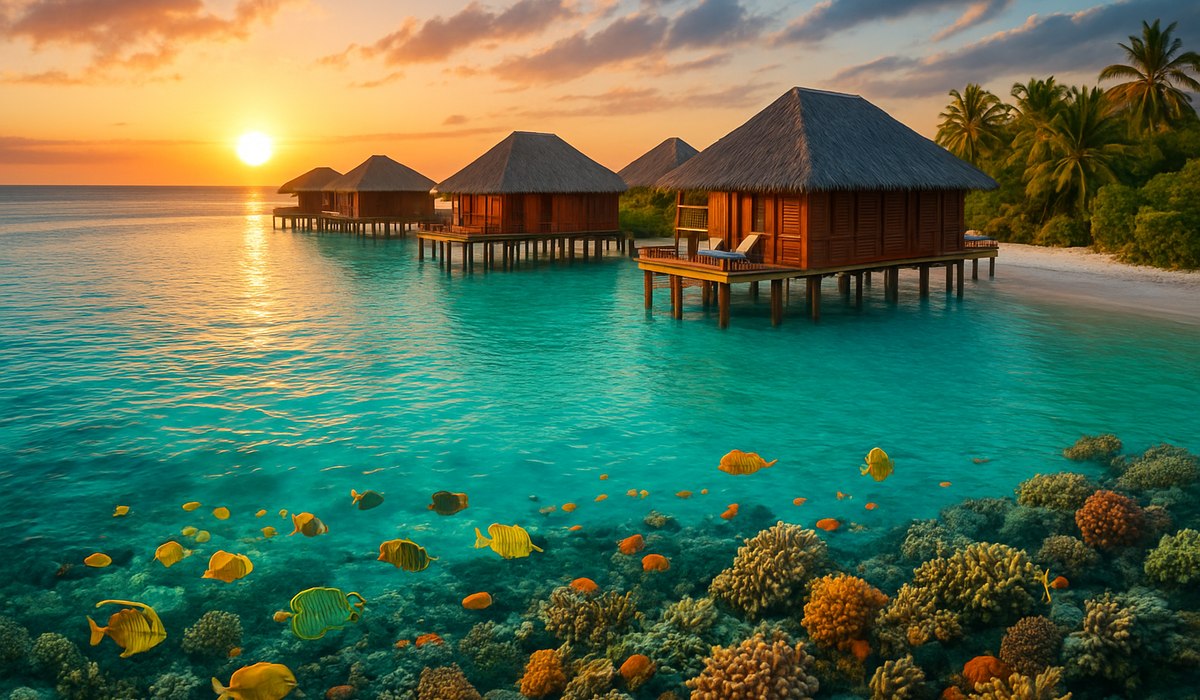
Image generated by AI
Mozambique Emerges as Southeast Africa's Digital-First Luxury Destination
Mozambique is rapidly establishing itself as Africa's southeast coast's most compelling travel destination, combining luxury island escapes with conservation-led wilderness experiences. The nation's landmark decision to launch digital E-visa access for 183 countries marks a pivotal moment in its tourism strategy, significantly simplifying entry for international travelers. This policy shift arrives as the destination gains recognition for its pristine archipelagos, world-class diving, and authentic cultural immersion. From the turquoise waters of the Bazaruto Archipelago to the remote Quirimbas Islands in the north, Mozambique travel Africa increasingly appeals to discerning travelers seeking depth, sustainability, and exclusivity.
Coastal Luxury: Bazaruto and Vilanculos Archipelagos
The Bazaruto Archipelago and Vilanculos represent the crown jewels of Mozambique travel Africa, featuring turquoise Indian Ocean waters and barefoot-luxury resorts that epitomize understated elegance. These island clusters attract travelers seeking refined escapes without excessive commercialization. The region excels in diving, snorkeling, and marine encounters—whale shark swimming occurs seasonally, while coral reefs teem with colorful fish species. Vilanculos town provides a charming coastal gateway with Portuguese colonial architecture, waterfront dining, and local markets. The Quirimbas Archipelago further north offers equally compelling experiences, with secluded island lodges, untouched coral formations, and strong Swahili-Arab cultural influences. Island hopping between these destinations allows visitors to experience varied marine ecosystems and preservation-focused hospitality models. For current reviews and booking options, consult TripAdvisor's Mozambique listings to compare accommodations and activities across these archipelagos.
Inland Wilderness: Conservation Areas and Wildlife
Beyond coastal splendor, Mozambique's interior landscapes showcase revitalized conservation areas and genuine eco-tourism opportunities. Gorongosa National Park stands as a flagship restoration project, welcoming visitors to witness elephant herds, lions, and diverse bird species across recovering savanna ecosystems. The remote Niassa Special Reserve, one of Africa's largest protected wilderness areas, delivers immersive safari experiences with minimal infrastructure, maximizing authenticity and minimal environmental footprint. Tofo Beach, famed for whale-watching expeditions, combines coastal charm with marine conservation. These inland destinations appeal to travelers prioritizing sustainability and meaningful community engagement. Conservation-led tourism models ensure visitor spending directly supports habitat protection and local employment. Wildlife viewing remains seasonal—peak periods occur during dry months when animal concentrations increase near water sources.
Cultural Authenticity and Experiential Travel
Maputo's vibrant cultural scene contrasts beautifully with rural village experiences, offering diverse engagement opportunities. The capital showcases contemporary African art galleries, live music venues, diverse restaurants, and colonial Portuguese architecture reflecting the nation's layered history. Coastal towns like Inhambane and Ponta do Ouro blend beach relaxation with cultural encounters—local markets, fishing villages, and artisan communities welcome visitor interaction. Northern regions, particularly around the Quirimbas, preserve strong Swahili heritage through architecture, cuisine, and traditional practices. Experiential travelers increasingly seek these immersive, community-based interactions, where earnings directly support local families. Cultural tourism operators facilitate homestays, craft workshops, and guided village walks. This authentic positioning directly addresses global travel trends prioritizing depth over superficial sightseeing.
Digital E-Visa Access and Travel Logistics
Mozambique's newly implemented digital E-visa system represents a transformative convenience factor for Mozambique travel Africa. Citizens of 183 countries may now apply online, reducing bureaucratic delays and enabling last-minute trip planning. The E-visa process typically takes three to five business days, with approval notifications sent via email. Applicants require valid passports, passport-sized photographs, and proof of accommodation or return flights. Processing fees are modest, typically under $50 USD. This modernized entry system particularly benefits travelers from India, China, and emerging markets—demographics showing growing interest in African eco-tourism experiences. Direct flight connections from major hubs remain limited; most international arrivals route through Johannesburg or Dar es Salaam. Check the official Mozambique Tourism Board website for current E-visa information and tourism resources.
Best Time to Visit Mozambique
Mozambique's climate divides into distinct seasons affecting travel quality. The dry season—May through October—offers optimal conditions with comfortable temperatures, clear skies, and minimal rainfall. Wildlife viewing peaks during these months as animals congregate near water sources. Diving conditions also improve with enhanced underwater visibility. June through August attract the most visitors, so book accommodations early. The wet season (November through April) brings lush green landscapes, migratory bird arrivals, and fewer tourists—appealing to budget-conscious travelers accepting occasional rain. Cyclone season (December through March) brings occasional storms, particularly February through March, potentially disrupting coastal activities. Whale-watching season concentrates between June and November, particularly visible from Tofo Beach. Plan trips around specific wildlife or cultural events for enhanced experiences.
How to Get There
International access to Mozambique typically involves connecting flights through regional hubs. Maputo International Airport (LLAM) handles most international arrivals, with direct connections from Johannesburg, Dar es Salaam, and select Middle Eastern hubs. From North America and Europe, budget eighteen to twenty-four hours total travel time including connections. Johannesburg to Maputo flights depart hourly, requiring one hour flight time. Alternatively, travelers visiting southern Africa may drive from South Africa or Botswana—road conditions on main routes are generally adequate, though hire cars with experienced drivers recommended. Domestic flights connect Maputo to coastal towns and northern islands efficiently. Boat transfers between islands operate regularly from Vilanculos town. Once in-country, hiring private drivers or booking organized tours ensures safe, efficient travel. Advance visa approval simplifies airport immigration procedures significantly.
Key Facts and Data
| Metric | Details |
|---|---|
| E-Visa Eligible Countries | 183 nations (as of 2026) |
| Processing Time | 3-5 business days |
| E-Visa Cost | Approximately $30-50 USD |
| Best Travel Season | May-October (dry season) |
| Primary Airport | Maputo International (LLAM) |
| UNESCO Sites | Island of Mozambique (Northern Heritage Site) |
| Protected Areas | Gorongosa National Park, Niassa Special Reserve, Bazaruto National Park |
| Peak Wildlife Viewing | June-November |
| Whale-Watching Season | June-November (Tofo Beach focus) |
| Major Island Destinations | Bazaruto Archipelago, Vilanculos, Quirimbas |
What This Means for Travelers
The convergence of simplified visa access, expanding luxury infrastructure, and authentic eco-tourism positioning creates exceptional value for 2026 travel planning:
-
Simplified Entry: The E-visa system eliminates traditional embassy visits and paperwork delays, enabling spontaneous trip planning previously impossible for most nationalities.
-
Emerging Market Value: Competitive pricing relative to established African destinations means luxury island experiences cost significantly less than Caribbean or Southeast Asian equivalents.
-
Conservation Impact: Choosing Mozambique travel Africa directly funds habitat restoration and community development through conservation-focused hospitality models.
-
Authentic Experiences: Limited infrastructure outside major towns ensures genuine cultural encounters remain feasible, unlike over-touristed African alternatives.
-
Diverse Itinerary Options: Combining beach relaxation, safari experiences, cultural imm
Disclaimer
This article is for informational and educational purposes only. It does not constitute legal, financial, or professional advice. While we strive to provide accurate and up-to-date information, travel policies, regulations, and conditions change rapidly. Always verify information with official sources before making travel decisions. Nomad Lawyer makes no representations about the accuracy, reliability, completeness, or suitability of the information provided. Readers should consult qualified professionals for advice specific to their circumstances. The views expressed in this article are those of the author and do not necessarily reflect the views of Nomad Lawyer.
Preeti Gunjan
Contributor & Community Manager
A passionate traveller and community builder. Preeti helps grow the Nomad Lawyer community, fostering engagement and bringing the reader experience to life.
Learn more about our team →