
US Air Force A-10 Warthogs Return to UK Base With Markings Revealing Covert Anti-Ship Operations
Breaking airline news and aviation industry updates for 2026.

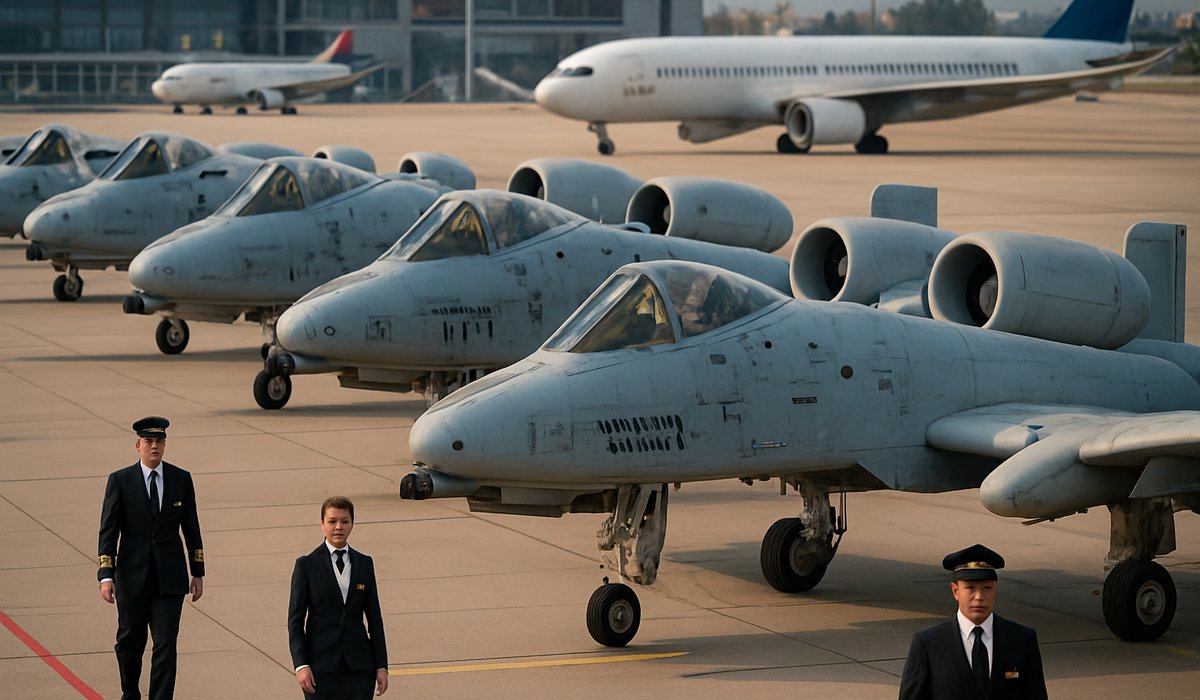
Image generated by AI
US Air Force A-10 Warthogs Return to UK Base With Markings Revealing Covert Anti-Ship Operations
Kill markings on fighter jets suggest expanded combat role beyond traditional ground attack missions
Military Aircraft Deploy to RAF Lakenheath Amid Regional Tensions
The Fairchild Republic A-10C Thunderbolt II, widely known as the "Warthog," has returned to RAF Lakenheath in the United Kingdom bearing visible evidence of an unconventional combat mission: the destruction of Iranian naval vessels. The 75th Expeditionary Fighter Generation Squadron's aircraft display fresh kill markings on their fuselages—a traditional military practice documenting successful combat engagements—indicating a significant operational shift for the venerable ground attack platform.
Warthog's Evolving Combat Role
The A-10C Thunderbolt II, long celebrated as the US Air Force's primary close-air-support asset for protecting ground troops, is undergoing a notable operational expansion. The appearance of naval-themed kill markings on these combat aircraft signals that the iconic jet fighter has been deployed for maritime interdiction operations—a departure from its conventional role targeting land-based threats.
The 75th Expeditionary Fighter Generation Squadron's return to the British air base comes during a period of heightened geopolitical tensions in the Middle East and surrounding waters. The visible documentation of anti-ship engagements on aircraft fuselages provides rare public confirmation of covert military operations conducted by US Armed Forces in contested maritime zones.
Strategic Implications for Air Combat Operations
The Warthog's deployment for anti-ship missions underscores the US military's strategic flexibility in adapting established platforms for emerging operational requirements. The A-10C, equipped with advanced targeting systems and powerful ordnance delivery capabilities, has demonstrated effectiveness beyond its original design parameters—traditionally focused on neutralizing ground-based armor and fortified positions.
The presence of these marked aircraft at RAF Lakenheath, a critical hub for American air operations in Europe, suggests sustained commitment to monitoring and responding to naval threats across critical international waterways. The base serves as a forward operating location for the US Air Force's European Command operations.
Operational Transparency and Military Documentation
The practice of displaying kill markings remains a storied tradition in military aviation, providing historical documentation of pilot accomplishments and unit combat effectiveness. The presence of such markings on returned aircraft typically indicates completed operational cycles and serves as a visible record of engagement success.
This rare glimpse into covert operations highlights the multifaceted role modern combat aircraft occupy in contemporary military strategy, where traditional platform classifications increasingly blur as operational needs evolve.
FAQ: A-10 Warthog Operations and Military Aviation
What is the A-10C Thunderbolt II used for? The A-10C Warthog is primarily designed for close-air support missions protecting ground forces, featuring a powerful 30mm cannon and advanced targeting systems for precision strikes against armored vehicles and fortified positions.
Why are kill markings displayed on military aircraft? Kill markings represent a historical military tradition documenting successful combat engagements. They serve as official records of pilot and unit accomplishments during operational deployments.
What does the presence of anti-ship markings indicate about US military strategy? The expanded use of ground-attack aircraft for maritime operations demonstrates how modern militaries adapt existing platforms to address emerging threats in contested regions.
Why is RAF Lakenheath significant for US Air Force operations? RAF Lakenheath serves as a critical forward operating base for American air operations across Europe and the Middle East, facilitating rapid response to regional security challenges.
How has the A-10 Warthog remained relevant since its Cold War origins? The A-10's continued operational deployment reflects its robust design, adaptability, and effectiveness across diverse combat scenarios—from traditional ground support to emerging maritime interdiction roles.
Related Travel Guides
-
JetBlue Flight B6781 Diverts to Norfolk International Airport During Boston to Richmond Route
-
United Narita Expansion: 737 MAX 8 Routes to Six Asian Cities in April 2026
External Resources
Disclaimer
This article is for informational and educational purposes only. It does not constitute legal, financial, or professional advice. While we strive to provide accurate and up-to-date information, travel policies, regulations, and conditions change rapidly. Always verify information with official sources before making travel decisions. Nomad Lawyer makes no representations about the accuracy, reliability, completeness, or suitability of the information provided. Readers should consult qualified professionals for advice specific to their circumstances. The views expressed in this article are those of the author and do not necessarily reflect the views of Nomad Lawyer.
Kunal K Choudhary
Co-Founder & Contributor
A passionate traveller and tech enthusiast. Kunal contributes to the vision and growth of Nomad Lawyer, bringing fresh perspectives and driving the community forward.
Learn more about our team →