
Qatar Airways, Philippine Airlines, Air Astana Restore Gulf Connectivity: Doha–Dubai Route Expansion Summer 2026
Qatar Airways adds fifth daily frequency to Doha–Dubai corridor while Philippine Airlines and Air Astana restore Middle East services, signaling strong aviation recovery.

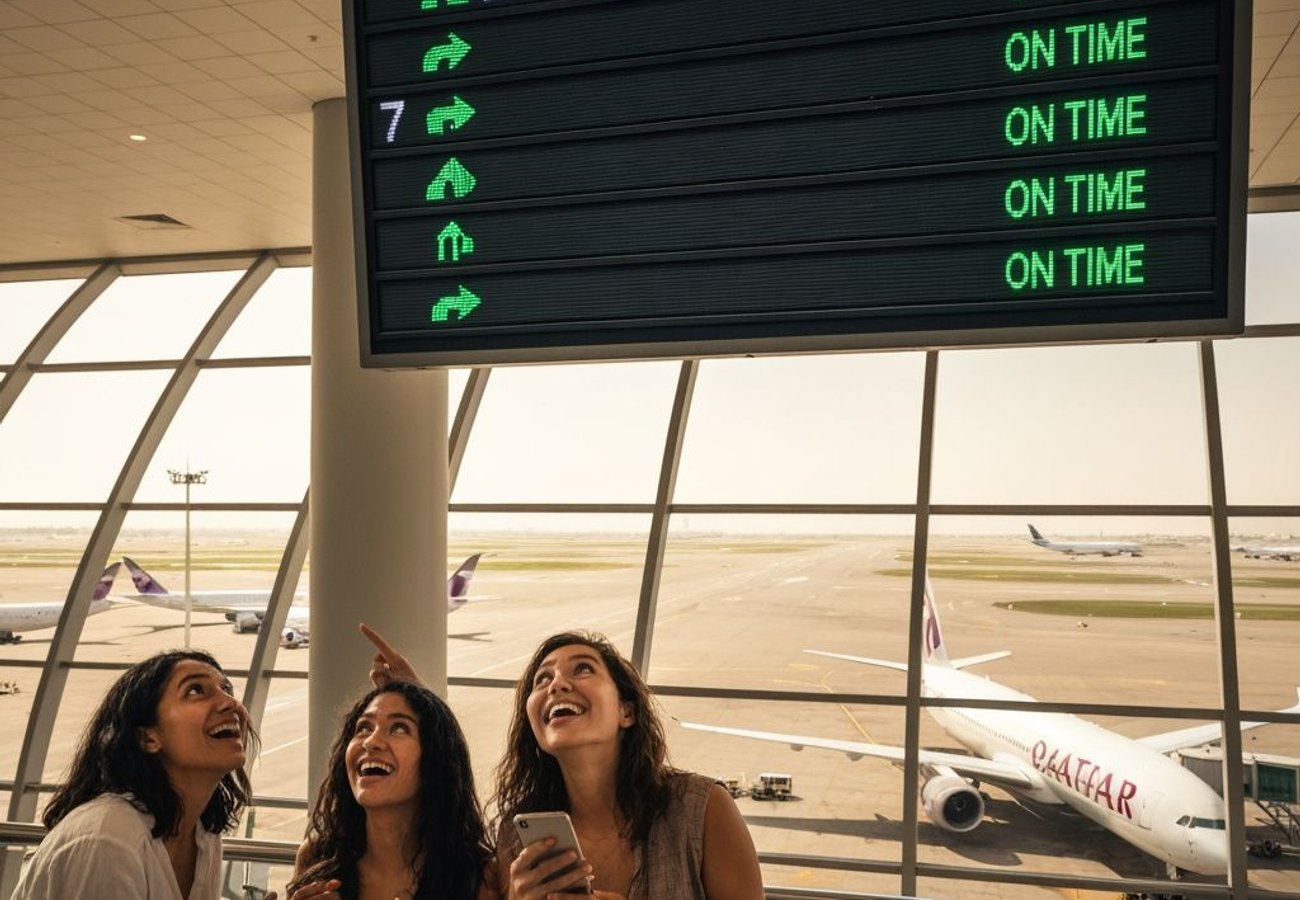
Image generated by AI
Gulf Aviation Bounces Back: Major Carriers Restore Middle East Connectivity
Qatar Airways, Philippine Airlines, and Air Astana are simultaneously expanding services across critical Middle East travel corridors this summer. The coordinated route restorations between Doha and Dubai—two of the world's busiest aviation hubs—underscore renewed confidence in regional travel markets after recent disruptions.
The momentum is unmistakable. Travelers are booking flights again. Airlines are adding capacity. Tourism stakeholders see opportunity.
Qatar Airways Scales Up Doha–Dubai Frequency to Five Daily Flights
The Doha–Dubai corridor sits at the heart of Gulf aviation infrastructure, connecting two economic powerhouses that together handle millions of international passengers annually.
Qatar Airways has already introduced a third daily frequency as of June 5, with a fourth launching on June 15. The carrier intends to restore a fifth daily service by mid-summer—a significant vote of confidence in demand recovery.
Reddit: "Five flights a day between Doha and Dubai? That's the kind of connectivity that makes actual travel planning possible instead of choosing between two departure times." — r/travel
For business travelers, this translates into flexible departure windows throughout the day. For international transit passengers connecting through Hamad International Airport to European, Asian, African, or American networks, additional frequencies mean shorter layovers and better schedule synchronization.
The shuttle-style frequency pattern mirrors successful corridor models seen in other major markets. More flights equals more network resilience and stronger hub performance.
Philippine Airlines Restarts Manila–Doha Direct Service on July 1
Philippine Airlines is returning to the Manila–Doha market after Middle East crisis-related suspensions forced service cancellations.
The carrier will resume operations with four weekly frequencies beginning July 1, 2026—a date that matters for several reasons:
The route serves Filipino workers, business travelers, and family visitors who depend on reliable access to Qatar's labor markets and commercial centers. Tourism demand from both directions remains substantial.
Direct connectivity between the Philippines and Qatar reduces travel complexity that previously forced passengers through secondary hubs. For leisure travelers considering Qatar's expanding tourism sector—which continues investing in hospitality, cultural attractions, and premium experiences—restored air service removes a major friction point in trip planning.
According to travel confidence indicators, route restorations typically signal airline expectations of sustained passenger demand recovery. Philippine Airlines' commitment to four weekly frequencies reflects confidence that booking levels will support the service.
Air Astana's Phased Dubai Restoration: Almaty (June 20), Astana (July 10)
Kazakhstan's Air Astana is taking a measured approach to Dubai route restoration, signaling careful demand management alongside capacity rebuild.
The timeline breaks down clearly:
- Almaty–Dubai: Resumption June 20
- Astana–Dubai: Resumption July 10
- Frequency increases: Progressive throughout summer
- Daily operations: Achieved from both Kazakh cities by August
This phased strategy allows the airline to monitor booking trends while gradually restoring network capacity. By August, Air Astana expects to operate daily flights from both Almaty and Astana to Dubai—the full pre-disruption service level.
For Central Asian travelers, Dubai remains essential infrastructure: leisure tourism hub, luxury retail destination, international business event center, and critical transit point for onward connections across Europe, Asia, Africa, and North America.
Why These Route Restorations Matter for Summer 2026 Travel
The simultaneous announcements from three major carriers—operating across different regions and market segments—point toward broader aviation system normalization.
Reddit: "When Air Astana and Philippine Airlines both add back Middle East service in the same month, that's the signal the whole region is healing." — r/airlines
The tourism implications are straightforward. Doha and Dubai serve travelers across multiple continents. Restored direct connectivity from the Philippines and Kazakhstan removes intermediary hops that previously complicated itineraries. More frequent Doha–Dubai connections strengthen both cities' positions as international aviation hubs capable of handling complex routing patterns.
For hospitality providers, the restoration signals pent-up travel demand. Airport ground handlers will need to increase staffing. Hotel booking systems across the Gulf are likely monitoring airline schedule announcements closely—more flights typically correlate with higher room occupancy rates within 30–60 days.
Business Travel and Labor Mobility Benefit from Restored Connectivity
Beyond tourism, these route restorations unlock business travel corridors that were previously constrained.
The Manila–Doha restoration specifically addresses labor market dynamics. Substantial Filipino expatriate populations depend on reliable air access to Qatar for employment, family support, and periodic return visits. When airlines suspend direct service, relocation becomes administratively complex. Restoration creates immediate economic benefits for individual workers and broader labor market stability.
Corporate travelers gain similar advantages. Companies operating across the Gulf, Philippines, Central Asia, and broader Asia-Pacific regions benefit from improved scheduling flexibility and reduced connection complexity. According to airline industry research, business travel recovery typically leads leisure travel recovery—restored professional connectivity is often the market's leading indicator.
Summer Season Capacity Recovery Across Three Carriers
What distinguishes these announcements is their scale and simultaneity. Qatar Airways isn't adding one flight—it's building toward five daily frequencies. Philippine Airlines isn't testing the market with seasonal service—it's committing four weekly flights. Air Astana isn't delaying restoration until fall—it's moving forward progressively through summer.
Collectively, these carriers are adding hundreds of weekly seats across the Doha–Dubai–Manila–Almaty–Astana network during the peak Northern Hemisphere vacation season. That's meaningful capacity injection into markets that experienced severe disruption.
For tourism authorities in Qatar and the UAE, route restoration announcements generate immediate marketing momentum. They signal destination stability to potential visitors and create legitimate business justifications for corporate travel approvals.
The Broader Regional Aviation Signal
The Gulf region—encompassing Doha, Dubai, and surrounding markets—remains critical to global aviation networks. These hubs connect travelers across Africa, Europe, Asia, and beyond.
When major carriers simultaneously restore capacity across multiple routes, the signal extends beyond individual markets. It suggests systemic confidence in regional stability and passenger demand recovery. Airlines don't add frequencies without booking data supporting the decision.
The summer 2026 schedule changes therefore indicate that aviation planners across Qatar Airways, Philippine Airlines, and Air Astana are seeing genuine demand signals—not projections, but actual booking trends suggesting travelers are ready to return to these routes.
Connectivity recovers when confidence returns—and these three carriers just bet their summer capacity on it.
Related Travel Guides
Disclaimer
This article is for informational and educational purposes only. It does not constitute legal, financial, or professional advice. While we strive to provide accurate and up-to-date information, travel policies, regulations, and conditions change rapidly. Always verify information with official sources before making travel decisions. Nomad Lawyer makes no representations about the accuracy, reliability, completeness, or suitability of the information provided. Readers should consult qualified professionals for advice specific to their circumstances. The views expressed in this article are those of the author and do not necessarily reflect the views of Nomad Lawyer.
Kunal K Choudhary
Co-Founder & Contributor
A passionate traveller and tech enthusiast. Kunal contributes to the vision and growth of Nomad Lawyer, bringing fresh perspectives and driving the community forward.
Learn more about our team →