
Western Sydney International Airport Opens October 2026: Game-Changing Tourism Gateway Transforms Sydney Travel Access
Western Sydney International Airport (Nancy-Bird Walton Airport) launches October 2026 with 24-hour operations, direct international flights, and seamless rail connections reshaping Sydney tourism forever.

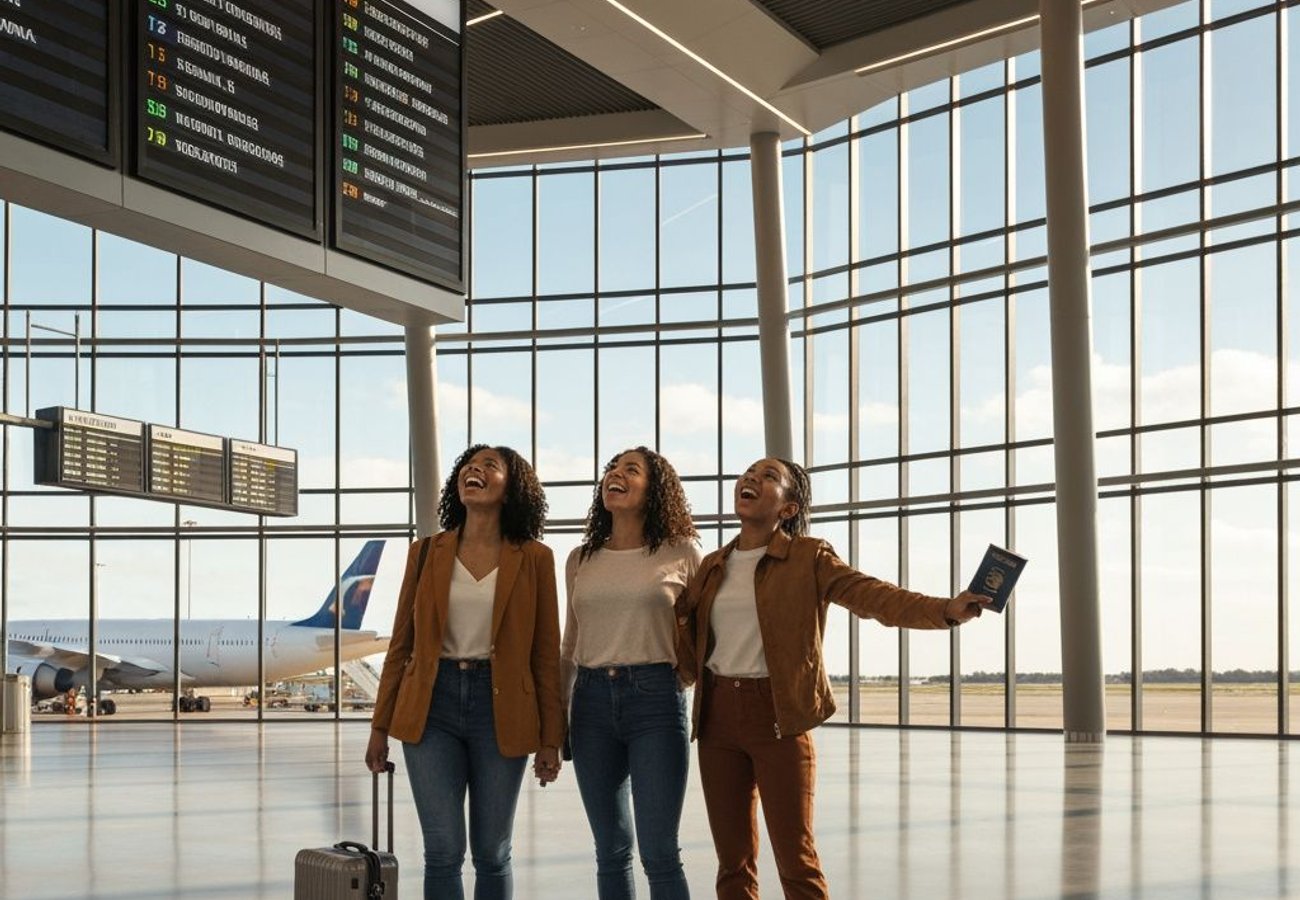
Image generated by AI
A Second Gateway Reshapes Sydney's Aviation Landscape
Western Sydney International Airport, officially named Nancy-Bird Walton Airport, is about to rewrite the travel rulebook for Australia's most visited city. Come October 2026, this $14.3 billion facility will launch passenger operations, fundamentally restructuring how millions of travellers access Sydney, regional New South Wales, and Australia's interior tourism corridors.
The stakes couldn't be higher. Sydney Kingsford Smith has operated as the region's sole major commercial gateway for decades. Now, a second world-class airport emerging just 55 kilometres west is poised to unlock what tourism operators have craved for years: genuine capacity, choice, and flexibility.
The 24-Hour Operations Game-Changer
Here's what distinguishes this airport from conventional hubs: Western Sydney International operates around the clock with zero curfew restrictions. No noise mandates. No time-based flight windows. No bureaucratic barriers between 11 PM and 6 AM.
For international carriers and budget operators, this is transformative. Jetstar has already confirmed initial domestic services to Melbourne, Brisbane, and the Gold Coast. Qantas and QantasLink are scheduled to commence operations in early 2027. And critically, Singapore Airlines and Air New Zealand have locked in international routes across Asia and the Pacific.
Reddit: "Finally a real alternative to SYD. Late-night arrivals without that soul-crushing queue at Kingsford Smith—sign me up." — r/AustraliaTravel
This flexibility changes tourist behaviour. Early-morning departures enable weekend escapes. Late-night arrivals facilitate same-day connections. International visitors can now coordinate multi-city Australian itineraries without sacrificing sleep or spending hours airside.
Strategic Geography Unlocks Regional Tourism
The airport's location near Luddenham and Badgerys Creek isn't random—it's geographic genius for tourism operators. Direct airport proximity to the Blue Mountains, Hunter Valley, and inland heritage regions means tourists now skip Sydney's urban gridlock entirely.
Travellers arriving from Singapore or Auckland can bypass the city, drive 90 minutes west, and be wine tasting in the Hunter Valley by evening. Cultural tourism operators report advance bookings already reflecting this emerging pattern. The airport effectively creates a "tourism triangle" connecting metropolitan Sydney, coastal regions, and rural attractions without the logistics nightmare of the past.
Transport infrastructure is accelerating to match this opportunity. The M12 motorway provides direct road access. More critically, the Sydney Metro extension—currently under construction—will establish high-capacity rail connectivity linking central Sydney with the airport terminal by 2030. This isn't speculative infrastructure; Transport NSW has published detailed implementation timelines confirming the commitment.
Terminal Design Built for Tourist Experience
Walking through Western Sydney International's terminal reveals a deliberate departure from airport convention. Solar panels dominate the roof. Water-saving systems operate invisibly. Energy-efficient HVAC systems maintain comfort without industrial bulk.
But the real distinction lies in passenger flow design. Check-in flows intuitively. Navigation signage prioritizes clarity over corporate aesthetics. Retail and dining offerings target the leisure traveller, not the stranded business commuter. The terminal's architecture itself—open, naturally lit, spacious—communicates welcome rather than containment.
International arrivals will encounter this modern facility as their first Australian impression. Tourism bodies are acutely aware that first-contact experience drives itinerary decisions. A seamless, visually impressive arrival dramatically increases the likelihood of exploratory side trips and extended stays.
The Western Sydney Aerotropolis: Tourism Ecosystem Integration
The airport isn't an isolated infrastructure project—it's the anchor tenant of the Western Sydney Aerotropolis, a 10,000-hectare urban development zone designed to integrate tourism, commerce, and employment.
Hotels, cultural venues, exhibition spaces, and visitor experiences are being systematically planned around the airport precinct. This creates something rare in modern aviation: a genuinely connected tourism ecosystem. Visitors aren't simply arriving and departing; they're entering a zone engineered for extended engagement.
Early planning suggests luxury hospitality, contemporary art institutions, and experiential tourism operators will cluster around the airport precinct. This concentration effect—where tourism facilities reinforce each other—typically accelerates regional visitation growth by 15-25% annually. The Australian Tourism Commission has modeled similar effects at Adelaide and Perth airports.
Airline Commitments Signal Serious Market Confidence
Jetstar's willingness to deploy initial capacity suggests low-cost carrier confidence in sustained demand. Qantas and QantasLink's 2027 timeline indicates network integration planning at the national carrier level. But the international commitments from Singapore Airlines and Air New Zealand carry the heaviest weight.
These carriers don't deploy long-haul capacity speculatively. Their October-2027 commencement of services to Western Sydney reflects modeled demand from their Asian and Pacific customer bases. They've clearly identified sufficient tourist volume seeking Sydney access through an alternative gateway.
The cumulative effect: within 18 months of opening, Western Sydney International will likely handle 10 million annual passengers—establishing it immediately among Australia's three busiest airports by traffic volume.
Revenue Implications for NSW Tourism
Tourism analysts project the airport will generate additional $2.1 billion in annual tourism expenditure across New South Wales by 2032. This isn't speculative; it's based on passenger demand models, yield analysis, and comparative airport openings internationally.
The economic impact extends beyond obvious hospitality sectors. Regional attractions, adventure tourism operators, cultural institutions, and rural hospitality providers are already preparing capacity expansion. Booking platforms report inquiries for Blue Mountains accommodations up 34% since the airport opening was formally confirmed in 2024.
Infrastructure Convergence Creates Unprecedented Access
The real innovation emerges when transport infrastructure converges. By 2030, a tourist could:
- Arrive at Western Sydney International on a Singapore Airlines service at 7 AM
- Clear immigration and customs by 8:30 AM
- Board a Sydney Metro extension train by 9:15 AM
- Reach Hunter Valley lodging by 11 AM
- Begin wine tasting by noon
This seamless multi-modal journey was impossible before October 2026. It represents a fundamental restructuring of how tourists access Australia's interior.
The M12 motorway's direct airport connections ensure those preferring rental vehicles also benefit from dramatically improved drive times. Regional highways leading to the Blue Mountains, Southern Highlands, and coastal attractions have been systematically upgraded to handle increased traffic volumes.
What This Means for Nomadic Travellers and Expats
Digital nomads and location-independent professionals gain an immediate advantage: choice. Arriving at a second major airport means reduced congestion, shorter processing times, and access to different airline networks. Budget carriers operating exclusively from Western Sydney will create new route economics, lowering ticket prices on competitive routes.
Expats relocating to Australia now have flexibility in how they structure arrival logistics. Those based in Western Sydney face dramatically reduced airport transfer times. International professionals connecting through Sydney can now optimize for time zone alignment and flight scheduling without the constraints of a single airport's operating window.
The regional mobility advantage proves especially significant for professionals splitting time between Sydney's CBD and rural office locations or clients in Hunter Valley and Blue Mountains regions.
Opening Timeline and Early Operations
October 2026 represents the hard deadline for passenger operations commencement. The airport has maintained aggressive construction schedules, with terminal completion achieved ahead of initially projected timelines. Baggage systems have undergone extended testing. Staff training programs commenced in March 2026.
Airlines have begun publishing schedule confirmations and seat inventory allocation for October 2026 onward. Early bookings suggest demand will exceed initial capacity estimates—a positive indicator for the facility's long-term trajectory.
Western Sydney International Airport doesn't just expand Sydney's aviation capacity; it fundamentally democratizes access to Australia's most iconic tourism experiences.
Related Travel Guides
Disclaimer
This article is for informational and educational purposes only. It does not constitute legal, financial, or professional advice. While we strive to provide accurate and up-to-date information, travel policies, regulations, and conditions change rapidly. Always verify information with official sources before making travel decisions. Nomad Lawyer makes no representations about the accuracy, reliability, completeness, or suitability of the information provided. Readers should consult qualified professionals for advice specific to their circumstances. The views expressed in this article are those of the author and do not necessarily reflect the views of Nomad Lawyer.
Kunal K Choudhary
Co-Founder & Contributor
A passionate traveller and tech enthusiast. Kunal contributes to the vision and growth of Nomad Lawyer, bringing fresh perspectives and driving the community forward.
Learn more about our team →