
West Asia Tourism Redrawn in 2026 as Level 4 Do Not Travel Warnings Impact Iran Iraq Lebanon Syria Yemen and Palestine
Strict Level 4 travel advisories and airspace disruptions are reshaping tourism across West Asia, specifically affecting travel to Iran, Iraq, Lebanon, Syria, Yemen, and Palestine in 2026.

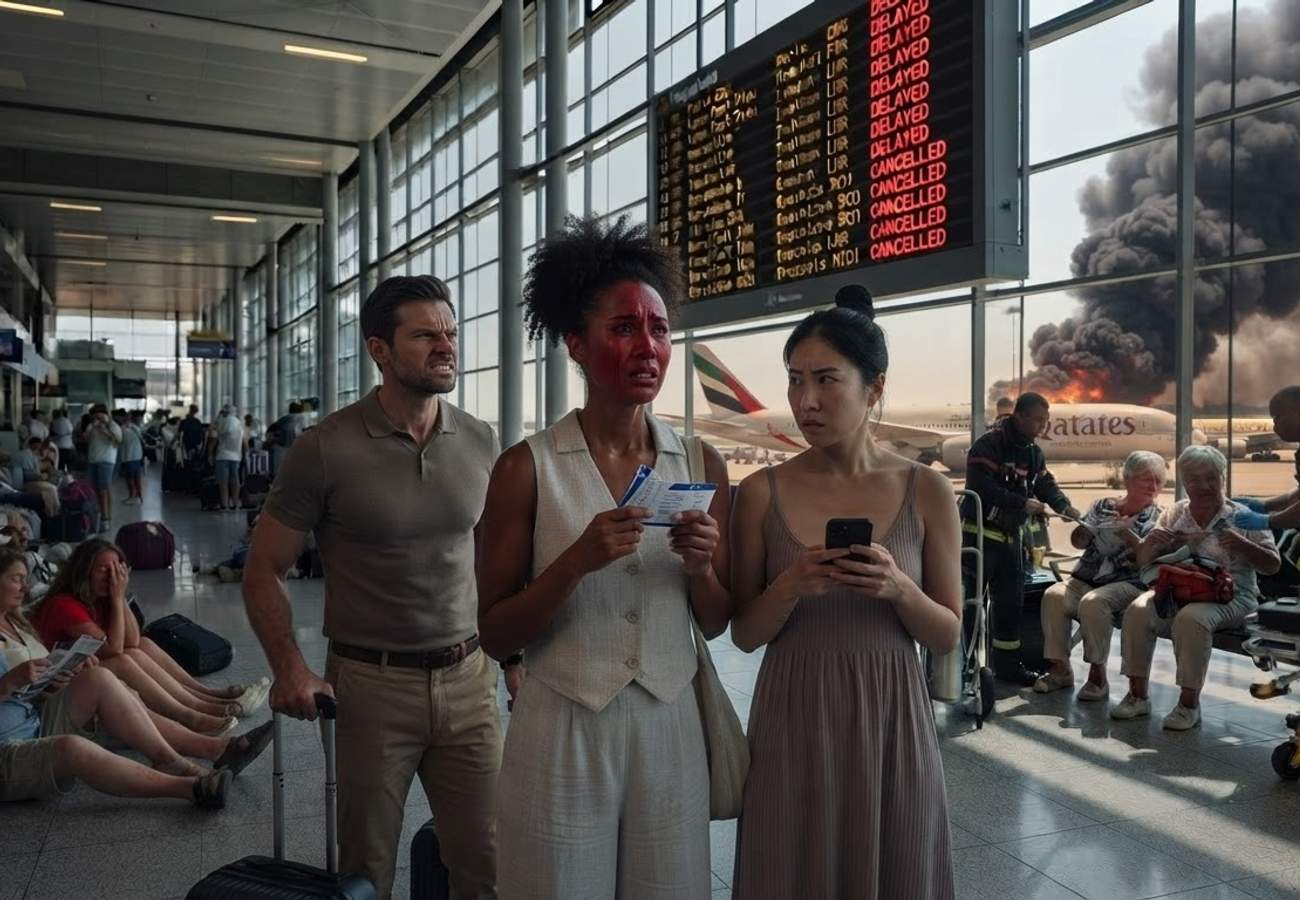
Image generated by AI
Severe security risks and escalating military tensions have triggered the highest level of travel warnings across six West Asian nations, fundamentally altering regional flight paths and tourism accessibility in 2026.
The Local Trend Revealed
The tourism map of West Asia is undergoing a drastic reconfiguration. A strict Level 4 “Do Not Travel” advisory is currently in effect for Iran, Iraq, Lebanon, Syria, Yemen, and Palestine. Unlike lower-tier warnings, a Level 4 designation is the most severe alert issued by global authorities, signaling that citizens should avoid all travel to these destinations due to extreme safety risks.
This shift is driven by a combination of armed conflict, missile exchanges, drone activity, and civil unrest. The impact extends beyond the borders of these six nations; the instability has created a ripple effect across the aviation sector. International carriers are frequently rerouting flights to avoid restricted airspace, leading to unpredictable schedules and sudden cancellations. For the modern traveler, the region has shifted from a destination of cultural exploration to a high-risk zone where consular assistance and travel insurance validity are under significant strain.
Cultural and Environmental Value
Despite the current restrictions, these six regions hold some of the world's most critical cultural and historical assets. From the ancient streets of Tehran and the historic landmarks of Baghdad to the waterfronts of Beirut and the oldest inhabited cities in Syria, the regional heritage is immense.
The current trend toward "safe-haven tourism" has shifted visitor traffic toward more stable neighbors. This redistribution of tourism is supporting the economies of the Gulf states, where sustainable luxury and heritage sites—such as AlUla in Saudi Arabia—are seeing increased investment. By diverting traffic to these stable hubs, regional tourism bodies are focusing on high-capacity infrastructure that can handle the overflow from the restricted zones while waiting for security conditions to stabilize in the Levant and Mesopotamia.
Regional Destination Data
For those monitoring the status of these hubs, the following table outlines the primary infrastructure and landmarks currently affected by the Level 4 advisories.
| Destination | Primary Airport | Key Landmarks | Notable Accommodations |
|---|---|---|---|
| Tehran, Iran | Imam Khomeini Intl (45km from center) | Golestan Palace, Milad Tower | Espinas Palace Hotel, Parsian Azadi |
| Baghdad, Iraq | Baghdad International (16km from center) | Al-Mutanabbi Street, Iraqi National Museum | Babylon Rotana, Baghdad Hotel |
| Beirut, Lebanon | Beirut-Rafic Hariri Intl (9km from center) | Beirut Corniche, Zaitunay Bay | Phoenicia Beirut, Radisson Blu Martinez |
| Damascus, Syria | Damascus International (30km from center) | Umayyad Mosque, Old City | Local Heritage Inns |
| Sana’a, Yemen | Sana’a International (15km from center) | Old City of Sana’a, Bab al-Yemen | Local Guesthouses |
| Palestine | Various Entry Points | Jerusalem & West Bank sites | Local Boutique Hotels |
Visitor Insider Tips
For travelers currently navigating the wider Middle East or planning future trips to the region, these practical insights are essential:
- Transit Hub Strategy: If you are connecting through Dubai, Doha, Abu Dhabi, Amman, or Istanbul, check your flight status every four hours. Airspace restrictions in West Asia can change in minutes, leading to sudden rerouting.
- Insurance Verification: Standard travel insurance often becomes void the moment a government issues a Level 4 warning. Read the "War and Terrorism" clauses in your policy to see if you are covered for cancellations.
- Alternative Cultural Immersions: If you were seeking the ancient architecture of Damascus or Baghdad, consider AlUla in Saudi Arabia or the museums of Muscat, Oman. These provide a similar historical depth with active, stable tourism infrastructure.
- Embassy Registration: If you are a citizen of a country with a diplomatic presence in the region, use the "Smart Traveler Enrollment Program" (STEP) or equivalent to receive real-time security alerts.
- Local Dining Note: In the safer Gulf alternatives, look for "Majlis" style dining to experience authentic regional hospitality and community-focused eating.
Tourism Outlook
The long-term impact on West Asian tourism is a move toward extreme volatility. While the cultural allure of these six nations remains high, the operational challenges—ranging from suspended cruise itineraries to avoided air corridors—suggest that a full recovery of international tourism will depend entirely on diplomatic resolutions. In the interim, the "Safe Hub" model (UAE, Qatar, Oman) will likely dominate the region's economic landscape, acting as the primary gateway for those wishing to experience Middle Eastern culture without the risks associated with Level 4 zones.
Stay informed and prioritize safety over curiosity when navigating high-alert regions.
Related Travel Guides
Disclaimer
This article is for informational and educational purposes only. It does not constitute legal, financial, or professional advice. While we strive to provide accurate and up-to-date information, travel policies, regulations, and conditions change rapidly. Always verify information with official sources before making travel decisions. Nomad Lawyer makes no representations about the accuracy, reliability, completeness, or suitability of the information provided. Readers should consult qualified professionals for advice specific to their circumstances. The views expressed in this article are those of the author and do not necessarily reflect the views of Nomad Lawyer.
Raushan Kumar
Founder & Lead Developer
Full-stack developer with 11+ years of experience and a passionate traveller. Raushan built Nomad Lawyer from the ground up with a vision to create the best travel and law experience on the web.
Learn more about our team →