
Kuwait City Tourism Outlook 2026 Amid Missile Interceptions and Border Post Attacks in West Asia
Kuwait City faces a complex tourism landscape in 2026 as regional security tensions and drone strikes on energy infrastructure impact travel advisories across the Gulf.

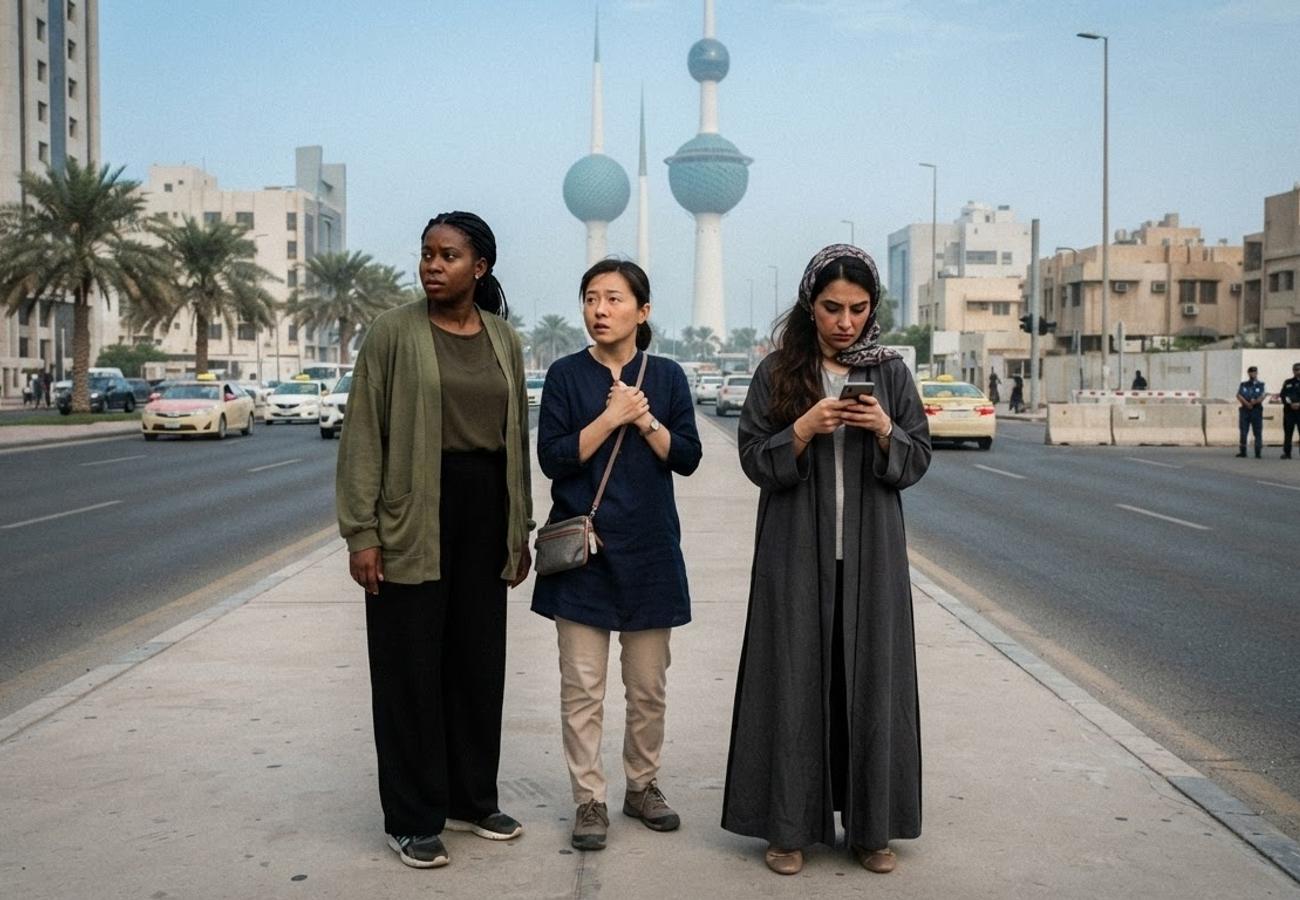
Image generated by AI
Kuwait City is currently navigating a volatile security environment as regional escalations bring the nation into the global travel spotlight alongside Amman, Doha, and Manama.
The Local Trend Revealed
The tourism and business travel dynamic in Kuwait is currently defined by a state of high operational readiness. Recent events have shifted the narrative from standard Gulf transit to a heightened security footing. The Kuwaiti Ministry of Defence has confirmed that three northern land border posts were attacked, and a hostile drone struck an offshore drilling platform operated by the Kuwait Oil Company. This specific strike resulted in material damage and left one worker injured.
Simultaneously, Kuwait’s air defence systems have been active in intercepting missiles and drones. While the country is not a mass-market leisure destination in the vein of Dubai, it serves as a critical node for corporate travel, diplomatic conferences, and regional transit. Currently, the "trend" for visitors is one of extreme vigilance; while the city's commercial heart continues to beat, the periphery is under heavy military surveillance.
Cultural & Environmental Value
Despite the geopolitical friction, Kuwait City remains a bastion of Gulf heritage and modern architecture. The resilience of its tourism infrastructure—from the iconic Kuwait Towers to the traditional Souq Al-Mubarakiya—demonstrates a commitment to maintaining cultural openness.
Supporting the local economy during this period is vital. By visiting local artisans at the souqs or engaging with the Sheikh Jaber Al Ahmad Cultural Centre, travellers provide direct economic support to the community during a time of regional instability. Furthermore, the focus on protecting offshore energy infrastructure highlights the critical link between environmental safety and national security in the Gulf's oil-dependent economy.
Visitor Insider Tips
For those navigating Kuwait City in 2026, standard tourist maps are insufficient. You need a strategy based on current security realities.
- Off-Peak Movement: Avoid travel during late-night hours near the northern borders or coastal energy zones. Stick to the city centre and established commercial districts.
- Cultural Etiquette: In times of national tension, avoid photographing military installations, government buildings, or security checkpoints. This is strictly enforced and can lead to immediate detention.
- Dining Specialties: Visit Souq Al-Mubarakiya for authentic Machboos (spiced rice and meat), which remains a staple of local hospitality.
- Hidden Gem: The Scientific Centre offers a quieter, educational respite from the city's tension and is a great way to understand the Gulf's marine biodiversity.
- Transport Reality: With no passenger railway, rely on licensed taxis or ride-sharing apps. Always confirm your destination with the driver to ensure you aren't entering a restricted zone.
Regional Security Data Reference
| Incident/Metric | Detail | Impact |
|---|---|---|
| Northern Border Posts | 3 locations attacked | Material damage sustained |
| Energy Infrastructure | Kuwait Oil Company platform | Drone strike; 1 worker injured |
| Air Defence Status | Active Interceptions | Ongoing missile/drone threats |
| US Travel Advisory | Level 3 | "Reconsider Travel" status |
| Airport Status | Kuwait International | Operational with enhanced security |
Tourism Outlook
The long-term impact on West Asia tourism depends heavily on the stabilization of the corridor between Iran and the United States. In the immediate term, Kuwait is likely to see a dip in short-term leisure visits but a steady flow of "essential" business travel.
The reliance on flexible travel insurance and real-time airline notifications will become the norm for the 2026 season. As long as Kuwait International Airport remains open and the city's core infrastructure—such as the Avenues Mall and major hotel chains like the Four Seasons and Jumeirah Messilah Beach—continues to operate, the destination will maintain its viability as a regional hub, albeit under a cloud of increased vigilance.
Travelers are urged to prioritize official government mandates over anecdotal reports when planning Gulf itineraries.
Related Travel Guides
Disclaimer
This article is for informational and educational purposes only. It does not constitute legal, financial, or professional advice. While we strive to provide accurate and up-to-date information, travel policies, regulations, and conditions change rapidly. Always verify information with official sources before making travel decisions. Nomad Lawyer makes no representations about the accuracy, reliability, completeness, or suitability of the information provided. Readers should consult qualified professionals for advice specific to their circumstances. The views expressed in this article are those of the author and do not necessarily reflect the views of Nomad Lawyer.
Raushan Kumar
Founder & Lead Developer
Full-stack developer with 11+ years of experience and a passionate traveller. Raushan built Nomad Lawyer from the ground up with a vision to create the best travel and law experience on the web.
Learn more about our team →