
Tourism West Asia Hotels Hit Single-Digit Occupancy as Crisis Deepens
West Asia hotels report occupancy rates below 5% in March 2026 as escalating conflict triggers the region's worst tourism crisis, threatening industry recovery.

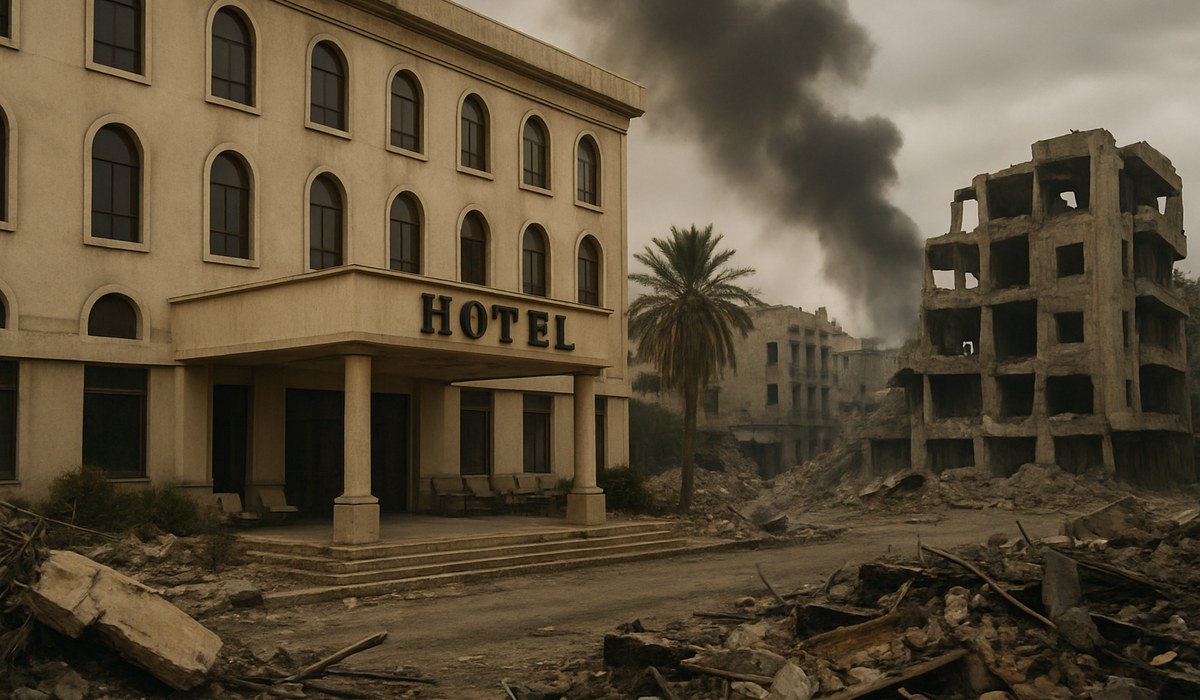
Image generated by AI
**> Quick Summary
- West Asian hotels now operate with occupancy rates between 3-7%, marking the sector's steepest decline on record
- Luxury properties in Dubai, Doha, and Abu Dhabi report 90% revenue losses compared to first quarter 2025
- Major international chains have suspended new openings and scaled back operations across six countries
- Industry analysts project minimum 18-month recovery period contingent on conflict de-escalation**
Hotels across West Asia stand virtually empty this March as the region's intensifying military conflict sends the hospitality industry into unprecedented collapse. Properties from Beirut to Dubai report single-digit occupancy rates—some dipping below 5%—as international travellers cancel bookings en masse and airlines slash routes. The crisis represents the sharpest tourism contraction the sector has witnessed since modern hospitality infrastructure transformed the region three decades ago.
Regional tourism authorities confirm booking cancellations now exceed 87% of pre-crisis levels. Major hotel groups operating across the Gulf Cooperation Council states, Jordan, and Lebanon face mounting financial pressure as operational costs far outpace skeletal revenue streams. Industry insiders describe the situation as more severe than disruptions caused by the 2020 pandemic or previous regional tensions.
Occupancy Rates Hit Historic Lows Across West Asia
Hotel performance metrics paint a grim picture for West Asia's once-thriving hospitality sector. According to STR's global hotel performance data, average occupancy rates across the region's primary tourism destinations fell to just 6.2% during the third week of March 2026—down from 78.4% during the same period in 2025. This represents the lowest occupancy measurement STR has recorded for the region since initiating comprehensive Middle Eastern market tracking in 1998.
Dubai, which welcomed 17.15 million overnight visitors in 2025, now sees its vast hotel inventory operating at roughly 4% capacity. The emirate's luxury segment suffers particularly acute distress. Several five-star properties along Sheikh Zayed Road have temporarily closed entire floors to reduce operational expenses while maintaining minimal skeleton staffing for the handful of guests still present.
Doha's hospitality market faces similar devastation despite having invested billions in infrastructure expansion following the 2022 FIFA World Cup. The Qatar Tourism Authority reported occupancy rates of 3.8% across monitored properties for the week ending March 21, 2026. Many hotels that opened specifically to capitalize on sustained post-event tourism momentum now question their long-term viability.
Beirut's hotels, already struggling from years of economic instability, report occupancy barely reaching 2%. Several historic properties dating back to the city's golden tourism era have ceased operations entirely, with ownership groups citing force majeure clauses to exit management contracts.
Even Amman and Abu Dhabi—cities typically insulated from regional volatility—document occupancy figures hovering between 7-9%. This marks a catastrophic reversal for markets that had projected double-digit growth throughout 2026.
Financial Impact: Hotels Bleed Revenue as Cancellations Mount
The revenue hemorrhage affecting West Asian hotels extends far beyond lost room nights. Properties report wholesale collapse of ancillary income streams including food and beverage operations, spa services, conference bookings, and event hosting that typically contribute 40-55% of total revenue for full-service hotels.
Dubai's luxury hotel market generated approximately $12.3 billion in 2025. Current trajectory models suggest 2026 revenue may plummet below $1.8 billion—a contraction exceeding 85%. Revenue per available room (RevPAR), the hospitality industry's key performance indicator, has collapsed from $187 in March 2025 to just $11 in March 2026 for Dubai properties.
Major international chains operating in the region face difficult decisions regarding property management agreements and franchise relationships. Hilton Worldwide operates 73 properties across West Asia, representing approximately 18,400 rooms. The company's regional president confirmed during an internal briefing that 41 of those properties currently operate below break-even thresholds, with twelve temporarily suspended.
Marriott International, which manages 89 hotels totaling 24,100 rooms across Gulf states and the Levant, reports similar distress. The corporation has implemented emergency protocols including staff furloughs affecting approximately 6,200 regional employees and renegotiating supplier contracts to preserve liquidity.
Independent hoteliers without major brand backing face even grimmer circumstances. The American Hotel & Lodging Association confirmed it has received requests for crisis management consulting from 34 independent operators across the region, many exploring bankruptcy protection options or seeking emergency capital infusions from government investment funds.
Revenue losses compound with ongoing fixed costs. Properties still incur expenses for property taxes, insurance premiums, debt service, and minimum maintenance requirements regardless of occupancy levels. This creates unsustainable cash flow dynamics that threaten permanent closures if conditions persist beyond six months.
The crisis arrives at a particularly inopportune moment for the region's hospitality expansion ambitions. Faena's planned Middle East expansion announced just weeks before the conflict's escalation now faces indefinite postponement as investors reassess risk profiles for luxury hospitality projects throughout West Asia.
Regional Flight Disruptions Compound Tourism Collapse
Hotel occupancy crisis intersects with severe aviation sector disruptions that effectively cut off tourist access to much of West Asia. Multiple airports across the region have implemented partial or complete operational suspensions as safety concerns override commercial considerations.
Kuwait International Airport shutdown due to drone strikes exemplifies infrastructure vulnerabilities now deterring international carriers from maintaining regional service. Emirates, the world's largest long-haul carrier based in Dubai, has suspended 47 routes and reduced frequency on an additional 62 destinations as forward bookings evaporate.
Qatar Airways, Etihad Airways, and Gulf Air have collectively cancelled more than 800 scheduled flights during March alone. Load factors on remaining flights average just 31%—far below the 75-80% breakeven threshold most carriers require for route profitability.
The World Health Organization travel advisories issued on March 15, 2026, formalized what many travellers already concluded: non-essential travel to West Asia poses unacceptable risks given current security conditions. Major source markets including the United Kingdom, Germany, Australia, and Singapore have issued Level 4 travel warnings advising citizens to avoid the region entirely.
Compounding aviation challenges, rising jet fuel costs driven by global supply chain disruptions make operating routes with minimal passenger loads financially untenable. Airlines face the dual pressure of vanishing demand and surging operational expenses.
This creates a vicious cycle for hotels: reduced flight availability further depresses tourism even among travellers willing to visit, while minimal tourist numbers provide no justification for airlines to restore service. Breaking this cycle requires simultaneous improvement in security conditions and coordinated recovery efforts across aviation and hospitality sectors.
Recovery Timeline: When Will West Asia Hotels Bounce Back?
Industry analysts remain cautious regarding recovery timelines for West Asian tourism, with most projecting minimum 18-24 month rehabilitation periods following any conflict resolution. This extended timeline reflects both immediate security concerns and longer-term reputation rehabilitation requirements.
Historical comparison with other crisis-affected tourism markets offers sobering context. Egypt's tourism sector required 36 months to recover 70% of pre-Arab Spring visitor volumes following the 2011 upheaval. Tunisia's hospitality industry needed four years to restore occupancy rates to 2010 levels after the 2015 beach resort attacks. Turkey's tourism fully recovered only after five years following its 2016 coup attempt and subsequent regional tensions.
West Asia enters this crisis with distinct disadvantages compared to those precedents. The region's tourism infrastructure expanded dramatically during the past decade, creating significant oversupply relative to likely near-term demand. Dubai alone added 17,400 hotel rooms between 2022-2025, anticipating continued growth trajectories now completely derailed.
Debt burdens associated with that expansion create additional recovery obstacles. Many properties carry substantial leverage from construction financing that assumed continued high occupancy and strong pricing power. Restructuring those obligations while operating at minimal capacity will challenge even well-capitalized ownership groups.
Some analysts identify potential silver linings within the crisis. Properties surviving the downturn may benefit from reduced competition as weaker operators exit the market. Additionally, deferred maintenance and renovation projects typically difficult to schedule at busy hotels can now proceed with minimal guest disruption.
The hospitality sector's recovery ultimately hinges on factors largely beyond industry control: conflict resolution, restoration of civilian aviation infrastructure, international travel advisory modifications, and broader regional economic stabilization. Until those preconditions materialize, West Asia's hotels face prolonged existential challenges unlike anything experienced during the modern tourism era.
Regional tourism authorities have begun preliminary discussions regarding coordinated marketing campaigns and incentive programs to accelerate eventual recovery, though implementation awaits improved security conditions.
FAQ: West Asia Hotel Crisis
Which West Asian countries face the worst hotel occupancy declines? Lebanon, Kuwait, and UAE report the steepest drops, with occupancy rates between 2-5% in major cities. Dubai, despite its tourism infrastructure scale, operates at approximately 4% capacity—down from typical 75-80% levels during the same March period in previous years.
Are any international hotel chains completely withdrawing from West Asia? No major chains have announced permanent withdrawals, but several including Hilton, Marriott, and IHG have suspended new project development and temporarily closed specific properties. Franchise agreements face renegotiation as operators seek relief from minimum performance guarantees.
How does this crisis compare to the 2020 pandemic impact on regional hotels? Current conditions prove significantly worse. During 2020's peak disruption, West Asian hotels averaged 23-28% occupancy with government rescue programs providing relief. The current 3-7% occupancy range offers no sustainable operational model, and governmental financial support remains limited given broader economic pressures.
Can tourists currently visit hotels in West Asia safely? Safety assessments vary significantly by specific location. While major cities like Dubai and Abu Dhabi maintain relatively stable security conditions, most governments advise against non-essential travel to the broader region. Prospective visitors should consult current foreign ministry travel advisories and maintain flexible cancellation policies.
What happens to pre-paid hotel reservations if properties close? Major brand hotels typically honour existing reservations through sister properties or provide full refunds if operations suspend. Independent hotels present greater risk—travellers should confirm cancellation policies, verify property operational status before travel, and consider booking through platforms offering consumer protection programs.
Related Articles:
- Faena Unveils Cultural Expansion in Middle East March 2026
- Kuwait International Airport Shutdown Following Drone Strikes
- China Halts Fuel Exports Creating Global Aviation Impact
Disclaimer
This article is for informational and educational purposes only. It does not constitute legal, financial, or professional advice. While we strive to provide accurate and up-to-date information, travel policies, regulations, and conditions change rapidly. Always verify information with official sources before making travel decisions. Nomad Lawyer makes no representations about the accuracy, reliability, completeness, or suitability of the information provided. Readers should consult qualified professionals for advice specific to their circumstances. The views expressed in this article are those of the author and do not necessarily reflect the views of Nomad Lawyer.
Kunal K Choudhary
Co-Founder & Contributor
A passionate traveller and tech enthusiast. Kunal contributes to the vision and growth of Nomad Lawyer, bringing fresh perspectives and driving the community forward.
Learn more about our team →