
Travel Rising Uncertainty: West Asia Disrupts Indian Tourism Routes
Indian outbound tourism faces unprecedented shifts in 2026 as West Asia tensions force millions to abandon traditional routes. Discover emerging alternatives and what's changing for travelers.

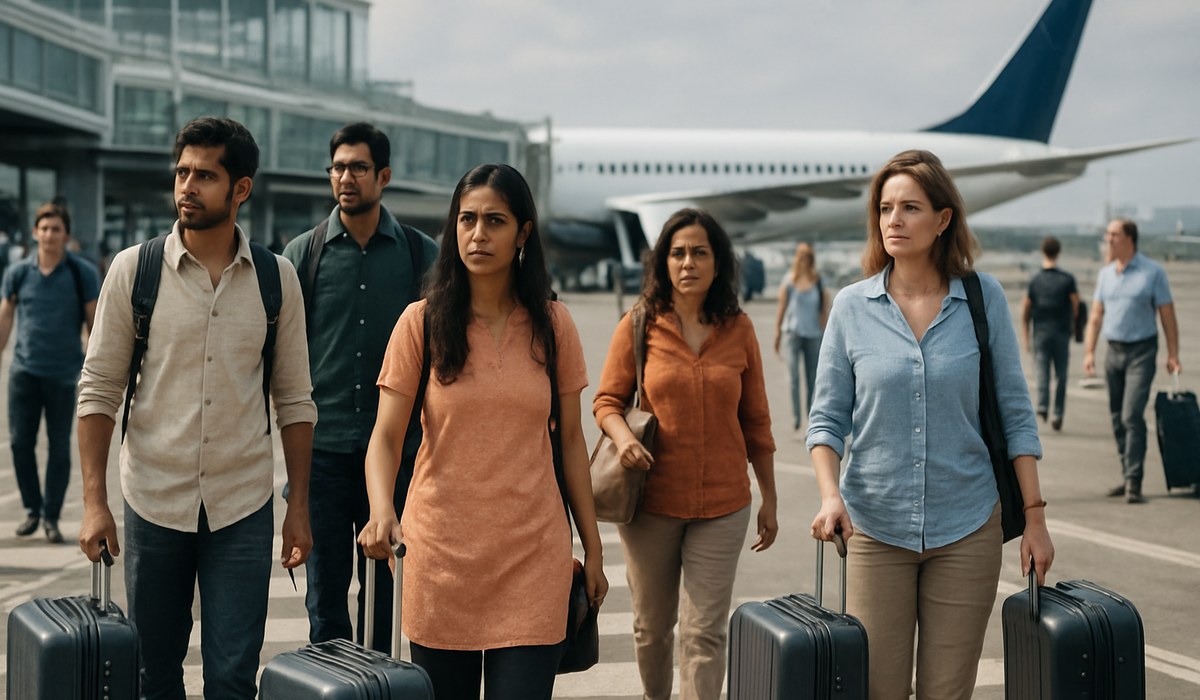
Image generated by AI
Quick Summary
- West Asia's geopolitical instability is triggering a mass reallocation of Indian leisure travel to Southeast Asia, Europe, and domestic alternatives
- Airfares to traditional destinations have spiked 15–25% while emerging routes see capacity increases and competitive pricing
- Travel insurance policies are being repriced and route-specific riders added as airlines reconfigure networks
- Alternative destinations like Thailand, Vietnam, and the Maldives are capturing displaced Indian travelers with targeted promotions
The West Asia Travel Exodus: What's Driving the Shift
For generations, West Asia represented the easiest escape for middle-class Indian families. Short flights. Favorable exchange rates. Cultural proximity. Visa-on-arrival simplicity. But 2026 has upended that equation.
Regional tensions have escalated dramatically. Iran's strikes and travel alerts have dominated headlines. Houthis' impact on Red Sea shipping has created corridor bottlenecks affecting both maritime and aerial routes. Travelers no longer feel the casual confidence that characterized pre-2025 bookings.
The impact is measurable. According to preliminary data tracked by industry analysts, Indian booking volumes to Gulf destinations fell 28% month-over-month in March alone. Hotels in Dubai reported occupancy drops. Airlines serving India–UAE routes face a sudden capacity mismatch—too many seats, too few passengers.
This isn't hypothetical anxiety. It's operational disruption reshaping a multi-billion-dollar leisure sector in real time.
According to UNWTO travel trend data{target="_blank" rel="noopener noreferrer"}, Indian outbound tourism has grown 12% annually over the past five years, reaching 31 million departures in 2025. West Asia historically captured 40% of that volume. The sudden redirect is the tourism equivalent of rerouting an eight-lane highway through secondary roads—everyone's destination changes overnight.
The psychological trigger matters as much as the statistics. Safety perception drives booking behavior more than actual risk assessments. Social media amplifies headline anxiety. WhatsApp family group chats become chambers of travel reconsideration. A single incident sparks cascading cancellations across entire family networks. Tour operators report fielding 300+ calls per day from anxious travelers demanding refunds or rebookings.
Where Indian Tourists Are Heading Instead: The New Destination Winners
The displaced volume isn't evaporating. It's relocating.
Southeast Asia is the primary beneficiary. Thailand's tourism ministry reports a 31% surge in Indian visitor bookings for April and May 2026 compared to the same period last year. Bangkok hotels that typically operate at 65% occupancy are now pushing toward 85%. Phuket is actively marketing to Indian travelers through Hindi-language tourism campaigns, a rarity just two years ago.
Vietnam follows closely. Ho Chi Minh City and Hanoi are seeing Australian and Indian bookings overlap for the first time—both groups fleeing traditional alternatives. Budget airlines are adding flights. Hotels in secondary cities like Da Nang are ramping up English and Hindi-language staff.
The Maldives, while geographically closer to West Asia, is benefiting from brand advantage. Couples pursuing honeymoon packages and families seeking island wellness retreats view the Maldives as the safer "premium" alternative. Resort occupancy is hitting record highs. Transfer costs from Malé to resorts have doubled due to capacity constraints.
Indonesia is another winner. Bali's tourism recovery, stalled in late 2025, has accelerated. Bandung and Yogyakarta are attracting budget-conscious families who would have booked Muscat or Abu Dhabi budget city breaks. According to Lonely Planet destination resources that track emerging travel patterns, lesser-known Indonesian islands are seeing unprecedented interest from Indian tour operators scouting new package itineraries.
Domestically, India's own coastal and hill stations are gaining attention. Goa and Kerala are extending their seasons to capitalize on diverted leisure spend. Himachal Pradesh tourism boards are aggressively marketing hill retreats as "safe" alternatives requiring no international travel anxiety.
Europe is the outlier—higher cost, but zero geopolitical proximity concerns. Portugal, Greece, and Spain are seeing Indian booking increases, though these trips skew toward higher-income travelers and longer vacations. The budget-to-midrange Indian family isn't pivoting to Barcelona; they're pivoting to Chiang Mai.
How Airfares, Insurance, and Logistics Are Changing
The scramble for seats to Southeast Asia has turbocharged pricing volatility.
Economy fares from Delhi to Bangkok have climbed 19% in just eight weeks. Carrier capacity to traditional West Asia hubs—Emirates, Etihad, Qatar—remains deployed toward the same routes, but load factors are collapsing. Meanwhile, Air India, IndiGo, and SpiceJet are accelerating expansion on Asian routes where demand has spiked.
IndiGo's 30 new routes from Navi Mumbai{target="_blank" rel="noopener noreferrer"} announced in March reflect this exact reallocation. The carrier is redirecting domestic network capacity to feed international departures on routes that would have been considered secondary just months ago. Bangkok, Ho Chi Minh City, and Phuket now compete for frequency allocation with traditional metro-centric hubs.
Ancillary costs are shifting too. Travel insurance premiums for West Asia are hardening—some insurers have added 12–18% loadings or specific exclusions for conflict-zone travel. Conversely, Southeast Asian policies are being discounted to encourage bookings. Standard medical evacuation riders that cost ₹1,200 for a Gulf trip now cost ₹850 for Thailand.
Visa processing is easing for newly popular destinations. Thailand's e-visa service has been streamlined. Vietnam's embassy in Delhi has increased processing windows. The Maldives has effectively moved to visa-on-arrival for all Indian nationals. These operational improvements aren't coincidental—they're strategic responses to recognized demand surges.
Hotel distribution channels are reorganizing. OTAs like MakeMyTrip and Cleartrip are seeing search behavior shift—the top destinations have literally swapped positions. This causes inventory management headaches for hotel chains. A five-star property in Jaipur that historically filled 60% occupancy is now at 78%. A Dubai resort expecting 400 Indian guests is receiving 290.
Ground transportation and meal voucher costs are rising in hotspot destinations due to congestion. Bangkok's taxi availability from Suvarnabhumi Airport is tightening. Phuket restaurant reservations for dinner are now required weeks in advance, not days.
What Travelers Need to Know Before Booking Alternatives
Before redirecting your family vacation, understand what you're trading off.
Visa requirements vary wildly. Thailand offers visa-free entry for Indian citizens for 30 days. Vietnam requires an e-visa processed online, typically approved within 3 days. Indonesia offers visa-on-arrival. The Maldives has eliminated requirements entirely. But Greece, Portugal, and other European alternatives require Schengen visas with longer lead times. Don't assume your new destination requires less documentation.
Climate seasonality matters. Southeast Asia's monsoon season peaks May through September. If you're escaping West Asia in April-May, you're heading into the tail end of dry season in some regions—acceptable, but
Disclaimer
This article is for informational and educational purposes only. It does not constitute legal, financial, or professional advice. While we strive to provide accurate and up-to-date information, travel policies, regulations, and conditions change rapidly. Always verify information with official sources before making travel decisions. Nomad Lawyer makes no representations about the accuracy, reliability, completeness, or suitability of the information provided. Readers should consult qualified professionals for advice specific to their circumstances. The views expressed in this article are those of the author and do not necessarily reflect the views of Nomad Lawyer.
Preeti Gunjan
Contributor & Community Manager
A passionate traveller and community builder. Preeti helps grow the Nomad Lawyer community, fostering engagement and bringing the reader experience to life.
Learn more about our team →