
Washington's Protection Island and Five Restricted US Refuges
Protection Island in Washington and five other highly protected US wildlife refuges and monuments remain strictly off-limits to tourists in 2026.

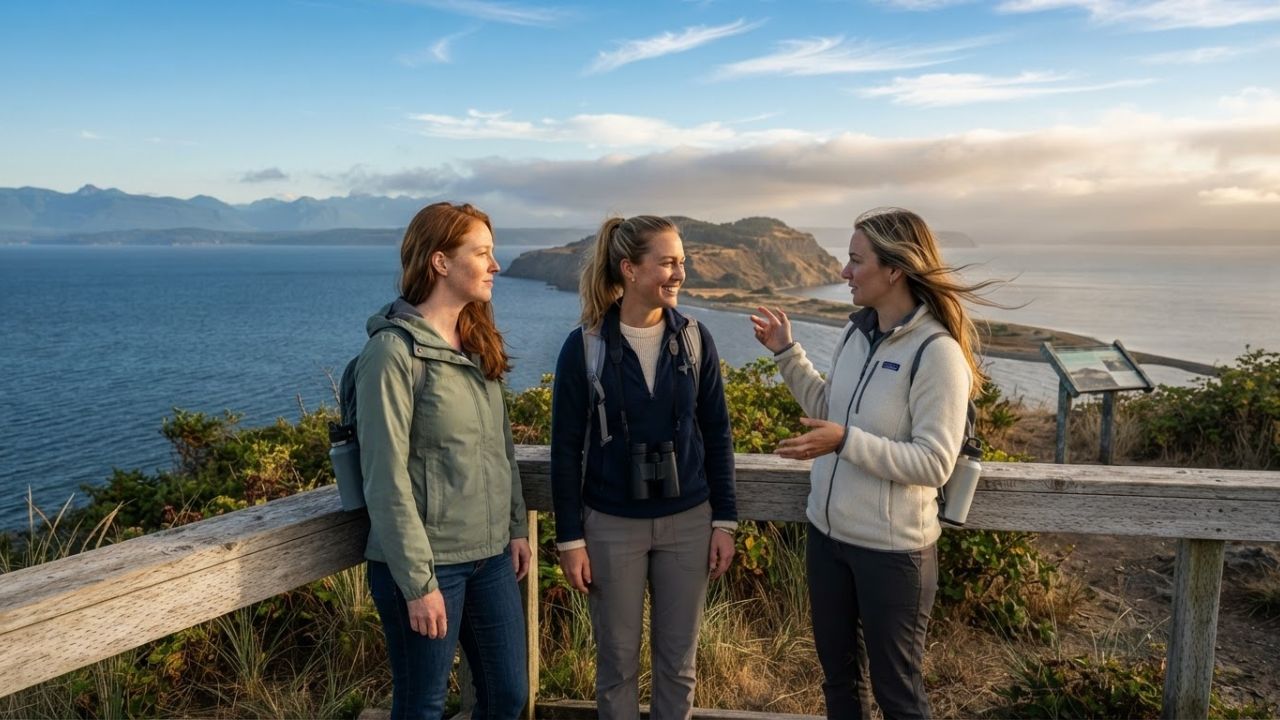
Image generated by AI
Six highly protected natural and historical sites across the United States—including Washington’s Protection Island and Virginia’s Fisherman Island—remain strictly off-limits to unregulated tourist visits in 2026 to safeguard fragile nesting grounds and fragile monuments.
The Local Trend Revealed: The Rise of Non-Visitation Conservation
The global travel sector is observing a shift toward "non-visitation" eco-preservation, where environmental authorities prioritize ecological stability and wildlife recovery over unchecked commercial tourism. Across the United States, several natural and historical sites operate under strict access limits to protect nesting colonies, preserve structural integrity, or facilitate recovery from environmental changes.
Six travel destinations illustrate this conservation approach:
- Protection Island National Wildlife Refuge (Washington): Situated in the Strait of Juan de Fuca, this island escape is off-limits to landing. The restriction protects nesting seabirds, including rhinoceros auklets and glaucous-winged gulls, as well as harbor seals.
- Fisherman Island National Wildlife Refuge (Virginia): Located at the mouth of the Chesapeake Bay, this barrier island protects sensitive nesting areas. Unsupervised public visits are prohibited to prevent damage to coastal dune ecosystems.
- San Juan Islands National Wildlife Refuge (Washington): Comprising dozens of rocks, reefs, and islands, these areas are closed to landing to prevent human activity from disturbing nesting colonies and marine mammals.
- Rattlesnake Island at Fort Matanzas National Monument (Florida): The historic 18th-century Spanish masonry fort near St. Augustine restricts independent visitor movement. Access is organized solely through official ferry programs to safeguard the historic walls.
- Channel Islands National Park (California): This park manages temporary closures of specific trails and beaches to allow native flora and fauna to recover from wildfires and soil erosion.
- America's National Parks: Various parks manage closed trails, protected research zones, and sensitive habitats off-limits to visitors to prevent permanent damage to fragile environments.
Restricted United States Wildlife Refuges and Historic Sites (2026)
| Refuge / Monument Name | State / Location | Primary Wildlife / Asset Protected | Access Regulations | Nearest Hub |
|---|---|---|---|---|
| Protection Island | Washington | Rhinoceros auklets, harbor seals, puffins | No public landing allowed | Port Townsend |
| Fisherman Island | Virginia | Coastal dune ecosystems, nesting seabirds | Controlled entry; no boat landings | Cape Charles |
| San Juan Islands | Washington | Densely populated seabird nesting reefs | Mandatory boating buffer distances | Friday Harbor |
| Rattlesnake Island | Florida | 18th-century Spanish masonry fort | Official ferry transport only | St. Augustine |
| Channel Islands | California | Fire-damaged valleys, endemic island foxes | Temporary trail closures as needed | Ventura |
| National Parks | Nationwide | Research zones, breeding grounds | Closed trails, no-entry scientific zones | Various hubs |
Cultural & Environmental Value: Supporting Off-Shore Eco-Tourism
For the traveler, the real impact of these access boundaries is the opportunity to practice responsible, non-invasive travel that respects ecological limits and protects native biodiversity. Instead of landing on Protection Island or Rattlesnake Island, visitors can participate in guided kayak tours, off-shore bird-watching charters, and digital park presentations.
Managed in coordination with the U.S. Fish and Wildlife Service (USFWS) and the National Park Service (NPS), this conservation strategy directs tourist spending to local independent boat captains, regional nature guides, and nearby community businesses in towns like Port Townsend and St. Augustine. This proves that tourism value can be generated without disturbing nesting sanctuaries, keeping economic benefits in local hands.
Destination Specialist Local Insider Tips
To help you appreciate these protected areas responsibly and plan your coastal travels comfortably, regional specialists suggest the following tips:
- Savor Penn Cove Mussels in the San Juans: Experience regional coastal gastronomy. Taste fresh Penn Cove Mussels steamed with garlic and white wine at local harbor restaurants.
- Book a Water-Based Eco-Charter: To view the puffins and harbor seals of Protection Island, book a licensed boat tour departing from Port Townsend, which allows you to view the sanctuary safely from the water.
- Respect the 200-Yard Boating Buffer: When navigating personal watercraft around Protection Island or the San Juan reefs, maintain a minimum distance of 200 yards to avoid disturbing nesting birds.
- Reserve Ferry Tickets for Fort Matanzas: Do not attempt to paddle to Rattlesnake Island. Reserve your boarding pass at the Anastasia Island visitor center for the official park ferry to tour the fort.
- Explore Point Wilson Lighthouse: Take an under-the-radar detour. Visit the historic lighthouse at Fort Worden State Park for panoramic views across the Strait toward Protection Island, supporting local historical preservation.
Long-Term Outlook: Sustainable Off-Shore Tourism
The long-term outlook for America’s protected areas is shaped by the expansion of low-impact, off-shore tourism models. As environmental challenges and climate events increase the frequency of temporary national park closures, conservation managers are using digital ticketing and educational campaigns to manage visitor flow. By encouraging tourists to appreciate these sanctuaries from afar, local destination planners ensure that delicate coastal and historical ecosystems remain intact for future generations.
Related Travel Guides
Disclaimer
This article is for informational and educational purposes only. It does not constitute legal, financial, or professional advice. While we strive to provide accurate and up-to-date information, travel policies, regulations, and conditions change rapidly. Always verify information with official sources before making travel decisions. Nomad Lawyer makes no representations about the accuracy, reliability, completeness, or suitability of the information provided. Readers should consult qualified professionals for advice specific to their circumstances. The views expressed in this article are those of the author and do not necessarily reflect the views of Nomad Lawyer.
Preeti Gunjan
Contributor & Community Manager
A passionate traveller and community builder. Preeti helps grow the Nomad Lawyer community, fostering engagement and bringing the reader experience to life.
Learn more about our team →