
Saudi Arabia Leads Middle East Tourism Revolution with $178B Surge Amid Global Energy Crisis: How Vision 2030 Mega-Projects Surmount Strait of Hormuz Tensions and Rising Oil Prices to Redefine Global Travel
Saudi Arabia’s tourism GDP has skyrocketed to $178 billion, representing 46% of the Middle Eastern market, as the Kingdom leverages its energy leadership to fund a resilient post-oil sanctuary amid the global energy crisis.

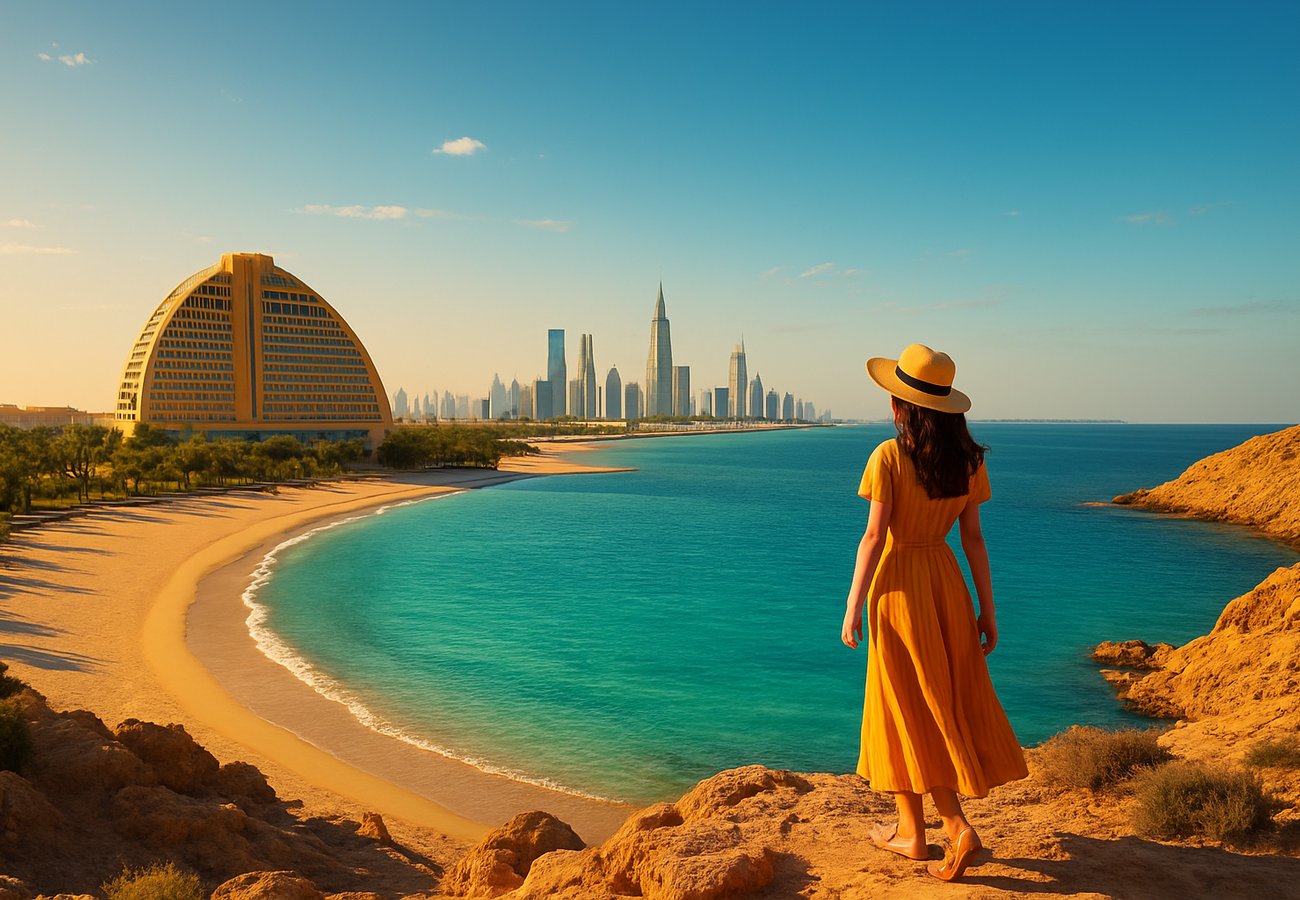
Image generated by AI
Quick Summary
- Economic Dominance: Saudi Arabia’s tourism GDP reached $178 billion in 2025, accounting for a staggering 46% of the total tourism economy in the Middle East.
- Skyrocketing Growth: The Kingdom recorded a 7.4% growth rate, nearly twice the global average of 4.1%, positioning it as the region's undisputed powerhouse.
- Mega-Project Momentum: High-profile developments including NEOM ($500B), Qiddiya ($10B), and the Red Sea Project are redrawing the global travel map.
- Energy Defiance: The boom is being funded by the Kingdom's energy leadership as the global energy crisis and US-Iran conflict inflate trans-continental costs.
- Domestic Surge: Q1 2026 saw 28.9 million domestic tourists (+16%), with local spending reaching SAR 34.7 billion ($9.2B).
- Geopolitical Resilience: Saudi Arabia is positioning itself as a "stable sanctuary" despite Strait of Hormuz tensions and maritime shipping disruptions.
- Source: Saudi Ministry of Tourism / Vision 2030 Performance Report, May 7, 2026.
RIYADH — In a historic pivot that is fundamentally redrawing the global map of influence, Saudi Arabia has emerged as the leading force in the Middle East’s tourism revolution. According to breaking data released on May 7, 2026, the Kingdom’s tourism GDP has surged to an unprecedented $178 billion. This monumental growth is being analyzed by senior global affairs and energy journalists as a masterclass in strategic "post-oil" diversification, occurring precisely as Gulf tensions and the threat of a Strait of Hormuz closure send oil prices to record highs and disrupt traditional East-West aviation corridors.
Expanded Overview: The $178 Billion Anchor of the Middle East
The scale of Saudi Arabia’s tourism boom is unparalleled. Contributing 46% of the total Middle Eastern tourism economy, the Kingdom has outpaced the UAE ($68.5B GDP) and other regional counterparts by a significant margin. While the global energy crisis has inflated the cost of travel globally, Saudi Arabia’s tourism sector expanded nearly twice as fast as the global average of 4.1%. By leveraging its massive energy-derived wealth to fund resilient, futuristic infrastructure, the Kingdom is creating a "high-tech sanctuary" that is relatively insulated from the fluctuations of the global market.
Geopolitical Context: Navigating the Strait of Hormuz and Gulf Stability
The broader geopolitical landscape in 2026 has been dominated by the standoff in the Strait of Hormuz. As Saudi Arabia, the UAE, and Qatar work to stabilize global supply chains, the threat of a full-scale blockade has forced many travelers to seek destinations with "fortress-level" infrastructure. Saudi Arabia’s Vision 2030 initiatives, including the futuristic city of NEOM, are being positioned as the ultimate stable alternative. The US-Iran conflict has further prioritized the reliability of the Kingdom’s domestic travel market, which recorded 28.9 million tourists in the first quarter alone.
Global Energy Impact: Funding the Post-Petroleum Dream
Rising oil prices have created a unique economic paradox for the Kingdom.
- Investment Capital: The windfall from the global energy crisis is being directly funneled into tourism mega-projects, ensuring that the $500 billion NEOM vision remains on track despite global headwinds.
- Efficiency Advantage: By building an entirely new, energy-efficient tourism ecosystem (including AI-integrated logistics in NEOM), Saudi Arabia is reducing its future vulnerability to energy price volatility.
Shipping and Trade Impact: The Red Sea as a Tourism Artery
The ongoing shipping disruption in global maritime routes has highlighted the strategic importance of the Kingdom’s coastal investments.
- Red Sea Project Resilience: Stretching over 28,000 square kilometers, the Red Sea Project is being developed as a "carbon-neutral" luxury hub that bypasses the logistical stress of traditional maritime hubs.
- Expo 2030 Preparation: The Kingdom’s focus on Saudi Expo 2030 is driving a massive expansion in airport and conference infrastructure, ensuring that the "business tourism boom" remains immune to global trade delays.
Regional Impact: The Saudi Powerhouse vs. Traditional Hubs
While the UAE remains a significant player, the sheer scale of Saudi Arabia’s investment is shifting the center of gravity.
- Domestic Resilience: The 16% growth in domestic tourism shows that Saudis are increasingly exploring their own land, creating a stable, high-spending revenue base.
- Regional Integration: Saudi Arabia, Kuwait, Oman, and Bahrain are increasingly looking to the "Saudi Model" of mega-project development to shield their economies from the global energy crisis.
Industry / Expert Analysis: Why Saudi Arabia Matters Globally
Aviation and economic analysts at Reuters and Bloomberg suggest that Saudi Arabia’s $178 billion tourism surge is the most significant structural shift in the industry this decade. In an era where the US-Iran conflict makes certain global transit hubs unpredictable, travelers are prioritizing destinations that offer authenticity, modern luxury, and high-tech efficiency. The Kingdom’s focus on Qiddiya ($10B entertainment city) and high-profile international events ensures that it remains the undisputed powerhouse of the Middle East.
What Happens Next: The Road to Expo 2030
As the Kingdom accelerates its 2027-2030 roadmap, several key developments are expected:
- NEOM Integration: The first phase of the futuristic city will begin hosting high-level global summits, utilizing AI to create a "seamless" travel experience.
- Conference Boom: Riyadh and Jeddah will solidify their status as the world’s leading hubs for international trade shows and corporate gatherings.
- Diplomatic Outlook: Should the Strait of Hormuz tensions ease, the Kingdom is projected to see a 15% surge in European and Asian arrivals by late 2026.
Conclusion: Reinforcing the Global Risk and Saudi Reward
Saudi Arabia’s tourism revolution is a testament to the power of strategic foresight in a world of shipping disruptions and oil price volatility. By surmounting the challenges of the global energy crisis and the geopolitical shadow of the Strait of Hormuz, the Kingdom has proven that the "Vision 2030" currency is the ultimate hedge against global uncertainty. As the world watches the Middle East, Saudi Arabia stands as a beacon of growth, proving that energy leadership and futuristic infrastructure are the keys to a thriving future.
Key Takeaways: Saudi Arabia Tourism 2026
- Economic Scale: Tourism GDP reached $178 billion (46% of ME total).
- Growth: 7.4% surge, twice the global average.
- Mega-Projects: NEOM ($500B), Qiddiya ($10B), Red Sea Project.
- Domestic Market: 28.9 million tourists in Q1 2026 (+16%).
- Geopolitics: Anchoring the region amid Strait of Hormuz tensions.
- Vision: Vision 2030 as a roadmap for "post-oil" resilience.
Related Tourism Reports
Disclaimer
This article is for informational and educational purposes only. It does not constitute legal, financial, or professional advice. While we strive to provide accurate and up-to-date information, travel policies, regulations, and conditions change rapidly. Always verify information with official sources before making travel decisions. Nomad Lawyer makes no representations about the accuracy, reliability, completeness, or suitability of the information provided. Readers should consult qualified professionals for advice specific to their circumstances. The views expressed in this article are those of the author and do not necessarily reflect the views of Nomad Lawyer.
Kunal K Choudhary
Co-Founder & Contributor
A passionate traveller and tech enthusiast. Kunal contributes to the vision and growth of Nomad Lawyer, bringing fresh perspectives and driving the community forward.
Learn more about our team →