
Nearly Half of Asia-Pacific Consumers Open to Stablecoin Payments for Travel and Cross-Border Transfers: Visa Study
A Visa study of 14,250 Asia-Pacific consumers reveals 46% intend to use stablecoins within five years for travel spending, international transfers, and everyday commerce.

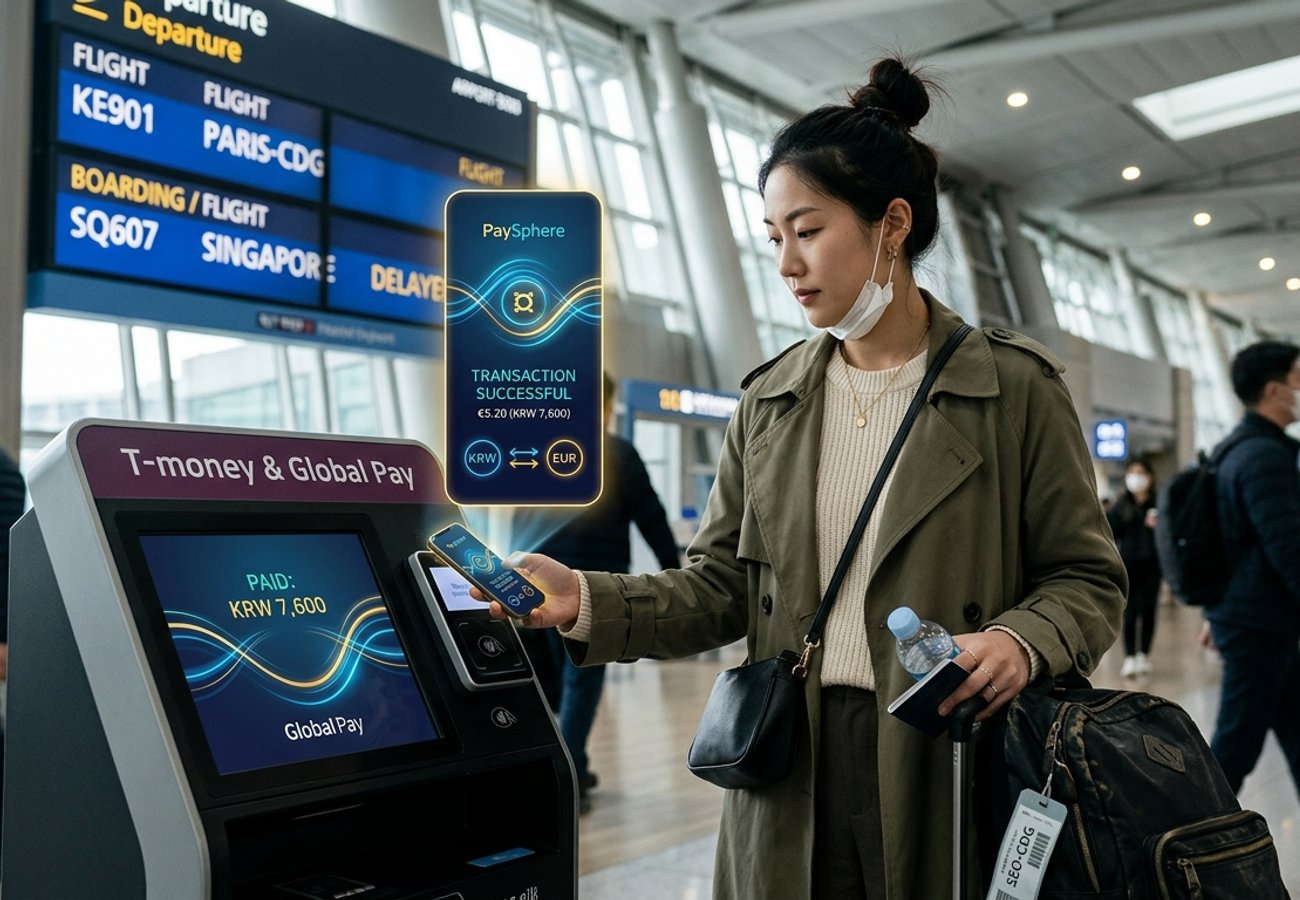
Visa Consumer 360 research highlights shifting consumer sentiment toward stablecoin payments for travel and cross-border money movement
Nearly half of consumers across the Asia-Pacific region are open to using stablecoins within the next five years for travel spending, overseas shopping, and cross-border money movement, according to new Visa Consumer 360 research surveying 14,250 respondents across 14 regional markets.
[SINGAPORE, Oct 9, 2026] — Global digital payments network Visa has unveiled new findings revealing a decisive shift in how consumers across Asia Pacific (APAC) perceive stablecoins. Moving beyond their initial reputation as speculative cryptocurrency trading instruments, digital tokens pegged to sovereign currencies are increasingly viewed by consumers as practical instruments for cross-border travel, international money transfers, and everyday e-commerce.
The study—which surveyed 14,250 consumers aged 18 to 65 across 14 key markets including Singapore, Hong Kong, Japan, India, Australia, and Vietnam—found that 46% of respondents intend to use stablecoins within the next five years, nearly triple the 16% who reported transacting with them in the preceding 12 months.
Furthermore, 49% believe stablecoins will become a common medium for cross-border money transfers within five years, positioning digital currencies as a serious alternative to traditional bank wires, foreign exchange kiosks, and remittance corridors.
| Study Dimension | Key Metric / Benchmark | Market Highlights & Regional Insights |
|---|---|---|
| 5-Year Adoption Intent | 46% likely to use stablecoins | India & Vietnam lead regional intent at 67% each |
| Current 12-Month Usage | 16% active past-year users | Transitioning from niche crypto trading to utility |
| Cross-Border Transfer Belief | 49% predict common 5-yr use | Major implications for remittances & international travel |
| General Awareness Rate | 66% across 14 APAC markets | Highest in Hong Kong (84%), India (80%), Thailand (77%) |
| Functional Comprehension | Only 6% accurately understand | 49% still believe stablecoins are only for crypto trading |
| Primary Adoption Barriers | 38% fear fraud; 36% lack knowledge | Preference for bank-backed or central bank-linked rails |
From Speculative Trading to Everyday Utility: The Travel and Cross-Border Shift
For international travelers and cross-border consumers, conventional foreign currency exchange remains plagued by hidden fees, unfavorable retail spreads, credit card foreign transaction fees (FX markups ranging from 1.5% to 3.5%), and multi-day clearing delays through legacy correspondent banking networks.
Visa’s research illustrates that consumers increasingly view stablecoins as a potential antidote to these friction points. Rather than purchasing digital tokens to speculate on market volatility, respondents highlighted practical daily applications:
- Travel Spending and Duty-Free Commerce: Seamless point-of-sale spending abroad without paying multiple foreign exchange conversion penalties.
- Peer-to-Peer Cross-Border Remittances: Instant, low-cost money transfers between family members across national borders that settle 24/7/365.
- Overseas E-Commerce: Direct settlement with international merchants without high credit card processing surcharges or payment gateway abandonment.
“We’re seeing a meaningful shift in how consumers across Asia Pacific think about stablecoins,” said Nischint Sanghavi, Head of Digital Currencies, Asia Pacific at Visa. “Consumers are beginning to see how stablecoins could support the ways they already spend and move money, particularly through online purchases, travel and cross-border transfers. The opportunity now is to turn that interest into trusted and familiar payment experiences that work at scale.”
Market-by-Market Breakdown: Where Awareness and Adoption Intent Lead
Regional interest is far from uniform, reflecting diverse regulatory climates, fintech penetration, and remittance dependencies across the Asia-Pacific landscape.
Highest Awareness Markets
Mainland financial hubs and digital-first economies demonstrated the highest familiarity with stablecoins:
- Hong Kong: 84% awareness, fueled by the Hong Kong Monetary Authority’s (HKMA) proactive regulatory sandbox for stablecoin issuers.
- India: 80% awareness, driven by massive domestic digital payment adoption (UPI) and a tech-savvy youth demographic.
- Thailand: 77% awareness, supported by widespread merchant QR code infrastructure and progressive digital asset frameworks.
Highest Intent-to-Adopt Markets
When asked whether they anticipate using stablecoins within the next five years, emerging markets outpaced mature Western economies:
- Vietnam (67%): High cross-border freelance economy and tech adoption drive strong appetite for frictionless international payments.
- India (67%): Massive inbound remittance volumes ($125+ billion annually) make lower-cost digital corridors exceptionally appealing.
- Developing Southeast Asia (Philippines, Indonesia): High unbanked populations coupled with widespread mobile smartphone usage create fertile ground for stablecoin wallet integration.
| APAC Market | Stablecoin Awareness | 5-Year Intent to Transact | Primary Consumer Motivator |
|---|---|---|---|
| Hong Kong | 84% | 52% | Regulated institutional sandbox, wealth management |
| India | 80% | 67% | Cross-border remittances, tech-forward demographics |
| Thailand | 77% | 58% | Tourism commerce, digital wallet familiarity |
| Vietnam | 73% | 67% | Freelancer payments, cross-border e-commerce |
| Singapore | 71% | 48% | Institutional clarity (MAS regulations), travel payments |
| Australia | 62% | 38% | Security concerns, preference for traditional banks |
| Japan | 59% | 34% | Conservative financial culture, strict regulatory oversight |
The Knowledge Deficit: Misconceptions and Trust Barriers
Despite 66% of respondents having heard of stablecoins, the survey revealed an acute literacy deficit that represents the biggest bottleneck to mainstream commercial adoption:
- The Speculation Myth: 49% of consumers aware of stablecoins still mistakenly believe they can only be used to buy and sell other cryptocurrencies like Bitcoin or Ethereum.
- The Guaranteed Return Fallacy: 41% incorrectly believe that stablecoins always increase in value over time, confusing price-stable digital cash with speculative growth tokens.
- Precise Functional Knowledge: Only 6% of consumers across the region demonstrated an accurate understanding of how fiat-backed reserve mechanisms function.
Beyond education, consumer trust remains a substantial hurdle:
- 38% of non-users cited active anxiety regarding fraud, scam tokens, and cyber theft.
- 36% pointed directly to their own lack of understanding as the decisive reason they have not transacted.
When asked who they would trust to issue or facilitate stablecoin payments, consumers overwhelmingly favored established institutions:
- 27% chose government or central bank-linked entities.
- 26% selected commercial banks and heavily regulated financial institutions.
- Non-regulated crypto-native exchanges ranked far lower on consumer trust hierarchies.
Visa's Commercial Strategy: The Visa Stablecoin Platform
To bridge the chasm between consumer interest and mainstream commercial trust, Visa is actively positioning itself as an infrastructure bridge between blockchain networks and traditional retail banking.
Through initiatives like the Visa Stablecoin Platform (VSP), the payments giant enables partner banks, neo-banks, and fintech platforms to:
- Mint and Custody: Safely issue and custody compliant, fiat-backed stablecoins without requiring complex blockchain infrastructure.
- Move and Settle: Settle treasury obligations and commercial transactions using regulated stablecoins across public blockchains like Solana and Ethereum.
- Card-Linked Interoperability: Enable cardholders to spend stablecoin balances at over 130 million merchant locations worldwide using standard Visa debit and prepaid credentials.
“This research confirms what we’ve been building toward,” added Sanghavi. “Consumers want stablecoins to feel like a natural part of the payments they already trust, not a separate system. Our role is to connect emerging stablecoin technology with the secure, familiar payment experiences consumers rely on every day.”
Why This Matters for Global Travelers and Digital Nomads
For international nomads, frequent business flyers, and leisure vacationers, the mainstream integration of stablecoins by networks like Visa promises tangible improvements:
- Elimination of Foreign Exchange Traps: Travelers will eventually hold digital US dollars, Euros, or Yen in a single wallet, converting at programmatic wholesale exchange rates rather than inflated airport kiosk margins.
- Protection Against Card Freezes: Cross-border transactions settled via stablecoin rails reduce automated fraud triggers that frequently freeze traditional credit cards during multi-country trips.
- Instant Merchant Payouts: Independent tour operators, boutique safari lodges, and local hospitality providers in emerging markets can receive immediate settlement without losing 4% to 6% in international credit card processing fees.
As financial giants and regulators across Singapore, Hong Kong, and Tokyo formalize licensing frameworks, stablecoins are steadily transitioning from crypto fringe to the foundational plumbing of 21st-century global travel finance.
Related Travel Guides
ASEAN Digital Travel Revolution: QR Code Cross-Border Payments and Biometric Borders
Robinhood Integrates Duffel for Direct Travel Bookings for Cardholders
10 Best Travel Fintech Apps for Digital Nomads, According to Reddit
Disclaimer
This article is for informational and educational purposes only. It does not constitute legal, financial, or professional advice. While we strive to provide accurate and up-to-date information, travel policies, regulations, and conditions change rapidly. Always verify information with official sources before making travel decisions. Nomad Lawyer makes no representations about the accuracy, reliability, completeness, or suitability of the information provided. Readers should consult qualified professionals for advice specific to their circumstances. The views expressed in this article are those of the author and do not necessarily reflect the views of Nomad Lawyer.
Raushan Kumar
Founder & Lead Developer
Full-stack developer with 11+ years of experience and a passionate traveller. Raushan built Nomad Lawyer from the ground up with a vision to create the best travel and law experience on the web.
Learn more about our team →