
Virginia Tourism Mobilizes $1.3 Million in Matching Grants to Ignite Off-Season Travel and VA250 Heritage

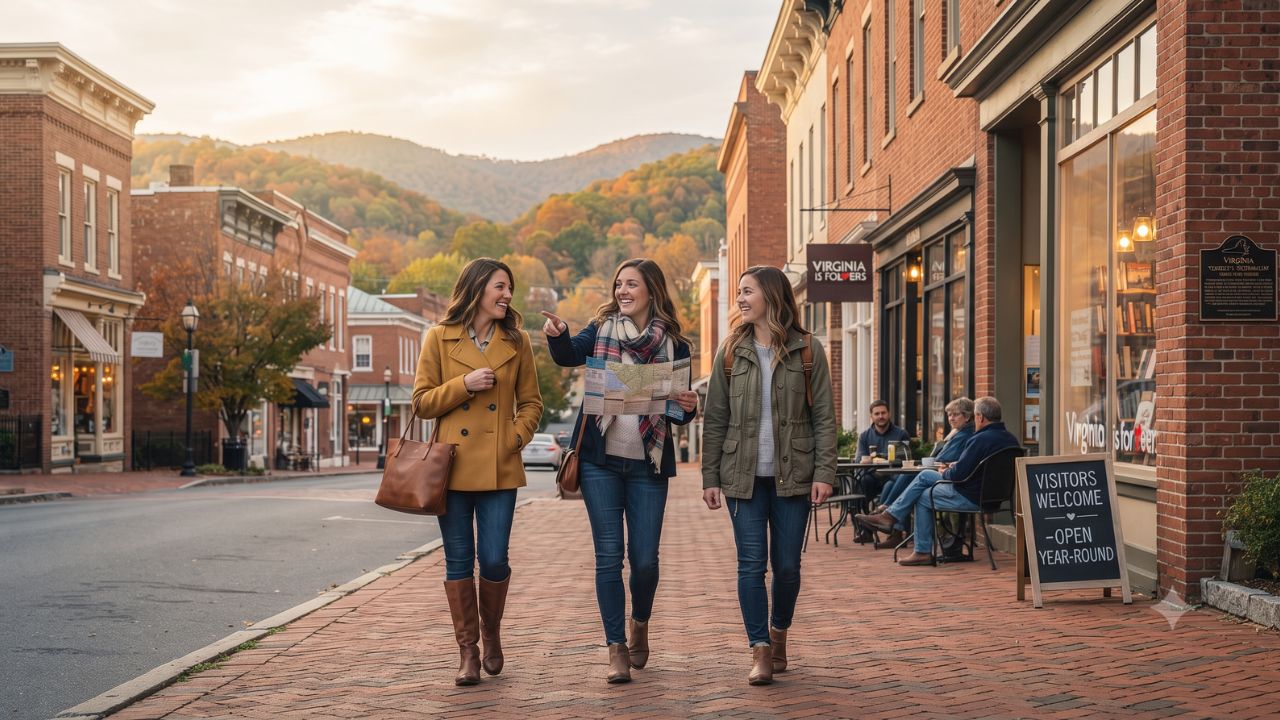
Leveraging $627,877 in state matching grants alongside more than $729,992 in local private capital, Virginia has mobilized a $1.3 million off-season marketing offensive across 104 regional tourism projects. Administered by the Virginia Tourism Corporation, the targeted funding framework is designed to dismantle seasonal revenue dependency by channeling promotional resources to 624 tourism partners throughout the autumn, winter, and early spring shoulder seasons.
For independent travel operators, historic inns, wineries, and outdoor outfitters, seasonal revenue volatility represents an enduring operational vulnerability. While summer beach vacations and peak October foliage drives generate robust cash flow, subsequent winter and early spring troughs often compel small hospitality providers to reduce operating hours, furlough staff, or absorb operational losses. By conditioning state subsidies on equal or exceeding local matching investments, Virginia is pioneering a co-investment model that empowers micro-enterprises to extend their market reach into high-yield, cold-weather travel segments.
Structural Framework: Countering Tourism Seasonality Through Public-Private Leverage
The foundational October funding cycle specifically targeted the September-to-May corridor, a nine-month window when leisure travel across the mid-Atlantic typically contracts. Rather than offering unconditional operational subsidies, the state structured its allocations strictly as performance-based marketing grants, ensuring that public capital directly stimulates new consumer demand and overnight lodging bookings.
The strategy deploys three distinct funding mechanisms to reach diverse tiers of the visitor economy:
The Microbusiness Marketing Leverage Program serves as the core pillar for grassroots operators, tailored specifically for tourism-related enterprises employing 20 or fewer full-time staff. By capping overhead barriers, the program enables family-owned farm wineries, mountain guide services, boutique retailers, and historic bed-and-breakfasts to launch targeted digital and print promotional campaigns that would otherwise prove cost-prohibitive.
The Vacation Starts with VA DMO Co-op Program empowers regional Destination Marketing Organizations (DMOs) to execute coordinated, multi-jurisdictional promotional blitzes. By pooling resources across county lines, regional tourism boards can target high-density metropolitan origin markets—including Washington, D.C., Philadelphia, and Charlotte—with unified campaigns promoting winter weekend getaways.
Complementing these initiatives, the VA250 Tourism Marketing Program directly aligns local heritage marketing with the Virginia American Revolution 250 Commission (VA250), commemorating the 250th anniversary of the Declaration of Independence in 2026. Supported by the Virginia Department of Historic Resources, this program positions colonial landmarks, battlefield preservation sites, and historic taverns to capture expanding domestic and international demand for civic education and heritage travel.
Regional Distribution: From Blue Ridge Mountain Escapes to Shenandoah Performing Arts
The geographical allocation of the 104 grant projects illustrates how targeted seasonal marketing supports regional economic diversification away from urban centers.
In central Virginia, Charlottesville and Albemarle County demonstrate how culinary tourism and presidential heritage can thrive outside the summer peak. Framed by the Blue Ridge Mountains, the region leverages grant funding to highlight historic estate tours, cool-climate vineyard tastings, and rural culinary itineraries. Marketing initiatives encourage travelers to treat Charlottesville as an uncrowded winter cultural hub, utilizing boutique hotels as bases for exploring regional cideries, craft distilleries, and antiquing hamlets across the Piedmont.
Further west in the Shenandoah Valley, the historic city of Staunton utilizes its award to position the performing arts as a winter anchor. Grant funding supported the Heifetz International Music Institute for its seasonal holiday and spring chamber music series, transforming classical music performances into overnight hotel demand during traditionally slow winter weekends.
Simultaneously, in the rugged highlands of Floyd County, outdoor adventure operator Buffalo Mountain Ziplines secured marketing assistance to accelerate spring adventure bookings, connecting treetop canopy tours with the county’s renowned bluegrass musical heritage along the Crooked Road music trail.
Rural preservation takes precedence in Highland County and Southwest Virginia, where agricultural tourism, maple syrup festivals, and mountain craft trails received dedicated promotional funding. By assisting remote Appalachian communities in marketing their distinctive cultural assets, the state ensures that tourism receipts circulate deep into rural economies that lack large corporate hospitality resorts.
Virginia Tourism Grant Architecture: Allocations, Programs, and Economic Scope
To delineate the financial structure, eligibility requirements, and strategic targets of the state's tourism investment strategy, the following matrix details the operational architecture of the funding rounds:
| Grant Program Track | Financial Allocation & Match Scale | Recipient Profile & Business Criteria | Seasonal Focus Window | Primary Strategic Objective |
|---|---|---|---|---|
| Microbusiness Marketing Leverage | $627,877 State; $729,992+ Local Match (104 Programs) | Independent enterprises with 20 or fewer full-time staff | September through May (Off-Peak Period) | Generate steady cold-weather foot traffic; prevent seasonal layoffs |
| Vacation Starts with VA DMO Co-op | Shared state-regional cooperative media funds | Regional destination marketing organizations (DMOs) | Autumn, winter, and early spring | Aggregate regional promotional spend toward D.C., NC, and PA markets |
| VA250 Tourism Marketing Program | Targeted heritage and cultural promotional grants | Historic sites, museums, preservation foundations | Multi-year focus peaking in 2026 | Capitalize on 250th American Independence anniversary visitor influx |
| 2026 Expanded Tourism Grants | $2.2M State; $4.3M Local ($6.5M Total / 143 Programs) | Broad mix of 858 commercial and civic partners | Year-round with heavy shoulder-season bias | Scale statewide visitor expenditure following pandemic stabilization |
| 2026 Microbusiness Summer Window | Grants up to $5,000 with 1:1 cash or in-kind match | Tourism small businesses across all state regions | Winter 2026 to Spring 2027 campaigns | Provide micro-capital injections for specialized marketing assets |
| 2026 Special Events & Festivals | Competitive matching event sponsorship awards | Non-profit festival organizers and civic event hosts | Late autumn 2026 through spring 2027 | Attract multi-day event travelers to community cultural gatherings |
Capital Expansion in 2026: Multi-Million-Dollar Scale and Festival Windows
Building on the momentum of the 104 off-season initiatives, Virginia expanded its tourism funding footprint substantially in 2026. In May, state authorities released more than $2.2 million in matching grants and sponsorship allocations across 143 local tourism programs. Demonstrating extraordinary private-sector buy-in, regional partners committed $4.3 million in matching funds, generating approximately $6.5 million in unified promotional power projected to benefit 858 hospitality businesses.
Subsequent funding windows have sustained this momentum. The 2026 cycle of the Microbusiness Marketing Leverage Program accepted applications from June 23 to July 30, offering small enterprises grants of up to $5,000 paired with a strict 1:1 cash or in-kind match. Following the closure of that window, the state inaugurated its Special Events and Festivals Program, accepting applications from September 22 through October 29, 2026, targeting community cultural festivals, culinary showcases, and historic reenactments staged during the shoulder months.
This synchronized deployment of state capital positions Virginia to maximize visitor capture during the 2026 Semiquincentennial. As national attention converges on America's founding heritage, Virginia's network of prepared microbusinesses, regional wine trails, and historic towns will possess the promotional visibility required to convert transient highway motorists into multi-night regional spenders.
Expert Analysis: Seasonality Smoothing, VA250 Heritage Tailwinds, and Microbusiness Viability
The strategic transition from passive seasonal tourism to deliberate off-peak promotion addresses one of the most persistent structural flaws in regional travel economics: the boom-bust cycle of seasonal cash flow. In conventional tourism models, rural hospitality businesses must generate an entire year’s operating profit within twelve summer weeks, creating immense operational vulnerability to extreme weather events, fuel price inflation, or regional disruptions.
For travelers booking this route, the direct consequence is a significantly enhanced travel experience defined by reduced lodging rates, unhurried winery tastings, quiet museum galleries, and personalized service from proprietor-operated inns that would otherwise be overwhelmed by summer queues. Visiting Monticello in Charlottesville, attending intimate concerts in Staunton, or hiking Shenandoah ridgelines during November or March offers premium cultural immersion at a fraction of peak summer costs.
The pricing pressure this creates means that boutique inns and independent restaurants can maintain stable, competitive baseline room rates across the calendar year rather than price-gouging summer visitors to survive winter deficits. By smoothing the revenue curve across nine non-peak months, operators can retain permanent, year-round hospitality staff, elevating service quality, institutional knowledge, and local employment stability.
Additionally, the synchronization of local marketing grants with the national VA250 anniversary creates a durable demand multiplier. By establishing coordinated regional corridors linking Revolutionary War sites with adjacent craft breweries, artisan cider mills, and mountain trailheads, Virginia is constructing an enduring tourism ecosystem where historic discovery and contemporary rural leisure reinforce one another.
Key Takeaways
- Public-Private Funding Leverage: Virginia combined $627,877 in state grants with more than $729,992 in local matching funds, driving over $1.3 million across 104 off-season marketing projects.
- Direct Microbusiness Support: The Microbusiness Marketing Leverage Program specifically funds enterprises with 20 or fewer full-time employees, targeting the September-to-May travel corridor.
- Widespread Industry Reach: The foundational grant round benefits 624 tourism partners across diverse sectors, including the Heifetz Music Institute in Staunton and Buffalo Mountain Ziplines in Floyd County.
- VA250 Heritage Alignment: Dedicated marketing allocations prepare Virginia heritage attractions to capture surging interest surrounding America's 250th anniversary in 2026.
- Expanding 2026 Investments: A subsequent May 2026 round delivered over $2.2 million in state grants, unlocking $4.3 million in local matching capital for 143 programs benefiting 858 partners.
FAQ: Virginia Off-Season Tourism Grants 2026
What is the goal of Virginia's tourism matching grant program?
The program provides state matching funds to help local attractions, inns, and tourism boards promote off-peak travel between September and May, eliminating seasonal revenue deficits.
Which businesses qualify for Virginia's microbusiness tourism grants?
Eligible enterprises must be tourism-related businesses—such as small inns, restaurants, boutique wineries, or outdoor outfitters—employing 20 or fewer full-time staff members.
How much funding was generated in the May 2026 expansion round?
The state awarded more than $2.2 million in matching grants, which was augmented by $4.3 million in local partner commitments, generating approximately $6.5 million in total marketing investment.
When does the Special Events and Festivals Program accept applications?
The application window for Virginia's Special Events and Festivals Program opened on September 22 and closes on October 29, 2026, for events staged during off-peak travel periods.
[In the quiet rhythm of the off-season, Virginia proves that the most memorable journeys unfold when the crowds depart and the authentic spirit of a place comes into focus.]
Related Travel Guides
- US Wildfire Crisis Reshapes 2026 Travel: Nine Million Acres Burned Across 47 States Disrupt National Parks
- Rochester Surpasses $1.1 Billion Tourism Milestone: How Medical Travel Rivals America's Urban Giants
- Breeze Airways Scales Dual-Airport Pittsburgh Network: 18 Nonstop Routes at PIT Coupled with Latrobe Expansion
Disclaimer
This article is for informational and educational purposes only. It does not constitute legal, financial, or professional advice. While we strive to provide accurate and up-to-date information, travel policies, regulations, and conditions change rapidly. Always verify information with official sources before making travel decisions. Nomad Lawyer makes no representations about the accuracy, reliability, completeness, or suitability of the information provided. Readers should consult qualified professionals for advice specific to their circumstances. The views expressed in this article are those of the author and do not necessarily reflect the views of Nomad Lawyer.
Kunal K Choudhary
Co-Founder & Contributor
A passionate traveller and tech enthusiast. Kunal contributes to the vision and growth of Nomad Lawyer, bringing fresh perspectives and driving the community forward.
Learn more about our team →