
Virginia Tourism Surges to $36.2 Billion Impact, Saving Average Household $1,020 in Taxes
Virginia welcomes 46.6 million overnight visitors in 2025, generating $36.2 billion in tourist spending and supporting 232,000 regional jobs in H2 2026.

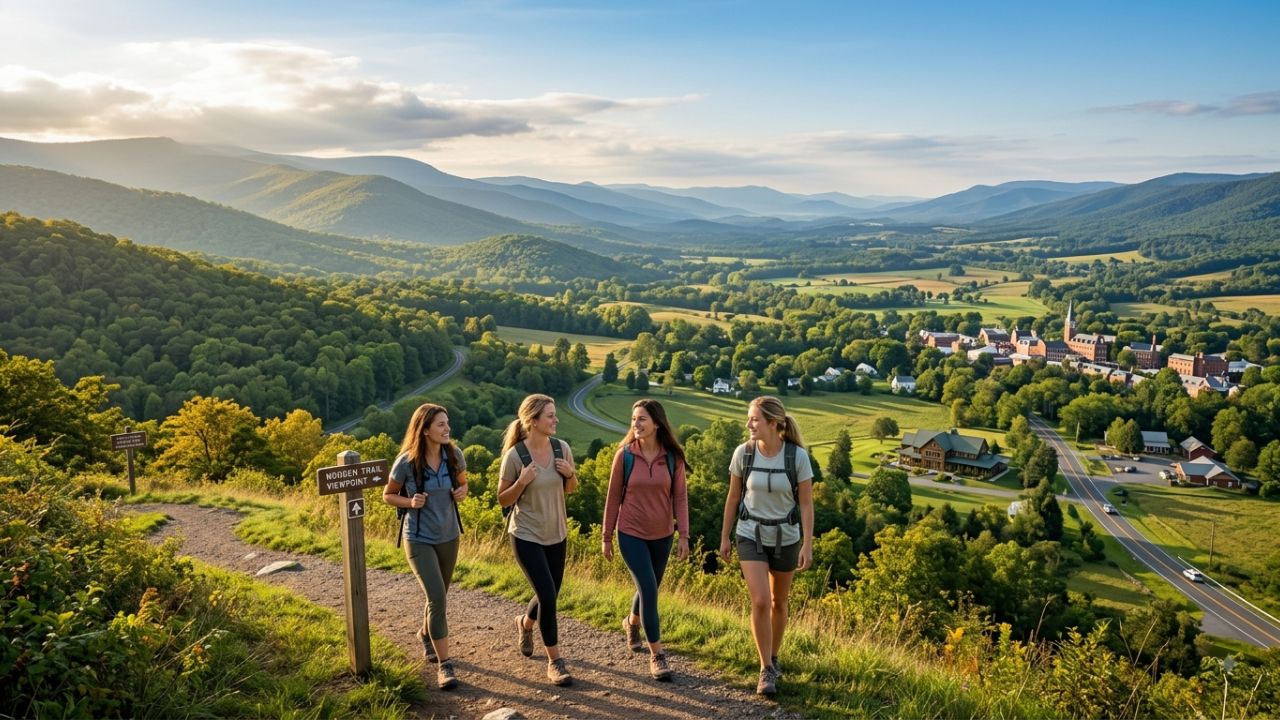
Image generated by AI
Virginia's tourism industry generated a record $36.2 billion in visitor spending in 2025, welcoming 46.6 million overnight visitors and saving the average resident household $1,020 in local tax obligations. This sustained leisure travel demand supports 232,000 jobs and generates $2.6 billion in state and local tax receipts across the Commonwealth.
The travel market in North America is observing a significant realignment of visitor flows, with travelers increasingly seeking natural, open-space environments over high-density urban environments. In Virginia, the tourism sector has become a major engine for economic growth across all 135 counties and cities, driven by the appeal of historic towns, craft beverage trails, and mountain scenery. According to official data, visitor expenditures reached an unprecedented $36.2 billion in 2025, representing a 3.1% increase from 2024. The Commonwealth registered 46.6 million domestic and international overnight visitors during this period, with leisure travel constituting 90% of the total travel market.
For the traveler, the real impact of this growth is the modernization of regional infrastructure and visitor services. The influx of tourism spending enables local municipalities to upgrade multi-modal transit networks, expand highway access points, and restore historic preservation properties. This ensures that travel benefits both short-term visitors and permanent residents, fostering strong community support for sustainable tourism development.
Lodging Demand Decouples from National Trends
A key indicator of Virginia's tourism strength is its performance in the hospitality sector, which has decoupled from broader national trends. During the first six months of 2026, lodging demand across the Commonwealth expanded by 3.1%, while the national average across the United States logged a modest 1.8% increase. This variance highlights the resilience of regional leisure destinations close to major population centers.
This lodging growth was concentrated in specific geographic sectors:
- Mountain and Valley Corridors: Accommodation demand peaked in Central Virginia, the Shenandoah Valley, and the Virginia Mountains, outperforming urban business hotels in room occupancy rates.
- Boutique Capital Allocation: The steady demand has prompted global hotel operators and developers to redirect capital away from high-density cities toward rural retreats, country inns, and eco-lodges situated in scenic corridors. Rural retreats and eco-lodges are increasingly featuring sustainable architecture, solar power systems, and rainwater harvesting, appealing directly to eco-conscious travelers. The redirection of development capital to counties like Rappahannock, Rockbridge, and Albemarle has modernized old farmhouses and historic estates, turning them into high-end, low-impact tourist accommodations. This helps relieve the environmental footprint on the delicate forest terrains while creating a steady source of income for local carpenters, builders, and suppliers.
This decentralized demand ensures that capital expenditures flow directly into regional communities, modernizing local lodging networks and supporting rural economies.
Direct Socio-Economic Contributions and Civic Funding
The financial impact of Virginia's visitor economy extends directly to public finance and resident welfare. In 2025, tourism activities generated over $2.6 billion in state and local tax receipts, which directly fund public school systems, road repairs, emergency services, and environmental conservation programs. Furthermore, the industry maintained approximately 232,000 jobs and generated $10.6 billion in direct payroll compensation for local hospitality employees. The direct payroll compensation of $10.6 billion paid to the 232,000 tourism employees circulates through local grocery stores, service industries, and housing markets, generating a strong multiplier effect. Public finance experts note that this cycle of spending helps stabilize regional municipal budgets during times when manufacturing or corporate tax yields decline. This economic safety net ensures that schools, hospitals, and local libraries remain well-funded and open, directly improving the quality of life for permanent residents.
For local homeowners and families, this visitor activity provides substantial tax relief. Non-resident tax contributions saved the average household in Virginia approximately $1,020 in local tax obligations during the year. This direct offset allows municipalities to maintain high-quality public parks, clean roads, and municipal utilities without increasing personal property tax rates for residents.
Ecotourism and Culinary Trails in the Shenandoah Valley
The integration of local agriculture and conservation into the tourism model is highly visible in Central Virginia and the Shenandoah Valley. Farm-to-table dining experiences, local orchards, and craft beverage trails have become primary economic drivers for rural entrepreneurs:
- Culinary Beverage Trails: Travelers can follow regional food trails, purchasing apples, honey, and craft ciders directly from family-run farms, keeping capital circulating within the local agricultural sector. The fields of the Shenandoah Valley are also home to the historic Virginia Wine Board initiatives, which promote regional vineyards that specialize in Viognier and Cabernet Franc grapes. These craft beverage trails support local grape growers and preserve open farmland against urban sprawl. By visiting these vineyards and buying directly from regional farm stands, tourists support the agricultural preservation of the valley. Furthermore, local efforts to plant native wildflowers along roadsides help protect pollinator populations, maintaining biodiversity in the valley's ecosystems.
- Environmental Stewardship: To protect fragile mountain ecosystems from high visitor numbers, state parks and forestry departments have partnered with outdoor organizations to expand trail maintenance and implement zero-waste visitor initiatives.
This sustainable travel approach ensures that the growth of outdoor recreation does not degrade the pristine natural scenery that draws travelers to the region.
Destination Specialist Local Insider Tips
To help you explore the Shenandoah Valley and the historic districts of Virginia safely and responsibly, regional specialists suggest the following local tips:
- Target the Spring and Late Autumn Shoulder Seasons: Plan your visit in May for mountain wildflowers and rushing waterfalls, or in October for spectacular forest foliage. To avoid the heavy weekend traffic along Skyline Drive, plan your drives on weekdays.
- Savor Virginia Ham and Apple Butter: Experience traditional regional gastronomy. Try salt-cured Virginia ham served on warm buttermilk biscuits, Brunswick stew (a thick chicken and vegetable stew), or fresh apple butter purchased directly from valley orchards.
- Practice Right-of-Way Etiquette on Trails: When hiking in Shenandoah National Park or along the Appalachian Trail, always yield the path to hikers traveling uphill.
- Utilize the National Park Service App: Download the official NPS app before driving along Skyline Drive. It provides real-time updates on trail closures, weather warnings, and safety guidelines for encountering local wildlife like black bears.
- Stay in Locally Owned Country Inns: Book your stay at family-run bed and breakfasts or boutique mountain cabins in Staunton or Charlottesville, ensuring your lodging expenses directly support the local community.
- Explore Staunton's Historic Architecture: Walk through the beautifully preserved 19th-century architecture of downtown Staunton, and catch a performance at the American Shakespeare Center.
Long-Term Outlook for Virginia's Leisure Travel Economy
The long-term outlook for tourism-driven development and community-first growth in Virginia remains positive, driven by stable visitor demand and transparent tax reinvestment. By positioning natural recreation, historic heritage, and local agriculture at the center of its tourism strategy, the Commonwealth is building a resilient, sustainable regional economy.
As regional planners continue to modernize transit networks and protect natural ecosystems, the revenue generated from visitor stays will continue to support public education and local infrastructure. This balanced model ensures that the beauty of Virginia's mountains and valleys remains protected, providing future generations of global travelers with the opportunity to experience the heritage and natural environments of the region.
Related Travel Guides
Disclaimer
This article is for informational and educational purposes only. It does not constitute legal, financial, or professional advice. While we strive to provide accurate and up-to-date information, travel policies, regulations, and conditions change rapidly. Always verify information with official sources before making travel decisions. Nomad Lawyer makes no representations about the accuracy, reliability, completeness, or suitability of the information provided. Readers should consult qualified professionals for advice specific to their circumstances. The views expressed in this article are those of the author and do not necessarily reflect the views of Nomad Lawyer.
Kunal K Choudhary
Co-Founder & Contributor
A passionate traveller and tech enthusiast. Kunal contributes to the vision and growth of Nomad Lawyer, bringing fresh perspectives and driving the community forward.
Learn more about our team →