
Virgin Atlantic Races to Deploy Starlink Wi-Fi by May Amid Intensifying In-Flight Connectivity Competition
Breaking airline news and aviation industry updates for 2026.

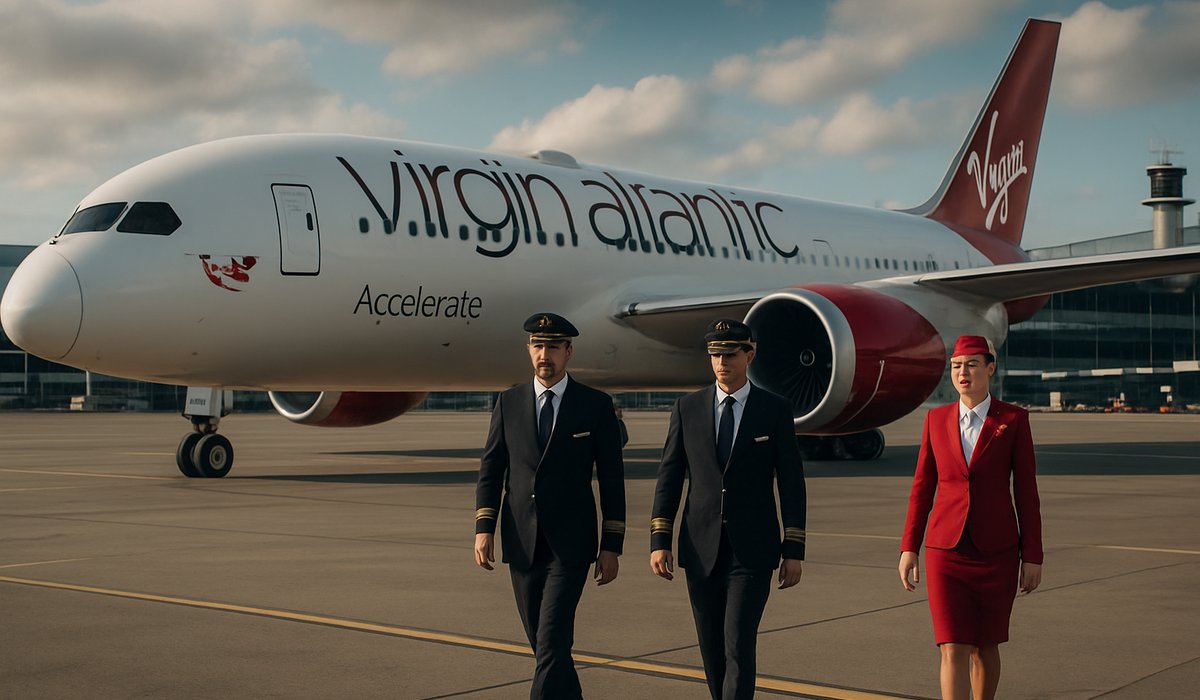
Image generated by AI
Virgin Atlantic Races to Deploy Starlink Wi-Fi by May Amid Intensifying In-Flight Connectivity Competition
UK carrier accelerates satellite internet rollout following British Airways' market entry, signaling rising stakes in premium passenger experience battleground
Competitive Pressure Drives Faster Timeline
Virgin Atlantic has significantly accelerated its satellite internet deployment strategy, announcing plans to equip its first aircraft with Starlink connectivity by May—a substantial advancement from its previously announced third-quarter timeline. The decision underscores mounting competitive pressure within the UK aviation sector, where in-flight connectivity has emerged as a critical differentiator in an increasingly crowded market.
The acceleration directly follows British Airways' rollout of satellite-based internet services across its fleet, marking a watershed moment in how legacy carriers are competing for premium passenger loyalty. Airlines operating in the transatlantic and long-haul markets have identified reliable, high-speed in-flight connectivity as essential infrastructure rather than a luxury amenity, with passengers increasingly expecting seamless digital connectivity at 35,000 feet.
Strategic Implications for the Aviation Industry
The competing deployment schedules between Virgin Atlantic and British Airways reflect broader industry trends reshaping air travel economics. As airlines face sustained pressure from elevated jet fuel costs and volatile operational expenses, differentiation through passenger experience has become a key revenue lever. In-flight connectivity partnerships—particularly with providers like Starlink—allow carriers to justify premium ticket pricing while enhancing onboard services without substantial capital expenditure.
Virgin Atlantic's accelerated timeline suggests the carrier views connectivity parity as non-negotiable in defending market share against established competitors. The move also signals confidence in Starlink's infrastructure maturity and availability, positioning the satellite internet provider as a serious contender in aviation's digital transformation.
Broader Market Context
The aviation industry continues navigating post-pandemic recovery dynamics while contending with inflationary pressures affecting everything from airline fees to maintenance costs. In-flight amenities—including Wi-Fi, entertainment, and seat comfort—have become strategic battlegrounds where carriers differentiate beyond traditional baggage charges and seat selection fees.
European carriers investing in satellite connectivity simultaneously address passenger expectations shaped by consumer technology trends while building resilience against terrestrial network limitations across oceanic routes. This infrastructure investment potentially strengthens airlines' competitive positioning in premium segments where business and leisure travelers increasingly demand uninterrupted connectivity.
Virgin Atlantic's accelerated deployment represents a calculated competitive response rather than mere technological enthusiasm. By advancing its Starlink introduction, the carrier aims to narrow the perceived service gap created by British Airways' earlier market entry, ensuring it maintains parity in the connectivity race that increasingly defines modern air travel competitiveness.
Frequently Asked Questions
When will Virgin Atlantic passengers have access to Starlink Wi-Fi? Virgin Atlantic's first Starlink-equipped aircraft are expected to enter service in May, providing satellite-based connectivity to passengers on select routes.
How does in-flight Wi-Fi connectivity affect airline ticket prices? Airlines typically monetize connectivity as a premium service through separate subscription fees. However, improved connectivity infrastructure can justify higher ticket pricing by enhancing overall travel value and passenger experience.
Why are airlines competing to deploy satellite internet? Airlines view reliable, high-speed in-flight connectivity as essential competitive differentiation, particularly for long-haul flights where passengers expect seamless digital access comparable to ground-based experiences.
What impact does Starlink deployment have on airline operating costs? While initial installation requires capital investment, satellite connectivity partnerships like Starlink reduce long-term operational costs compared to traditional terrestrial-based solutions, particularly for routes over oceans and remote regions.
How does jet fuel pricing influence airlines' investment in passenger amenities? When fuel costs rise, airlines offset margin pressure through ancillary revenue strategies, including premium amenities like upgraded connectivity, justifying infrastructure investments that enhance perceived value.
Related Travel Guides
- India Unleashes First Ever Lakshadweep Seaplane Connectivity Transforming Island Access and Redefining Luxury Escapes for Global Travelers Today
- Southwest Airlines Unveils 'Independence One' Livery to Mark America's 250th Anniversary
- Breaking Airline News: Severe Travel Chaos Averted as Delta Air Lines Launches Historic JFK-Malta Nonstop Flights to Bypass European Gridlock
Disclaimer
This article is for informational and educational purposes only. It does not constitute legal, financial, or professional advice. While we strive to provide accurate and up-to-date information, travel policies, regulations, and conditions change rapidly. Always verify information with official sources before making travel decisions. Nomad Lawyer makes no representations about the accuracy, reliability, completeness, or suitability of the information provided. Readers should consult qualified professionals for advice specific to their circumstances. The views expressed in this article are those of the author and do not necessarily reflect the views of Nomad Lawyer.
Preeti Gunjan
Contributor & Community Manager
A passionate traveller and community builder. Preeti helps grow the Nomad Lawyer community, fostering engagement and bringing the reader experience to life.
Learn more about our team →