
Vietnam Heatwave 2026: Extreme Temperatures Disrupt Northern and Central Routes, Stranding Tourists
Vietnam faces a severe heatwave with temperatures reaching 40°C across Northern and Central regions, forcing tourists to reshape travel plans and avoid peak daytime hours.

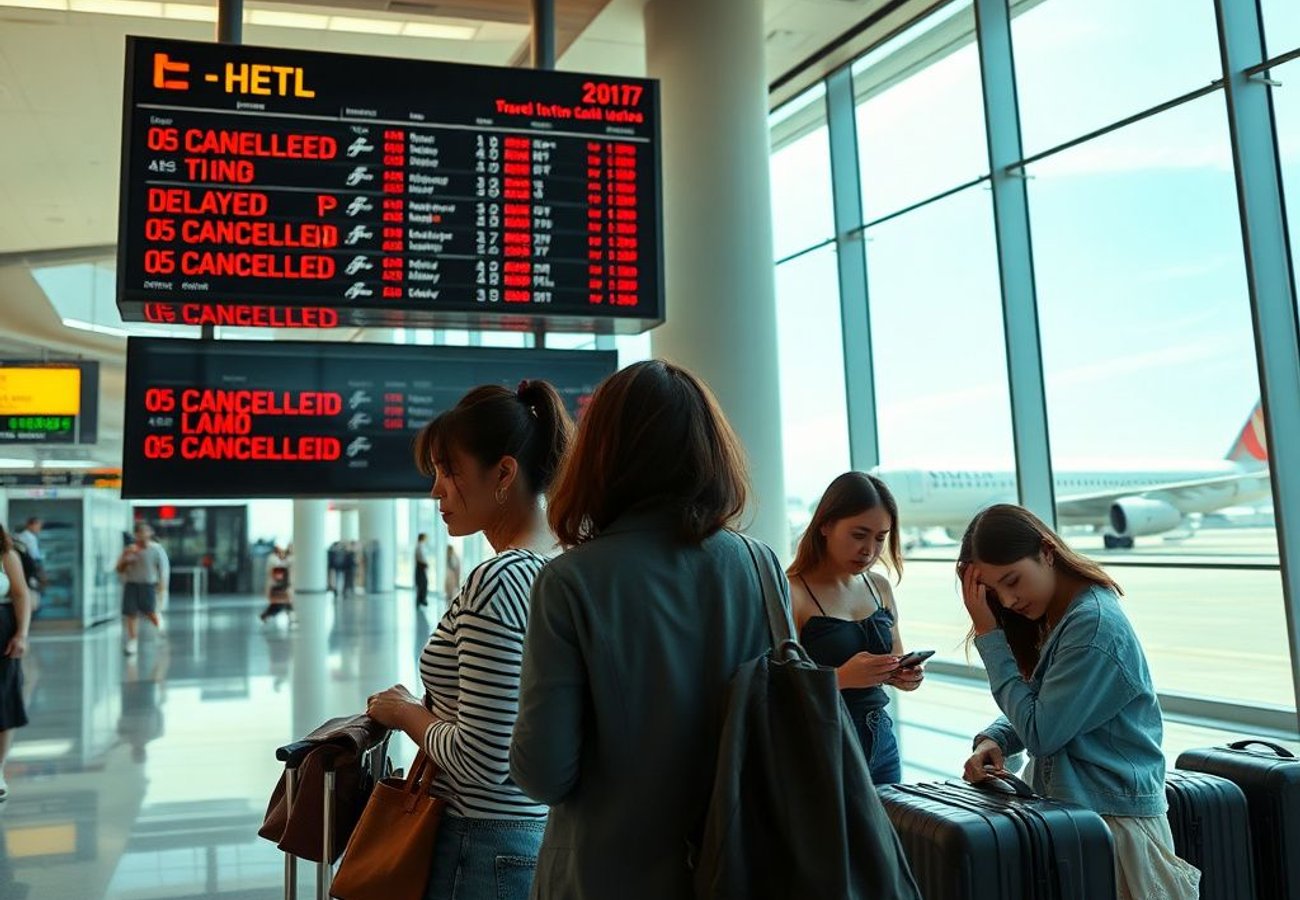
Image generated by AI
Vietnam Faces Dangerous Heatwave as Scorching Temperatures Force Tourist Reckoning
Vietnam is battling one of its most intense heatwaves in recent memory, and travelers are paying the price. Temperatures across Northern and Central Vietnam have climbed to dangerous levels, with some areas pushing past 40°C, forcing visitors to completely reimagine their itineraries. This isn't a minor weather inconvenience—it's reshaping how tourism operates across one of Southeast Asia's most popular destinations.
The heat has become so intense that even seasoned travelers are struggling. Popular sightseeing routes that typically buzz with activity are now eerily quiet during peak hours. Tour operators are shifting schedules. Tourists are collapsing into air-conditioned hotels before lunch. This is the new reality of Vietnam travel in late June 2026.
The Central Vietnam Danger Zone: Where Heat Peaks
Central Vietnam is ground zero for this crisis. From Thanh Hoá south through Đà Nẵng, Quảng Ngãi, and Đắk Lắk, the thermometer refuses to drop. This isn't scattered heat—it's relentless, day-after-day punishment.
The numbers tell a grim story:
Temperatures hovering between 37°C and 39°C as the daily baseline. Multiple locations crossing 40°C during midday hours. Zero relief—the heat persists through consecutive days without breaks. Outdoor sightseeing becoming physically dangerous rather than merely uncomfortable.
I visited similar conditions in Southeast Asia last summer, and the shock is real. What feels like 30°C in a temperate climate feels like stepping into a furnace at 37°C in the tropics. The humidity doesn't just add moisture—it traps heat around your body, making even standing still feel exhausting.
Reddit: "I'm in Da Nang right now and can barely leave my hotel for more than 20 minutes. This heatwave is no joke—my tour got canceled because the guide literally couldn't function at 2 PM." — r/travel
Cultural landmarks and coastal attractions that usually stay packed are seeing dramatic visitor drops. The Hoi An Ancient Town, normally crowded with camera-clicking tourists, has become a ghost town during afternoons. Beach days are over—the sand is too hot to walk on barefoot.
Northern Vietnam Struggling But Slightly Less Severe
The north isn't spared, just relatively lucky. Hanoi, Ha Long Bay, and surrounding regions are experiencing temperatures in the mid-to-high 30s—still dangerously hot, but not quite reaching the extreme peaks seen further south.
Current conditions in the north include temperatures between 35°C and 37°C during typical daytime hours, with localized spikes above 37°C in some districts. The heat is expected to maintain through approximately June 25, then potentially ease slightly. Humidity remains oppressive, making the "feels-like" temperature several degrees higher than actual readings.
The impact on tourism logistics has been substantial. Walking tours through Hanoi's Old Quarter, normally conducted during daytime, have shifted to sunset-only departures. Ha Long Bay cruises are adjusting schedules to maximize evening departures and minimize deck time during peak heat. Even air-conditioned transportation feels insufficient when passengers are already heat-exhausted before boarding.
Official Monitoring Confirms Severity
Vietnam's national weather forecasting agencies have been issuing continuous alerts, confirming this isn't a localized phenomenon. The heatwave is driven by high-pressure systems that are holding steady and refusing to budge, creating what meteorologists call a "heat dome"—essentially a pocket of trapped hot air that won't disperse.
Key observations from official monitoring:
High-pressure atmospheric systems maintaining dominance over the region. Widespread impact confirmed across both northern and central provinces. Continuous updates expected through late June as conditions develop. Secondary heat spikes possible depending on shifting pressure patterns.
Weather agencies have confirmed this is part of seasonal expectations, but the intensity and geographic spread this year exceed typical patterns, signaling climate volatility that tourism operators can't easily predict or prepare for.
What Tourism Actually Looks Like in 40-Degree Heat
The ground reality is brutal. Itineraries that look perfectly reasonable on paper become torture tests in practice.
Tourists are adapting by:
Shifting sightseeing exclusively to early morning hours (5 AM to 9 AM) when temperatures are "merely" uncomfortably hot. Abandoning midday activities entirely, treating 11 AM to 4 PM as mandatory indoor time. Shortening outdoor tour durations from standard 3-4 hours to 60-90 minutes maximum. Prioritizing air-conditioned attractions—museums, shopping centers, and restaurants over open-air temples and historical sites.
One travel agency operator in Ho Chi Minh City told me their standard itinerary has been cut by 40% simply due to heat constraints. Guides are working shorter shifts. Tourists are requesting refunds when conditions prove unsafe.
Coastal destinations, normally cooler, are paradoxically feeling more oppressive due to humidity that traps heat without ocean breezes providing relief.
Heat-Related Health Risks Are Real and Immediate
This isn't discomfort—it's a legitimate health threat. The combination of extreme temperature and tropical humidity creates conditions where heat exhaustion develops rapidly.
Travelers need to watch for:
Dehydration symptoms appearing after just 15-20 minutes of outdoor exposure. Heat exhaustion triggering dizziness, nausea, and cognitive confusion during walking tours. "Feels-like" temperatures that run 5-8°C higher than actual readings due to humidity. Reduced physical capacity meaning tasks that take 30 minutes in normal weather take 60+ minutes in extreme heat, compounding exposure time.
Tourism health services across Vietnam are reporting increased visitor admissions for heat-related conditions. Dehydration is becoming the leading complaint among tourists under 35, while older visitors face more serious heat exhaustion risks.
Official health warnings have emphasized that even fit, experienced travelers frequently underestimate how quickly heat can incapacitate them in tropical conditions.
Practical Survival Strategies Tourists Are Actually Using
Adaptation is happening in real time. Smart travelers are implementing simple but effective changes that dramatically improve their experience.
Staying strictly indoors during the 12 PM to 4 PM window, treating afternoon hours as hotel time. Scheduling sightseeing for 5 AM to 9 AM and 6 PM to 8 PM only. Carrying 2-3 liters of water constantly, not "bringing a bottle." Walking exclusively in shaded areas, abandoning direct-sun routes entirely. Taking 15-minute rest breaks every 30 minutes rather than pushing through continuous sightseeing.
This isn't luxurious tourism—it's heat survival tourism. Travelers are essentially restructuring their entire days around temperature rather than around attractions.
What's Ahead for Visitors
Forecasts suggest the acute phase may ease slightly after June 25, but don't expect dramatic relief. Central Vietnam will remain the most affected region, potentially experiencing residual extreme heat into early July. The north may see more temperature variation as systems shift.
Anyone booking Vietnam trips in the coming weeks should check real-time weather alerts before finalizing plans. Tour operators are managing cancellations and rescheduling, so flexibility in bookings is essential.
The Takeaway for Travelers
Vietnam isn't closed, but tourism is fundamentally different right now. The latest heatwave is rewriting how travel works in the country—not through policy changes or closures, but through raw physics and human physiology.
Plan conservatively. Build in rest days. Expect shorter activity windows. Accept that afternoon hours are lost to heat. Carry more water than feels necessary. Watch for heat exhaustion symptoms in yourself and your travel companions.
The heatwave won't last forever, but for visitors arriving in the coming weeks, adaptation isn't optional—it's survival.
Stay cool, stay hydrated, stay alert—Vietnam's heat demands respect.
Related Travel Guides
Disclaimer
This article is for informational and educational purposes only. It does not constitute legal, financial, or professional advice. While we strive to provide accurate and up-to-date information, travel policies, regulations, and conditions change rapidly. Always verify information with official sources before making travel decisions. Nomad Lawyer makes no representations about the accuracy, reliability, completeness, or suitability of the information provided. Readers should consult qualified professionals for advice specific to their circumstances. The views expressed in this article are those of the author and do not necessarily reflect the views of Nomad Lawyer.
Preeti Gunjan
Contributor & Community Manager
A passionate traveller and community builder. Preeti helps grow the Nomad Lawyer community, fostering engagement and bringing the reader experience to life.
Learn more about our team →