
Asia Flight Turmoil: 23 Cancellations, 483 Delays Strand Thousands
Asia flight turmoil escalates as four major carriers cancel 23 flights and delay 483 more across Shanghai Pudong and Islamabad International in 2026. Thousands of travelers face stranded connections during peak spring travel season.

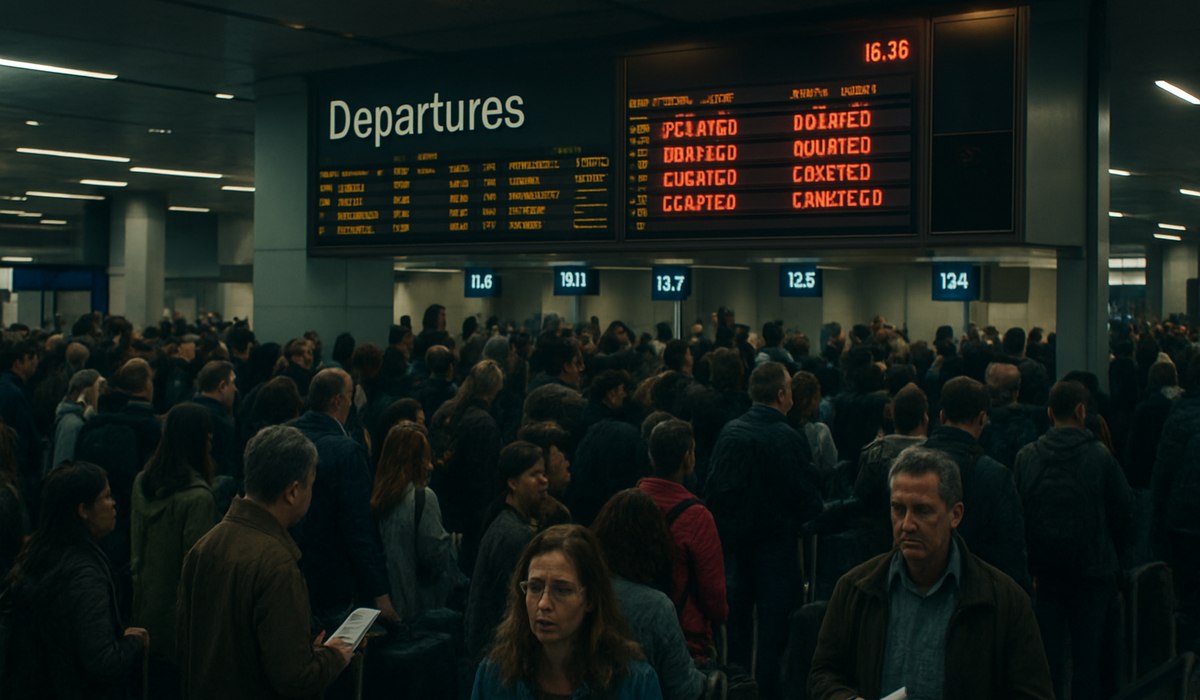
Image generated by AI
Breaking Asia Flight Turmoil: Four Airlines Ground 23 Flights, Delay 483 More
Four major Asian carriers have triggered cascading network disruptions across the region, canceling 23 flights and delaying 483 others within a compressed operating window. The Asia flight turmoil centers on Shanghai Pudong International Airport and Islamabad International Airport, two critical transit hubs serving millions of passengers annually. Thousands of travelers now face stranded connections, missed transfers, and uncertain rebooking options during the peak spring travel season. The concentration of cancellations and delays at these congested hubs has amplified ripple effects throughout Asia Pacific networks, extending delays to Europe, the Middle East, and beyond.
Major Asian Hubs Hit by Fresh Wave of Disruptions
Shanghai Pudong and Islamabad International have become the epicenter of this week's Asia flight turmoil, as flight-tracking data reveals the cascading nature of modern airline operations. Both airports handle enormous volumes of connecting passengers during peak spring months, making them vulnerable to compounding delays. When even a modest number of flights cancel or slip behind schedule, the tight connections that define Asian routing networks collapse rapidly.
Airlines operating from these hubs typically maintain minimal turnaround times between consecutive flights. A single delayed arrival means aircraft and crews arrive late for their next scheduled departure, creating a domino effect across the daily schedule. Passengers booked on tight connections—a common practice for cost-conscious travelers and business professionals—find themselves stranded when their onward flights depart before they land.
Check-in areas at both airports reported severe congestion as passengers attempted immediate rebooking. Crowded boarding gates, extended security lines, and overwhelmed customer service desks became the norm. Late-night departures experienced the worst disruptions, with some travelers waiting through early morning hours while airlines scrambled to locate spare aircraft and crews. During peak spring travel, finding alternative seats on comparable routes proved exceptionally difficult, as most flights operated at or near maximum capacity. Nomadlawyer travelers and digital nomads relying on Asia flight connections faced particular challenges, as their multi-leg journeys became increasingly vulnerable to cascade failures.
Cascading Network Effects Amplify Traveler Impact
The Asia flight turmoil demonstrates how interconnected modern airline networks have become. A technical issue, staffing shortage, or localized disruption at one hub can propagate across entire regional networks within hours. Flight-tracking services like FlightAware have logged thousands of secondary delays triggered by the initial 23 cancellations and 483 delays.
Asia Pacific airlines operate with historically lean capacity margins. Post-pandemic scheduling still reflects years of cost-cutting, with fewer spare aircraft, tighter crew rostering, and higher load factors than existed before 2020. When operational shocks occur—whether mechanical failures, air traffic delays, or crew duty-time violations—backup capacity simply doesn't exist. Airlines cannot quickly source replacement aircraft or pull reserve crews from other bases, particularly for routes serving secondary markets.
Once the cascade begins, it accelerates. A delayed inbound flight means its crew exceeds legal duty-time limits, requiring a fresh crew to be sourced. That crew sourcing generates scheduling delays in other markets. Aircraft sitting in the wrong location force cancellations of planned maintenance and subsequent revenue flights. Within 24 hours, a handful of original cancellations have spawned hundreds of secondary disruptions. This network sensitivity explains why 23 initial cancellations ultimately generated 483 delays—a 20-fold amplification across the system.
Operational Strains Exposed Across Airline Networks
Asia Pacific carriers remain structurally vulnerable to disruption. Recent industry analysis reveals that regional airlines still adjust to full post-pandemic capacity while operating thinner margins than pre-2020 standards. Tight aircraft rotations mean every flight depends on the previous leg running on time. Lean staffing models leave no buffer for unexpected crew absences or duty-time breaches. High load factors—often 85% or higher—mean few empty seats exist for rebooking stranded passengers.
When disruption strikes, the consequences cascade uncontrollably. A single aircraft experiencing technical issues doesn't just cancel its flight; it removes that aircraft from rotation for hours, affecting every subsequent scheduled service. Crews reaching legal duty limits must rest, forcing overnight cancellations across multiple routes. Because Asia's spring season fills flights weeks in advance, alternative seats on competing airlines are frequently unavailable.
Broader global monitoring data supports this assessment. In March and April 2026, thousands of cancellations and tens of thousands of delays were logged worldwide by aviation tracking services. Asia Pacific airports contributed disproportionately to these figures, indicating systemic vulnerability across the region. The current Asia flight turmoil affecting Shanghai Pudong and Islamabad International reflects these deeper structural pressures, not isolated operational failures.
What This Means for Remote Workers and Digital Nomads
Digital nomads, frequent business travelers, and remote workers depend on reliable Asia Pacific connections. This week's Asia flight turmoil illustrates why travel planning in the region requires flexibility and contingency options. When four major carriers simultaneously experience the cancellation and delay cascade documented this week, rebooking becomes exceptionally difficult for travelers with complex itineraries.
Multi-leg journeys—common among nomads connecting South Asia, the Gulf, and Europe—face heightened vulnerability. A single missed connection can invalidate subsequent flight segments purchased on separate tickets, leaving travelers stranded without automatic rebooking protections. Hotel reservations, conference attendance, and work schedules all collapse when connecting flights disappear.
Industry guidance emphasizes that travelers must expect prolonged assistance delays during major disruptions. Meal vouchers, hotel accommodations, and customer service support vary widely between carriers and airports. Passengers often must absorb initial costs for meals, transportation, and lodging while waiting for airline reimbursement. Travel insurance that covers disruptions, missed connections, and consequential expenses becomes invaluable during Asia flight turmoil events.
Traveler Action Checklist
If your Asia Pacific flights are affected by cancellations or delays:
-
Check real-time status immediately on FlightAware or your airline app rather than relying on airport announcements.
-
Contact your airline directly through official channels before approaching customer service desks; phone and app-based rebooking often proves faster than in-person queues.
-
Document all expenses incurred during disruption (meals, hotels, ground transportation) with receipts for later reimbursement claims.
-
Understand your rights under applicable regulations by consulting US DOT consumer guidelines for international routes and relevant regional authorities.
-
Verify onward connections with connecting airlines immediately after rebooking to confirm subsequent segments remain valid and confirmed.
-
Secure accommodation early if overnight delay becomes inevitable, as nearby hotels fill rapidly during hub disruptions.
-
Retrieve your baggage if rebooking onto a flight more than 12 hours later, reducing loss risk during extended connections.
Key Disruption Data Summary
| Metric | Details |
|---|---|
| Flights Canceled | 23 across four major carriers |
| Flights Delayed | 483 across regional network |
| Primary Affected Hubs | Shanghai Pudong International, Islamabad International |
| Passenger Impact | Thousands stranded across Asia Pacific routes |
| Cascade Effect | 20-fold delay multiplication from initial cancellations |
| Peak Disruption Window | Spring travel season (April 2026) |
| Primary Cause | Network cascade from operational constraints |
| Recovery Timeline | Multi-day backlog in tight aircraft/crew schedules |
Frequently Asked Questions About Asia Flight
Disclaimer
This article is for informational and educational purposes only. It does not constitute legal, financial, or professional advice. While we strive to provide accurate and up-to-date information, travel policies, regulations, and conditions change rapidly. Always verify information with official sources before making travel decisions. Nomad Lawyer makes no representations about the accuracy, reliability, completeness, or suitability of the information provided. Readers should consult qualified professionals for advice specific to their circumstances. The views expressed in this article are those of the author and do not necessarily reflect the views of Nomad Lawyer.
Preeti Gunjan
Contributor & Community Manager
A passionate traveller and community builder. Preeti helps grow the Nomad Lawyer community, fostering engagement and bringing the reader experience to life.
Learn more about our team →