
Vietnam Caving: Son Doong and the Deep-Earth Tourism Boom
Vietnam leads the deep-earth caving boom, with Son Doong Cave drawing extreme adventurers. Read our guide to caving, conservation, and travel tips.

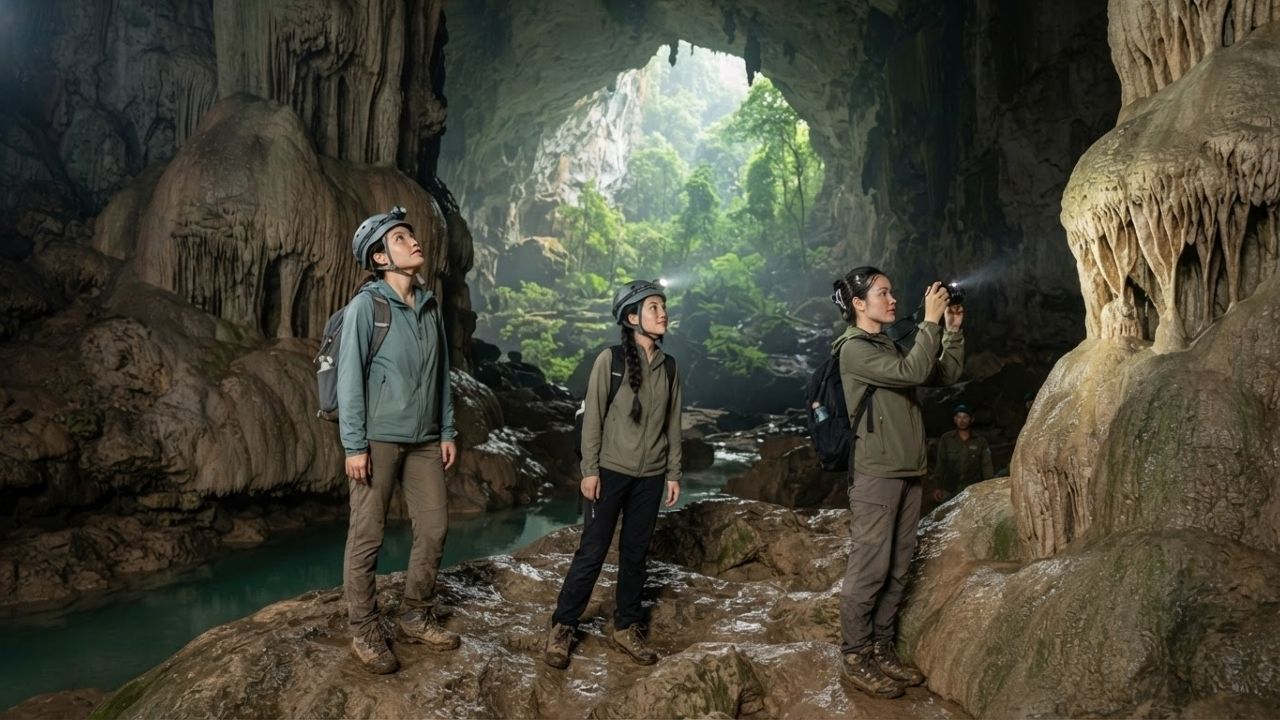
Image generated by AI
Vietnam is leading a global deep-earth tourism boom as extreme adventurers trade crowded mountain summits for colossal subterranean caving networks. Explorers are descending into the massive limestone chambers of Phong Nha-Kẻ Bàng National Park, discovering a remote world of absolute silence and isolated ecosystems.
The Subterranean Frontier: Abandoning the Peaks
In the twenty-first century, speleology and subterranean expeditions have emerged as the ultimate frontier in modern adventure travel. Thrill-seekers looking for genuine isolation are turning away from congested high-altitude summits, choosing instead to traverse deep caving networks, underground rivers, and remote geological formations.
Descending far beneath the Earth’s crust requires physical endurance, navigation skills, and psychological resilience to manage vertical drops and narrow rock chambers. The appeal lies in experiencing absolute silence, sensory deprivation, and unmapped territory untouched by traditional tourist infrastructure.
Global Hotspots of Subterranean Exploration
Different geological regions offer contrasting underground environments that suit varying technical caving skills and conservation goals.
| Destination | Primary Caving Hub | Signature Subterranean Feature | Key Attraction & Ecosystem |
|---|---|---|---|
| Vietnam | Phong Nha-Kẻ Bàng National Park Portal | Son Doong Cave | Colossal jungle dolines and internal weather systems |
| Slovenia | Postojna Cave Park | Karst topography and cave rail | Blind salamander (Proteus anguinus) habitats |
| Mexico | Yucatán Peninsula | Sistema Sac Actun | Flooded cave diving networks and Mayan archaeology |
| Oman | Al Hajar Mountains | Hoota Cave & Bimmah Sinkhole | Massive limestone chambers and structural collapses |
Vietnam: The Subterranean Giants
Phong Nha-Kẻ Bàng National Park is home to the world's largest caves, including Son Doong. These underground spaces are large enough to house their own weather systems, complete with localized clouds, rain, and massive jungle dolines where sunlight breaches the subterranean dark.
Slovenia: Classic Karst Formations
Slovenia features historic karst terrains, offering an accessible underground railway system in Postojna Cave. The cave is famous for preserving delicate cave-adapted species, including the blind salamander, known locally as the "human fish."
Mexico: Sacred Mayan Cenotes
Mexico's caving appeal is built around the Yucatán Peninsula's flooded cave networks, such as Sistema Sac Actun. These flooded paths are popular for cave diving, preserving ancient freshwater ecosystems alongside Mayan archaeological relics.
Oman: Arid Limestone Labyrinths
Oman provides a sharp contrast with dry limestone chambers deep within the Al Hajar mountain range. Key features include the Bimmah Sinkhole collapse structure and the massive corridors of Hoota Cave.
Protecting Fragile Subterranean Biospheres
Subterranean systems host highly specialized extremophiles and delicate caving mold networks that survive without sunlight by using organic debris and chemosynthesis. Having evolved in stable microclimates, these isolated biological communities are vulnerable to slight changes in temperature, humidity, and air quality brought by human visitors.
Preserving these biospheres requires low-impact caving techniques, strict entry quotas, and mandatory biodegradable gear policies to protect the groundwater tables and geological structures.
To support sustainable management, national park authorities enforce strict booking rules. For highly protected systems like Son Doong Cave, reservation lists often extend one to two years in advance. These rules ensure that caving adventures can continue without causing damage to the pristine underground environment.
Local Insider Secrets for Savvy Holiday Travelers
To experience caving destinations safely and sustainably, implement these tips:
- Off-Peak Booking Strategy: Son Doong Cave has strict visitor limits. If the waitlist is full, consider booking Hang Pygmy or Hang En through licensed operators, which offer similar colossal chambers without the multi-year wait.
- Keep Temperatures in Mind: Postojna Cave in Slovenia remains at a constant chily temperature of 10°C (50°F) year-round. Bring warm clothing for the underground train ride, regardless of summer heat outside.
- Caving Etiquette: Never touch stalactites or stalagmites. The natural oils on human skin can permanently stop the mineral growth process.
- Observe Cave Wildlife: If you spot cave-adapted wildlife, such as the blind salamander in Postojna, turn off direct camera flashes, as bright lights can harm these sensitive organisms.
- Try Local Delicacies: In the Phong Nha region, stop by local riverside restaurants to try regional grilled chicken seasoned with wild mountain pepper.
Sustainable Tourism and Direct Community Support
For the traveler, deep-earth tourism offers a way to directly support local communities. In the Phong Nha region, caving companies employ former loggers as conservation guides, safety experts, and porters. This provides high-wage employment, reduces illegal logging, and gives local families a direct interest in protecting the national park.
By choosing licensed tour operators, staying in locally owned guesthouses, and using low-emission electric shuttle systems to access cave trailheads, travelers help protect these ancient underground spaces while supporting sustainable development.
Related Travel Guides
Disclaimer
This article is for informational and educational purposes only. It does not constitute legal, financial, or professional advice. While we strive to provide accurate and up-to-date information, travel policies, regulations, and conditions change rapidly. Always verify information with official sources before making travel decisions. Nomad Lawyer makes no representations about the accuracy, reliability, completeness, or suitability of the information provided. Readers should consult qualified professionals for advice specific to their circumstances. The views expressed in this article are those of the author and do not necessarily reflect the views of Nomad Lawyer.
Raushan Kumar
Founder & Lead Developer
Full-stack developer with 11+ years of experience and a passionate traveller. Raushan built Nomad Lawyer from the ground up with a vision to create the best travel and law experience on the web.
Learn more about our team →