
Vermont Tourism Crisis 2026: Canadian Visits Drop 40% Amid US-Canada Trade Tariffs
Vermont reports a 40% decline in Canadian tourism as political rhetoric and new 50% tariffs disrupt cross-border travel and economic stability.

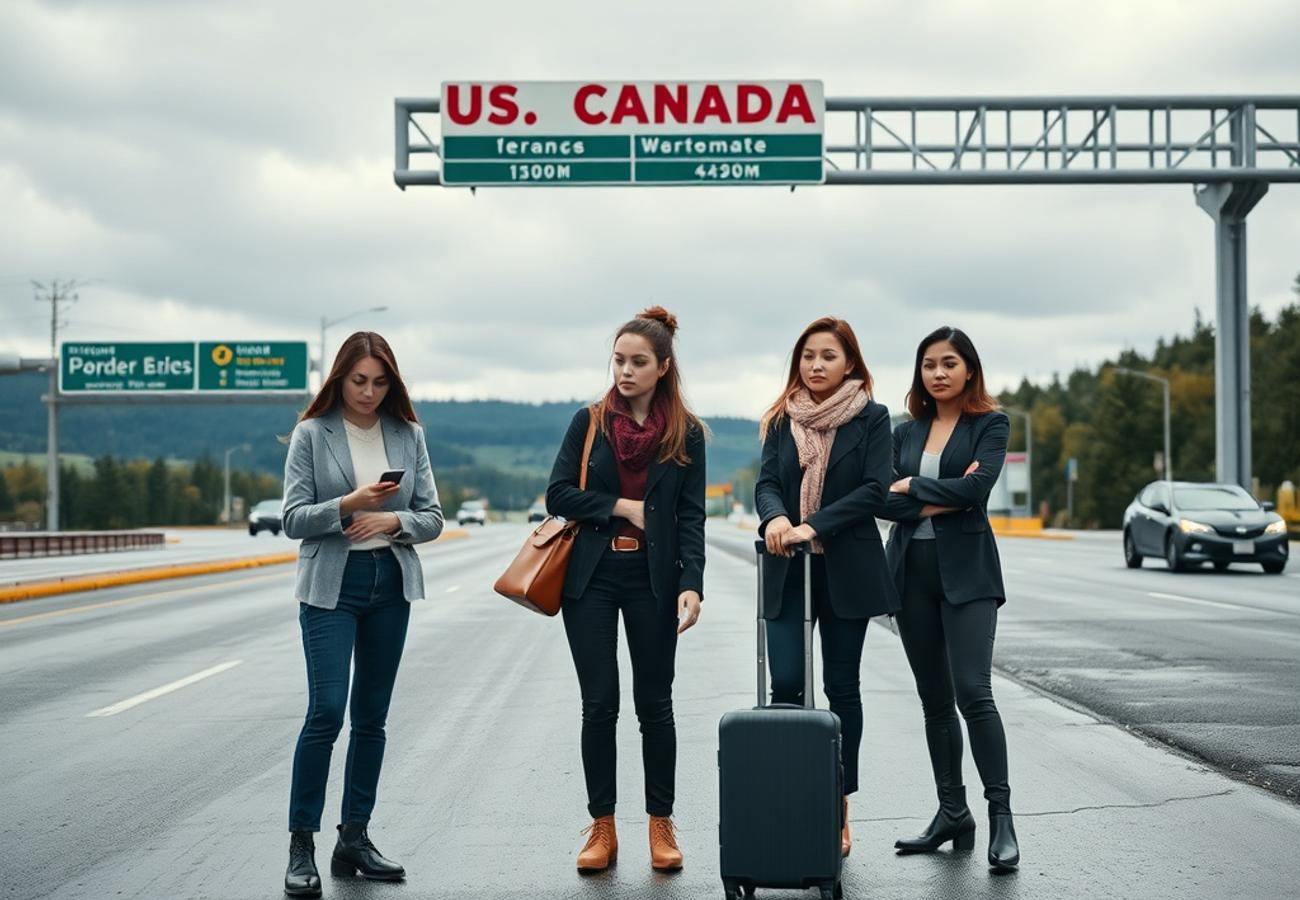
Image generated by AI
Headline Options:
- Factual/News: Vermont Reports 40% Drop in Canadian Tourism as 50% Trade Tariffs and Political Rhetoric Strain US-Canada Border Travel in 2026
- Curiosity-Gap (Discover): The "Not Right Now" Effect: Why Thousands of Canadians are Suddenly Boycotting Vermont
- Problem-Solving (Search): Traveling from Canada to Vermont in 2026: What to Know About Border Tensions and New Tariffs
The border between Vermont and Quebec is facing a severe economic contraction as Canadian visitor numbers plummet by nearly half, triggered by escalating trade wars and diplomatic friction.
The Disruption Details
On July 22, 2026, during the President's Trade Policy Agenda, Senator Peter Welch revealed a 40% decline in Canadian visits to Vermont. The downturn is attributed to a combination of aggressive political rhetoric and the imposition of a 50% tariff on various imported Canadian goods, announced on July 21, 2026.
These tariffs, designed to address "unequal treatment of U.S. commerce," are scheduled to take full effect on August 19, 2026. The resulting atmosphere has created a "not right now" behavioral shift among Canadian travelers, leading to a significant boycott of the state's tourism sector.
Flight & Airport Impact Breakdown
While the disruption is primarily land-border based, the economic ripple effects are evident across the region's hospitality and transit hubs:
- Economic Loss: Estimated $75 million in lost spending since the start of the current administration.
- Historical Baseline: Annual visits from Canadians previously averaged 750,000, contributing $150 million to the economy.
- Sector Impact: Severe revenue declines reported in accommodations, food services, and alcohol sales.
- Previous Trends: Canadian traffic had already decreased by 25% to 30% throughout 2025.
- Recent Volatility: Despite the overall drop, Canadian credit card spending saw a 58% boost in April 2026 and a 40% increase in May 2026 compared to 2025.
Passenger Rights & Advisory
For the Canadian traveler planning a trip to the U.S. Northeast, the current geopolitical climate introduces specific risks and considerations.
Border Crossing and Documentation Our analysis of recent border trends suggests increased scrutiny at ports of entry. Travelers should ensure all passports are fully compliant, as U.S. Customs and Border Protection (CBP) has recently increased enforcement regarding passport validity and biometric data.
Financial Implications The introduction of the 50% tariff on Canadian goods may lead to price inflation for imported products within Vermont. Travelers should expect higher costs for specific cross-border commodities.
Rebooking and Cancellations For those who have booked hotels or tours in Vermont and wish to cancel due to the current political climate:
- Review Terms: Most "non-refundable" rates are strictly enforced unless a formal government travel advisory is issued.
- Force Majeure: Political rhetoric rarely qualifies as a force majeure event for insurance claims.
- Local Incentives: The "100% Love for Canada" initiative by Vermont Vacation currently offers special deals and discounts to entice visitors back; travelers should check for these vouchers before rebooking.
Industry Analyst View
The situation in Vermont serves as a case study in how "soft" diplomacy—or the lack thereof—directly impacts "hard" economic data. The 40% drop in tourism is not a result of infrastructure failure, but a psychological shift in consumer behavior.
When a destination is framed as unwelcoming through high-level political rhetoric, the perceived risk to the traveler increases, regardless of the actual safety of the destination. The upcoming August 19 tariff deadline creates a critical window; if diplomatic tensions do not ease, the summer recovery seen in April and May credit card spending will likely be erased.
The economic viability of Vermont's border towns now rests on the ability of state officials to decouple local tourism from federal trade disputes.
Related Travel Guides
Disclaimer
This article is for informational and educational purposes only. It does not constitute legal, financial, or professional advice. While we strive to provide accurate and up-to-date information, travel policies, regulations, and conditions change rapidly. Always verify information with official sources before making travel decisions. Nomad Lawyer makes no representations about the accuracy, reliability, completeness, or suitability of the information provided. Readers should consult qualified professionals for advice specific to their circumstances. The views expressed in this article are those of the author and do not necessarily reflect the views of Nomad Lawyer.

Kunal K Choudhary
Co-Founder & Contributor
A passionate traveller and tech enthusiast. Kunal contributes to the vision and growth of Nomad Lawyer, bringing fresh perspectives and driving the community forward.
Learn more about our team →