
Venice, Paris, and Madrid Luxury Hotel Openings: Europe's High-End Hospitality Pipeline 2026–2027
Europe's luxury hospitality sector is undergoing a massive transformation with landmark hotel openings in Venice, Paris, and Madrid scheduled for 2026–2027, focusing on heritage restoration and ultra-premium wellness.

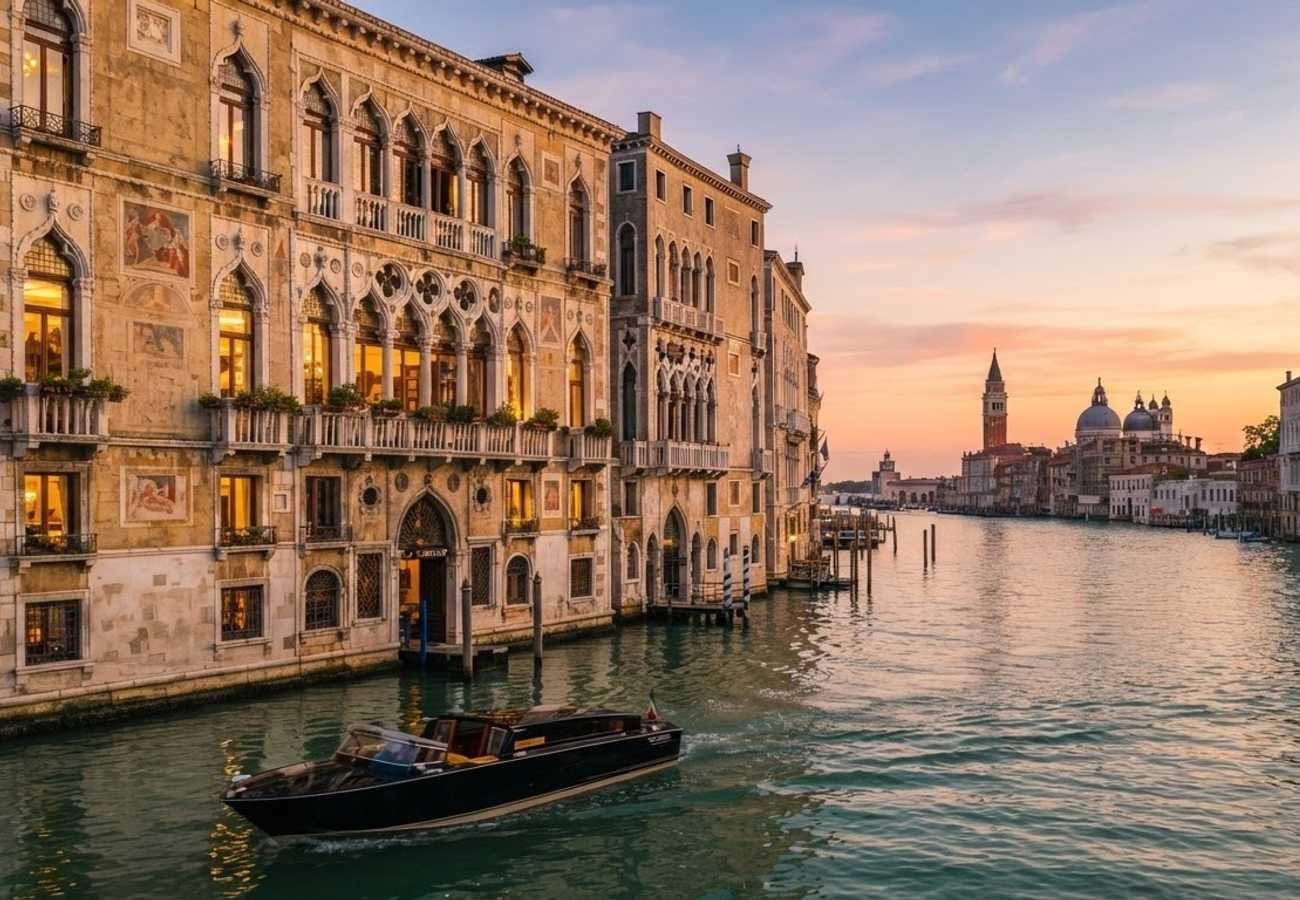
Image generated by AI
Europe is entering a high-velocity phase of hospitality expansion, with a surge of ultra-luxury openings across 2026 and 2027. From the canals of Venice to the alpine peaks of Switzerland, the continent is pivoting toward "heritage luxury"—the conversion of historic landmarks into exclusive retreats.
The shift in Europe's hospitality strategy marks a move away from generic luxury toward destination storytelling. International hotel groups are increasingly investing in the adaptive reuse of palaces, villas, and historic estates to satisfy a growing demand for authenticity and cultural immersion among high-net-worth travelers.
The Rise of Heritage Restoration in Luxury Travel
The current pipeline reveals a clear preference for historic restorations over new construction. By transforming existing cultural landmarks, operators are providing an emotional connection to the destination that modern builds cannot replicate.
This trend is most evident in Italy, where the focus is on preserving original architectural character while integrating contemporary standards of service and wellness. This approach not only attracts premium visitors but also aligns with sustainable tourism goals by reducing the environmental impact associated with new building projects.
Regional Hotspots for Premium Hospitality
Venice: The Epicenter of Luxury Transformation
Venice is currently the most active market for high-end developments. The city is seeing a concentration of projects that blend 15th-century architecture with modern luxury, ensuring the city remains a primary draw for the global elite. Key projects include the restoration of legendary properties and the introduction of world-renowned brands like Orient Express and Four Seasons.
Beyond Italy: Paris, Madrid, and the Alps
While Italy leads in volume, other European hubs are strengthening their luxury offerings:
- Paris: The arrival of ultra-luxury properties is intensifying competition in the city's high-end segment.
- Spain: Near Madrid, the focus is shifting toward countryside luxury and wellness retreats.
- Switzerland & Greece: Alpine regions and Aegean islands are developing year-round luxury destinations, moving beyond seasonal tourism.
Landmark Hotel Openings and Specifications (2026–2027)
The following table details the specific properties, brands, and expected launch dates that will redefine the European luxury market.
| Hotel | Destination | Expected Opening | Brand / Operator | Key Features |
|---|---|---|---|---|
| Orient Express Venezia | Venice, Italy | 2026 | Orient Express | Restored 15th-century palazzo; luxury suites and refined dining. |
| Airelles Palladio Venezia | Venice, Italy | 2026 | Airelles | Historic buildings with gardens, pools, and personalized service. |
| Danieli, Venezia, A Four Seasons Hotel | Venice, Italy | 2026 | Four Seasons | Restoration of the legendary Hotel Danieli; lagoon views. |
| La Réserve Firenze | Florence, Italy | 2026 | Michel Reybier Hospitality | Intimate palace-style property with private residences. |
| Mandarin Oriental Cristallo, Cortina | Cortina d’Ampezzo, Italy | 2026 | Mandarin Oriental | Alpine luxury focused on wellness and year-round tourism. |
| Rosewood Hotel Bauer | Venice, Italy | 2026–2027 | Rosewood Hotels & Resorts | Restoration of the historic Bauer property. |
| Raffles Lake Como | Lake Como, Italy | 2027 | Raffles Hotels & Resorts | Ultra-luxury lakeside restoration project. |
| The Lake Como EDITION | Lake Como, Italy | 2026 | EDITION Hotels | Contemporary luxury blending heritage architecture with modern design. |
| Six Senses Quexigal Palace | Near Madrid, Spain | 2027 | Six Senses | Historic estate conversion focusing on sustainability and wellness. |
| The Maybourne Saint-Germain | Paris, France | 2027 | Maybourne Group | Ultra-luxury addition to the Paris hospitality segment. |
| The Park Gstaad, A Four Seasons Hotel | Gstaad, Switzerland | 2027 | Four Seasons | Alpine retreat redevelopment for luxury leisure. |
| Luura Cliff | Paros, Greece | 2026 | Independent luxury resort | Adults-only Aegean retreat with contemporary Cycladic design. |
| Cambridge House, Auberge Collection | London, UK | 2026 | Auberge Resorts Collection | First UK property; luxury urban social destination. |
Strategic Shifts in Guest Expectations
The acceleration of these openings is a direct response to evolving traveler psychology. Modern luxury guests are no longer seeking just a room; they are seeking an ecosystem of wellness, gastronomy, and exclusivity.
The integration of high-end wellness facilities into historic estates—such as the Six Senses project in Spain—demonstrates the industry's move toward "holistic luxury." By combining nature, heritage, and health, brands are creating new reasons for high-value travelers to return to established destinations.
Key Takeaways
- Heritage Over New Build: The 2026–2027 trend favors the restoration of palaces and historic estates over new construction.
- Italy's Dominance: Venice is the primary hub for luxury growth, with multiple landmark openings from Four Seasons, Rosewood, and Orient Express.
- Diversification of Luxury: New properties are expanding into "lifestyle luxury," blending urban social hubs (London) with alpine wellness (Switzerland/Italy).
- Sustainability through Reuse: Adaptive reuse of historic buildings is serving as a primary strategy for sustainable luxury development.
FAQ
Which city is seeing the most luxury hotel growth in Europe for 2026? Venice, Italy, is the most active market, with several high-profile restorations including the Orient Express Venezia and the Four Seasons Danieli.
What is the "heritage restoration" trend in hospitality? It is the process of converting historic landmarks, such as 15th-century palazzos or old estates, into luxury hotels to provide guests with a sense of authenticity and cultural connection.
Are these new luxury hotels focused only on city centers? No. While Paris and Venice are key, there is a significant push toward luxury retreats in nature, such as the alpine resorts in Cortina d’Ampezzo and Gstaad, and the countryside in Spain.
The European luxury market is no longer just about prestige—it is about the preservation of history through the lens of modern exclusivity.
Related Travel Guides
Disclaimer
This article is for informational and educational purposes only. It does not constitute legal, financial, or professional advice. While we strive to provide accurate and up-to-date information, travel policies, regulations, and conditions change rapidly. Always verify information with official sources before making travel decisions. Nomad Lawyer makes no representations about the accuracy, reliability, completeness, or suitability of the information provided. Readers should consult qualified professionals for advice specific to their circumstances. The views expressed in this article are those of the author and do not necessarily reflect the views of Nomad Lawyer.
Raushan Kumar
Founder & Lead Developer
Full-stack developer with 11+ years of experience and a passionate traveller. Raushan built Nomad Lawyer from the ground up with a vision to create the best travel and law experience on the web.
Learn more about our team →