
Seibu Prince Hotels Expands Global Footprint: Japanese Hospitality Powerhouse Targets 100 Properties and 2029 Bangkok Landmark
Seibu Prince Hotels expands its global portfolio from 45 to nearly 100 properties, pairing 65 hotels in Japan with high-end resort transformations in Karuizawa and a luxury Bangkok flagship for 2029.

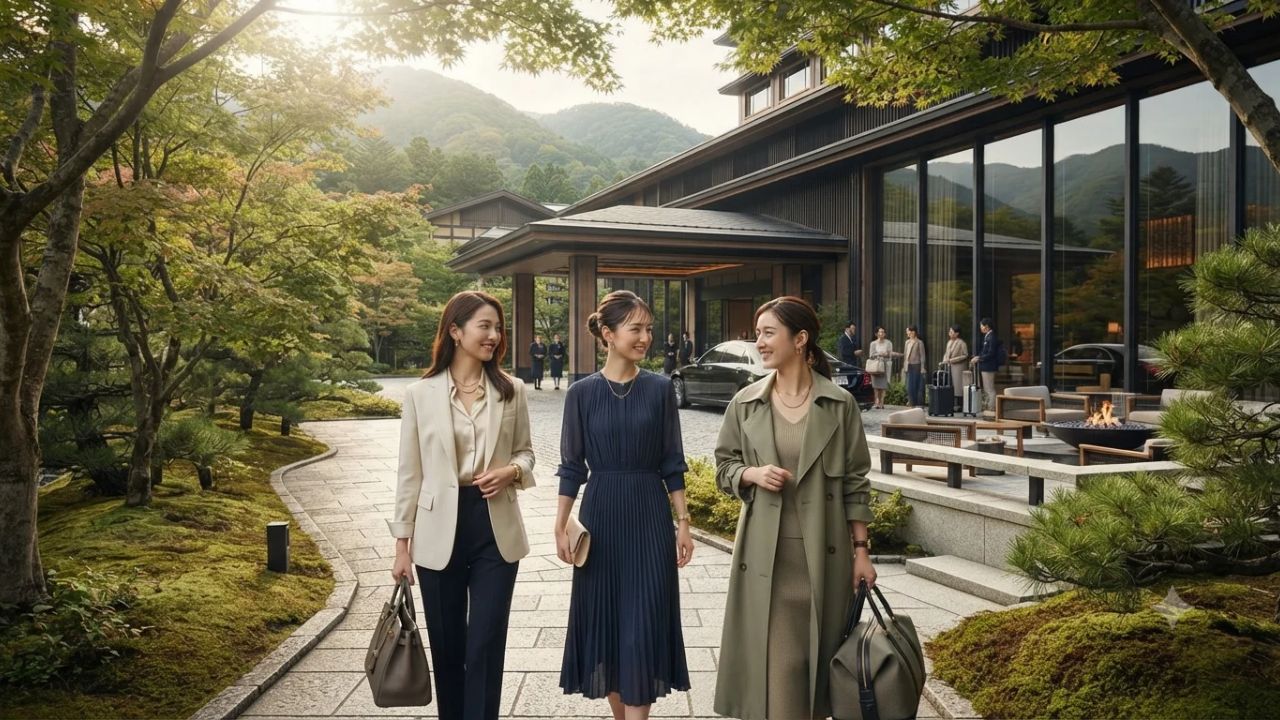
Image generated by AI
From historic hot-spring sanctuaries in Hakone to the high-altitude forests of Karuizawa, Japan's iconic Seibu Prince Hotels is doubling its global footprint from 45 properties to nearly 100 luxury and lifestyle hotels worldwide. Unveiled at the IHIF Asia 2026 hospitality investment forum by development leader Jeremy Gillet, the expansion anchors the group's domestic core of 65 Japanese properties while establishing luxury beachheads in Taiwan, Vietnam, and a landmark skyscraper resort in Bangkok targeted for 2029.
Blending Traditional Omotenashi with Global Lifestyle Hospitality
The evolution of Seibu Prince Hotels—the hospitality flagship of Japan's Seibu Group—reflects a sophisticated recalibration of Asian luxury travel. Rather than competing purely on room inventory, the group is repositioning its legacy assets around authentic Japanese cultural experiences, wellness-driven hot-spring sanctuaries, and tailored culinary programs.
Over the past decade, strategic acquisitions laid the foundation for international expansion. The group acquired Australia's StayWell Holdings in 2017, followed by another Prince Hotel acquisition in 2025, expanding its operational reach into key international leisure and business corridors.
Despite macroeconomic headwinds in the Japanese domestic market, including rising interest rates and inflated construction costs, high-end visitor demand remains exceptionally resilient. Travelers exploring with the Japan National Tourism Organization increasingly seek immersive, heritage-rooted accommodations in cultural centers like Tokyo, Kyoto, and Osaka, alongside secluded mountain and hot-spring retreats.
The Domestic Blueprint: Repositioning Iconic Japanese Mountain and Onsen Resorts
While overseas development accelerates, Japan remains the commercial anchor of Seibu Prince Hotels. The company is actively executing comprehensive capital redevelopments across its premier mountain and coastal resorts:
- Hokkaido Alpine Preserves: Upgrading winter ski lodges and summer nature retreats in Furano and Niseko to cater to year-round outdoor adventure travelers seeking powder skiing, hiking trails, and regional dairy gastronomy.
- Karuizawa Mountain Sanctuary: Repositioning classic forest retreats located just an hour from Tokyo via the Hokuriku Shinkansen, blending traditional wooden architecture with contemporary spa facilities and golf amenities.
- Hakone Thermal Springs: Redesigning traditional hot-spring ryokan retreats overlooking Lake Ashi and Mount Fuji, focusing on private open-air onsen baths and seasonal multi-course kaiseki dining.
- Urban Flagships in Tokyo & Kyoto: Elevating luxury lifestyle accommodations in the historic capital of Kyoto and central Tokyo, offering tranquil tea-ceremony courtyards in the heart of high-speed urban districts.
Seibu Prince Hotels Portfolio & Expansion Pipeline
| Property / Market | Geographic Region | Room Concept & Heritage Role | Key Experience or Timeline |
|---|---|---|---|
| Tokyo & Kyoto Urban Flagships | Kanto & Kansai, Japan | High-end city luxury & heritage cultural stays | Central transit access, private Japanese gardens, tea rooms |
| Karuizawa & Hakone Resorts | Nagano & Kanagawa, Japan | Forest wellness retreats & natural thermal onsen | Mountain biking, hot-spring baths, Shinkansen proximity |
| Hokkaido Resort Collection | Northern Japan | Four-season ski lodges & summer alpine nature | Direct ski-in/ski-out access, regional farm-to-table dining |
| Bangkok Flagship (Target 2029) | Chao Phraya River, Thailand | Ultra-luxury skyscraper resort & Japanese dining | Joint development with Japanese construction partners |
| Taiwan & Vietnam Pipeline | Southeast & East Asia | Boutique coastal and urban lifestyle hotels | Expanding brand equity across emerging travel hubs |
| StayWell Network (Acquired 2017) | Australia & Asia-Pacific | Business, leisure, and coastal lifestyle properties | Regional network connectivity across Australasia |
Overseas Frontier: The 2029 Bangkok Landmark
The most anticipated international milestone in Seibu Prince's pipeline is a dedicated luxury hotel development in Bangkok, Thailand. Developed in collaboration with seasoned Japanese construction and real estate operations partners, the project is scheduled to open its doors around 2029.
Partnering with the Tourism Authority of Thailand, the property is designed to introduce refined Japanese hospitality to one of the world’s most visited international leisure capitals. The hotel will pair Japanese architectural minimalism and wellness spas with Bangkok’s culinary and riverside culture.
In parallel, active site evaluations in Vietnam’s coastal resort belts (including Da Nang and Phu Quoc) and Taiwan’s cultural cities allow the group to establish long-term partnerships with reputable real estate asset owners, ensuring sustainable brand equity across Southeast Asia.
Visitor Insider Tips for Booking Seibu Prince Resorts in Japan
To experience the best of Seibu Prince’s Japanese properties, seasoned travelers plan around seasonal rhythms and transport passes.
- Shinkansen Onsen Access: For trips to Karuizawa Prince Hotel, purchase a JR Tokyo Wide Pass or JR East Pass. The bullet train delivers travelers from Tokyo Station to Karuizawa in just 65 minutes, with complimentary shuttle buses connecting directly to the resort chalets.
- Hakone Lake Views: When reserving rooms at The Prince Hakone Lake Ashinoko, request lake-view rooms in the main circular wing designed by master architect Togo Murano, offering direct sunrise panoramas over Mount Fuji across the water.
- Ski Season Booking Window: For Hokkaido winter stays in Furano, booking windows open six to eight months in advance. Secure reservations by late summer to lock in peak powder season chalets between January and February.
- Onsen Etiquette: Always wash thoroughly at the seated shower stations before stepping into communal thermal pools, and avoid bringing large bath towels into the hot-spring mineral water.
Cultural and Environmental Context
The architectural philosophy of Japanese hospitality (omotenashi) is rooted in deep harmony with the natural environment. In pristine resort regions like Hakone National Park and the alpine forests of Karuizawa, Seibu Prince Hotels operates under strict environmental conservation guidelines, utilizing closed-loop geothermal heating systems and sourcing seasonal produce directly from local mountain farmers.
By redeveloping existing historical properties rather than constructing destructive new mega-resorts on greenfield wilderness, the group preserves the architectural heritage of post-war Japanese design while reducing embodied construction carbon emissions.
This deliberate balance between architectural preservation, ecological stewardship, and international expansion ensures that travelers from Tokyo to Bangkok experience a deeply respectful, authentic form of luxury hospitality.
FAQ: Seibu Prince Hotels Expansion
How many hotels does Seibu Prince Hotels operate in Japan?
Seibu Prince Hotels operates approximately 65 hotels and destination resorts across Japan, with heavy concentrations in Tokyo, Kyoto, Osaka, Karuizawa, Hakone, and Hokkaido.
When is the new Seibu Prince luxury hotel in Bangkok scheduled to open?
The luxury hotel project in Bangkok, developed in partnership with Japanese engineering and development firms, is currently targeted to open in 2029.
What loyalty benefits apply across Seibu Prince properties?
Members of Seibu Prince Global Rewards earn points redeemable for room upgrades, complimentary breakfasts, onsen access, and dining privileges across properties in Japan and worldwide.
Can international travelers book ski chalets and onsen ryokans directly?
Yes. Seibu Prince Hotels offers full multilingual booking portals for international travelers, including bundled ski-pass packages and kaiseki dining reservations.
Whether soaking in sulfur springs beneath Mount Fuji or gazing over the Chao Phraya River, true hospitality remains an art of quiet grace.
Related Travel Guides
Kyoto to Hakone Luxury Ryokan and Scenic Shinkansen Transit Guide 2027
Disclaimer
This article is for informational and educational purposes only. It does not constitute legal, financial, or professional advice. While we strive to provide accurate and up-to-date information, travel policies, regulations, and conditions change rapidly. Always verify information with official sources before making travel decisions. Nomad Lawyer makes no representations about the accuracy, reliability, completeness, or suitability of the information provided. Readers should consult qualified professionals for advice specific to their circumstances. The views expressed in this article are those of the author and do not necessarily reflect the views of Nomad Lawyer.
Naina Thakur
Contributor & Travel Specialist
Travel enthusiast and legal writer covering visa regulations, responsible tourism, and cultural journeys across global destinations.
Learn more about our team →