
Venezuela Earthquake Travel Alert: U.S. Embassy Warns of Airport Closures, Flight Disruptions, and Power Outages Across Caracas and Northern Coast
Two earthquakes have devastated Venezuela's northern coast, triggering airport closures, widespread flight cancellations, power outages, and a U.S. Embassy travel alert. Here's what travelers need to know.

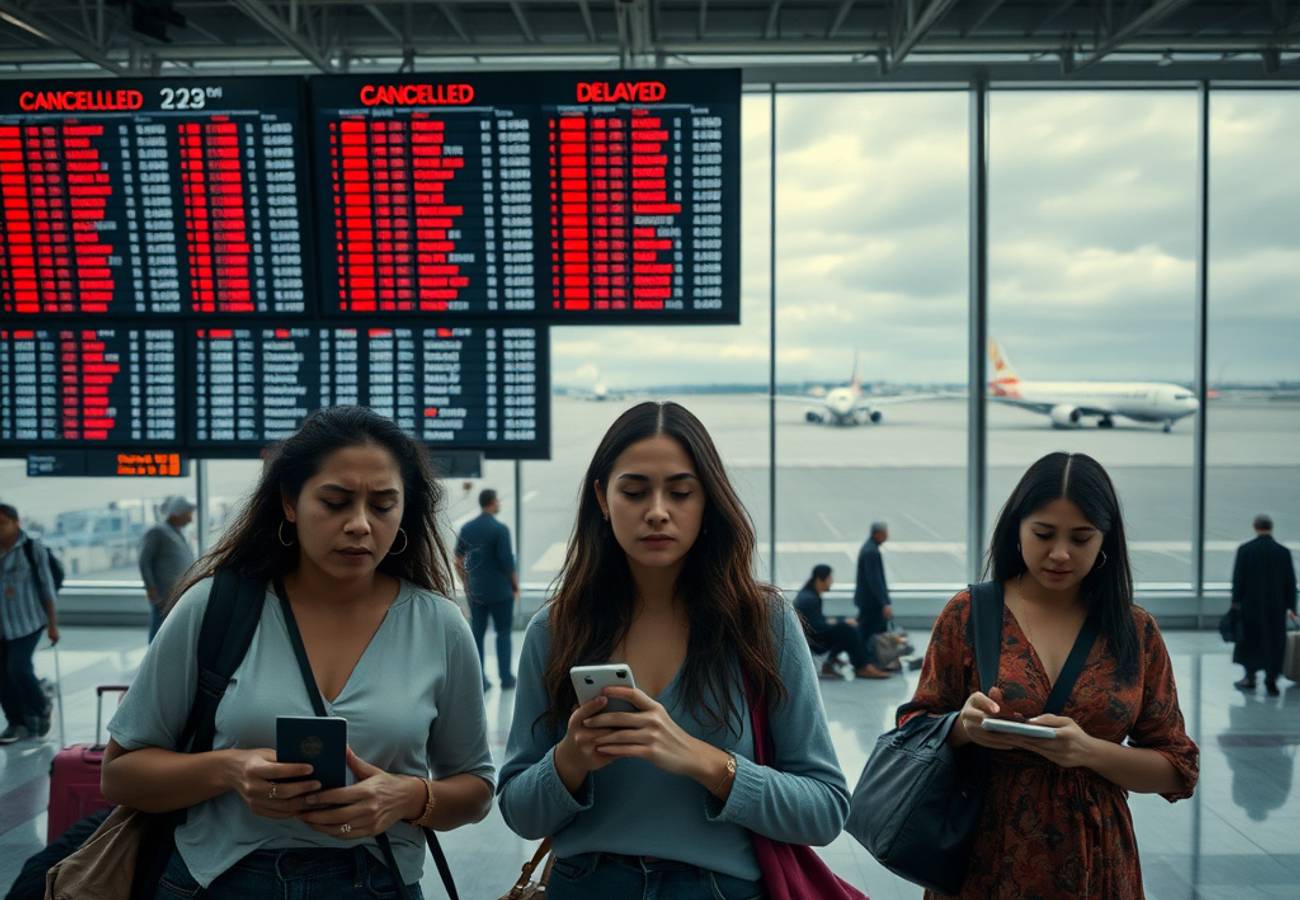
Image generated by AI
The Earthquake That Changed Everything for Venezuelan Travelers
On June 24, 2026, two earthquakes struck Venezuela's northern coastline, sending seismic shocks across multiple states and into neighboring Colombia. What started as a natural disaster quickly spiraled into a travel crisis affecting thousands of residents and international visitors. The U.S. Embassy in Caracas immediately issued an emergency travel alert, and within hours, the nation's largest airport went dark.
I've covered dozens of travel emergencies, but this one unfolded with shocking speed. Within 48 hours, entire airline schedules had been rewritten, families were separated, and the country's already strained infrastructure buckled under the pressure.
Airport Shutdown Strands International Travelers
Simon Bolivar International Airport in Caracas—Venezuela's primary international hub—suspended all commercial operations following earthquake-related structural damage. This wasn't a minor delay. This was a complete shutdown affecting hundreds of daily flights.
Reddit: "I was supposed to fly out of Caracas three days ago. Still stuck here with no clear answer on when flights resume." — r/travel
The impact was immediate and severe. Passengers with confirmed reservations found themselves in limbo, unable to contact airlines effectively due to communication outages. The airport's damage assessment continues, with authorities providing no definitive reopening timeline.
Regional airports have partially filled the void, but they lack the capacity of Caracas's main hub. Valencia, Barquisimeto, Barcelona, and Maracaibo remain operational, but distances and limited connecting flights have created bottlenecks for international departures.
Airlines Reroute Operations to Survive the Crisis
Major carriers serving Venezuela quickly adapted to keep flights moving—though at severely reduced capacity.
Copa Airlines suspended all Caracas operations through at least July 2, but launched emergency additional services between Valencia and Panama City. Passengers booked on the flagship Caracas-Panama route face mandatory rebooking onto the Valencia alternative, a decision that adds hours to travel times and strands some passengers in unfamiliar cities.
Avianca made an aggressive move, launching new Bogotá-Valencia service with Airbus A320 aircraft while adding charter flights to handle demand. Passengers originally booked on the direct Caracas-Bogotá route must now depart from Arturo Michelena International Airport in Valencia—about 140 kilometers from where they planned to leave.
These workarounds work in theory. In practice, they've created cascading delays and confusion for travelers already stressed by the emergency situation.
Ground Routes Offer Limited Relief
Overland travel appears viable but carries serious risks that extend far beyond earthquake damage. The Colombia border remains open, but the U.S. Embassy warns of persistent threats including armed group activity, kidnappings, and detention risks in surrounding regions.
The Brazil border technically operates, though remote geography and existing security concerns make it a nightmarish option for most travelers. Authorities have explicitly warned against travel near the Guyana border, particularly in Bolívar State, where criminal activity and kidnapping incidents remain common.
Rail services across affected areas have been temporarily suspended while authorities conduct safety inspections—eliminating what little domestic connectivity remained.
Power and Communication Failures Compound the Crisis
This is where the disaster becomes truly dangerous. Widespread electricity and internet outages continue across Venezuela following the earthquakes, paralyzing travelers' ability to contact airlines, embassies, or family members.
Without reliable telecommunications, tourists cannot access real-time flight information. Hotels cannot process bookings. Travelers cannot charge phones or verify travel documents. The U.S. Embassy recommends keeping devices charged when possible and maintaining physical copies of all travel documentation—advice that sounds obvious until you realize how dependent modern travel has become on electricity and connectivity.
What the U.S. Embassy Is Actually Doing
The U.S. Embassy in Caracas continues providing emergency consular services, but with severely limited capacity. The embassy is offering emergency passport assistance and limited aid for American citizens within the capital, but officials frankly acknowledge that assistance outside Caracas remains nearly impossible due to infrastructure damage and travel restrictions.
According to the embassy's official guidance, travelers should:
- Enroll in the Smart Traveler Enrollment Program (STEP) to receive emergency notifications
- Monitor official U.S. State Department channels for updates
- Maintain copies of passports and identification
- Shelter in place during any aftershocks until authorities confirm safety
Routine visa services remain completely suspended in Venezuela, with all visa processing now routed through the U.S. Embassy in Bogotá, Colombia.
Reddit: "The embassy is basically saying they can't help much right now. Americans outside Caracas are on their own." — r/expats
The Bigger Picture: Venezuela's Fragile Infrastructure Exposed
This earthquake has exposed how vulnerable Venezuela's already-strained infrastructure truly is. Before the seismic event, the country was already dealing with power shortages, economic crisis, and limited airline capacity. The earthquakes simply accelerated the collapse.
Recovery efforts continue, but authorities have provided no timeline for when operations will normalize. Travelers planning trips to Venezuela should expect extended delays, limited flight options, and significant uncertainty for weeks.
What Travelers Should Do Right Now
If you're booked to travel to or from Venezuela, contact your airline immediately—don't wait. Airlines are processing rebookings manually due to system failures, and phone lines are overwhelmed.
If you're already in Venezuela, remain in contact with your embassy, keep your phone charged, and monitor official announcements. Avoid traveling except when absolutely necessary, given ongoing aftershock risks and infrastructure damage.
For future bookings, consider purchasing travel insurance that covers earthquake-related disruptions and rebooking fees—a lesson the Venezuelan travel crisis is teaching expensively to thousands of stranded passengers.
The sky over Caracas may have stopped shaking, but Venezuelan travel remains in earthquake-level turbulence.
Related Travel Guides
Disclaimer
This article is for informational and educational purposes only. It does not constitute legal, financial, or professional advice. While we strive to provide accurate and up-to-date information, travel policies, regulations, and conditions change rapidly. Always verify information with official sources before making travel decisions. Nomad Lawyer makes no representations about the accuracy, reliability, completeness, or suitability of the information provided. Readers should consult qualified professionals for advice specific to their circumstances. The views expressed in this article are those of the author and do not necessarily reflect the views of Nomad Lawyer.
Kunal K Choudhary
Co-Founder & Contributor
A passionate traveller and tech enthusiast. Kunal contributes to the vision and growth of Nomad Lawyer, bringing fresh perspectives and driving the community forward.
Learn more about our team →