
Abra Group Carriers Launch Emergency Regional Relief Flights and Flexible Booking Schemes Following Venezuela Earthquakes and Airport Closures
Abra Group carriers are deploying emergency relief flights and flexible booking schemes following the Venezuela earthquakes and airport closures.

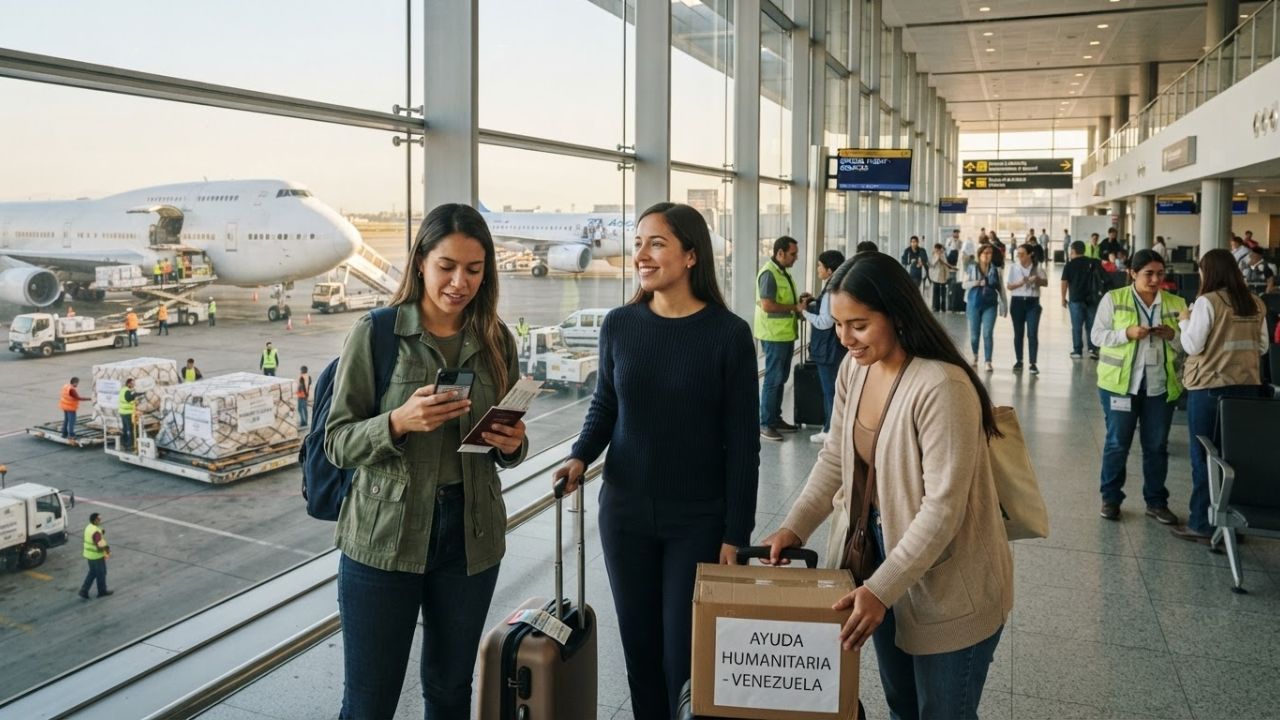
Image generated by AI
Abra Group Carriers Launch Emergency Regional Relief Flights and Flexible Booking Schemes Following Venezuela Earthquakes and Airport Closures
SEO Title: Venezuela Earthquake Relief Flights Abra Group 2026 Meta Description: Abra Group carriers are deploying emergency relief flights and flexible booking schemes following the Venezuela earthquakes and airport closures. Slug: /venezuela-earthquake-relief-flights-abra-group-2026 Standfirst: A regional aviation response is underway to manage a Venezuela travel emergency relief flights program following severe earthquakes that damaged the nation's primary international gateway on June 24, 2026. With the main airport in Caracas closed for structural evaluation, airline platform Abra Group is deploying cargo aircraft and emergency passenger routes to maintain regional connectivity. Avianca has introduced daily flights to Valencia while GOL mobilizes fleet capacity to transport medical teams and rescue provisions.
Article
[Caracas, July 10, 2026] — A regional aviation response is underway to manage a Venezuela travel emergency relief flights program following severe earthquakes that damaged the nation's primary international gateway on June 24, 2026. With the main airport in Caracas closed for structural evaluation, airline platform Abra Group is deploying cargo aircraft and emergency passenger routes to maintain regional connectivity. Avianca has introduced daily flights to Valencia while GOL mobilizes fleet capacity to transport medical teams and rescue provisions.
The seismic disruptions severely impacted northern Venezuela, damaging local infrastructure in Caracas and the coastal province of La Guaira. The subsequent closure of Simón Bolívar International Airport in Maiquetía left thousands of international travelers stranded and blocked standard cargo entry routes. In response, regional civil aviation boards are working with international diplomatic offices to establish alternative entry corridors for humanitarian relief.
Caracas Airport Closure Forces Re-Routing of International Passengers
The closure of Simón Bolívar International Airport (CCS) has disrupted standard commercial schedules connecting Venezuela with South and Central America. Aviation tracking logs verify that scheduled international passenger flights to Maiquetía have been suspended indefinitely while structural engineers inspect the runways and terminal roofs. This sudden gateway closure has forced international passengers to cancel their travel plans or seek alternative regional entries.
To prevent travelers from becoming stranded, regional civil aviation boards are diverting commercial traffic away from Caracas. Arturo Michelena International Airport (VLN) in Valencia has emerged as the primary alternative gateway, despite having a smaller terminal capacity. Airport workers are under intense pressure to manage the sudden increase in passenger volumes and immigration processing.
Avianca Activates Bogota-Valencia Corridor with Emergency Flight Schedules
Avianca is responding to the gateway closure by establishing a temporary emergency schedule connecting Colombia and Venezuela. The carrier is operating two daily frequencies between El Dorado International Airport (BOG) in Bogotá and Arturo Michelena International Airport (VLN) in Valencia. These regional relief flights are designed to facilitate family reunifications and transport search-and-rescue teams.
Additionally, the airline has implemented flexible booking policies to support affected travelers. The carrier has waived all change fees for passengers holding tickets to Caracas and is offering preferential capped fares on the Valencia route. This flexible rebooking window allows families to modify their travel dates without facing heavy financial penalties.
Humanitarian Air Bridge Delivers Tons of Cargo and Vaccine Doses
The corporate alliance is collaborating with regional governments, including Brazil's Ministry of Foreign Affairs and the government of El Salvador, to construct a cargo air bridge. Aviation sources indicate that the joint effort has successfully delivered over 125 tons of emergency supplies to northern Venezuela. The shipments include essential medicine, water purification kits, temporary shelters, and hygiene provisions.
A key milestone of the logistics operation was the successful transport of 350,000 vaccine doses from Brazil to regional medical centers. GOL utilized its Boeing 737 passenger and cargo fleet to manage the cold-chain logistics required for the medicine. These vaccine shipments are being distributed to emergency clinics in Caracas to prevent disease outbreaks following water system failures.
Detailed Operational Parameters of the Venezuela Relief Network
To support travelers and relief organizations, aviation coordinators have published the key routes, fare policies, and logistics data for the current emergency operation. The statistics confirm the scale of the airline response and provide travelers with alternative routing options. The table below summarizes the operational metrics of the active air bridge.
Data Table
Venezuela Aviation Relief and Travel Emergency Metrics
| Operational Parameter | Policy Details & Factual Data | Supporting Carrier / Authority |
|---|---|---|
| Primary Entry Gateway | Arturo Michelena International Airport (VLN), Valencia | Venezuelan National Institute of Civil Aviation |
| Emergency Corridor | Bogotá (BOG) ↔ Valencia (VLN) | Avianca (2 daily flights) |
| Humanitarian Cargo | Over 125 tons of medical and rescue supplies | Abra Group Joint Fleet (Airbus A320 & Boeing 737) |
| Vaccine Shipments | 350,000 doses delivered from Brazil | GOL (Boeing 737 operations) |
| Donated Mileage | Over 10 million frequent flyer miles contributed | LifeMiles Program (Fully matched by corporate) |
| Rebooking Status | Capped fares and waived ticket change fees | Avianca & GOL Customer Portals |
Abra Group Leverages Frequent Flyer Miles for Humanitarian Vetting
The financial backing for this emergency transport network is being supported by passenger contributions through the LifeMiles loyalty program. Frequent flyers have contributed over 10 million miles to fund tickets for rescue workers, doctors, and logistics specialists traveling to Valencia. Abra Group chief executive officer Adrián Neuhauser confirmed that the corporation is matching all passenger mileage donations to double the relief capacity.
Neuhauser stated that the company stands in solidarity with the Venezuelan population during the recovery process. The carrier group is utilizing Avianca's Airbus A320 and Boeing 787 fleets alongside GOL's Boeing 737 jets to balance passenger recovery with cargo demands. This multi-brand approach allows the group to deploy the right aircraft size depending on runway constraints at Valencia.
Regional Civil Aviation Authorities Issue Airspace and Safety Guidelines
The Venezuelan National Institute of Civil Aviation (INAC) is issuing regular regulatory updates to guide air traffic through the temporary corridors. Civil aviation authorities have established restricted airspace zones around Maiquetía to allow structural review teams and helicopters to operate safely. Pilots are advised to coordinate all flight paths with regional control towers in Valencia and Caracas.
Concurrently, international bodies like the U.S. Department of State and the Colombian Ministry of Foreign Affairs have updated their travel advisories for South America. The offices recommend that citizens review entry requirements and verify flight availability before attempting to cross land borders. Travelers on the ground are urged to stay informed through official government portals rather than relying on automated booking platforms.
Why This Matters
This emergency response highlights a critical evolution in how multi-airline holding companies handle regional crises. Under traditional structures, individual carriers like Avianca or GOL had to manage relief logistics independently, which often led to coordination gaps and inefficient fleet use. The consolidation under the Abra Group allows for a flight operations center that can shift widebody and narrowbody aircraft across different national networks within hours. This corporate integration creates a highly resilient logistics network that can bypass localized infrastructure failures, such as the Caracas airport closure.
Our analysis of the regional travel network indicates that Valencia's Arturo Michelena Airport was never designed to serve as the country's primary international gate. The sudden redirection of flights from Bogotá has pushed the facility to its absolute limits, demonstrating how natural disasters can expose vulnerabilities in regional aviation infrastructure. If Caracas remains closed for an extended period, the resulting passenger congestion in Valencia will require airlines to permanently adjust their regional schedules and station personnel.
Furthermore, the integration of loyalty programs like LifeMiles into disaster relief represents a major shift in corporate social responsibility models. By matching passenger mile donations, the airline group is crowdsourcing the cost of humanitarian flights, making customers active participants in the rescue operation. This model reduces the financial strain on the carriers while providing immediate, flexible travel options for medical specialists who need to reach the disaster zone without delay.
Key Takeaways
- Airport Closure: Caracas Maiquetía Airport (CCS) is closed for structural evaluation following the June 24 earthquakes.
- Alternative Route: Avianca is operating two daily flights between Bogotá (BOG) and Valencia (VLN) to maintain connectivity.
- Humanitarian Aid: The airline network has delivered over 125 tons of supplies and 350,000 vaccine doses from Brazil.
- Booking Flexibility: Ticket change fees have been waived, and emergency fares are capped for affected travelers.
FAQ
Why are flights to Caracas being diverted to Valencia?
Simón Bolívar International Airport in Caracas was closed following structural damage from the June 24 earthquakes, making Valencia the primary alternative entry gateway.
Which airlines are operating the relief flights?
Avianca is operating two daily passenger frequencies to Valencia, while GOL is managing cargo operations and vaccine shipments.
How can passengers change their tickets to Venezuela?
Avianca has waived all ticket change fees and implemented capped fares on the Valencia route to assist displaced passengers.
Related Aviation News Guides
- European Commission Rejects Request to Pause Schengen Entry-Exit System Biometric Checks Despite Five-Hour Airport Immigration Queues
- Widespread Flight Cancellations and Delays Disrupt United States Aviation Network as Storms and Staffing Shortages Impact Major East Coast Hubs
- United States Federal Authorities Release Updated Visa Waiver Restrictions Immediately Affecting International Travelers and Digital Border Security Protocols
Disclaimer
This article is for informational and educational purposes only. It does not constitute legal, financial, or professional advice. While we strive to provide accurate and up-to-date information, travel policies, regulations, and conditions change rapidly. Always verify information with official sources before making travel decisions. Nomad Lawyer makes no representations about the accuracy, reliability, completeness, or suitability of the information provided. Readers should consult qualified professionals for advice specific to their circumstances. The views expressed in this article are those of the author and do not necessarily reflect the views of Nomad Lawyer.
Preeti Gunjan
Contributor & Community Manager
A passionate traveller and community builder. Preeti helps grow the Nomad Lawyer community, fostering engagement and bringing the reader experience to life.
Learn more about our team →