
Vaishno Devi Yatra: The Complete Pilgrimage and Infrastructure Guide
Planning your pilgrimage to the Vaishno Devi shrine? Learn about RFID registration, transit routes to Katra, and accommodation options.

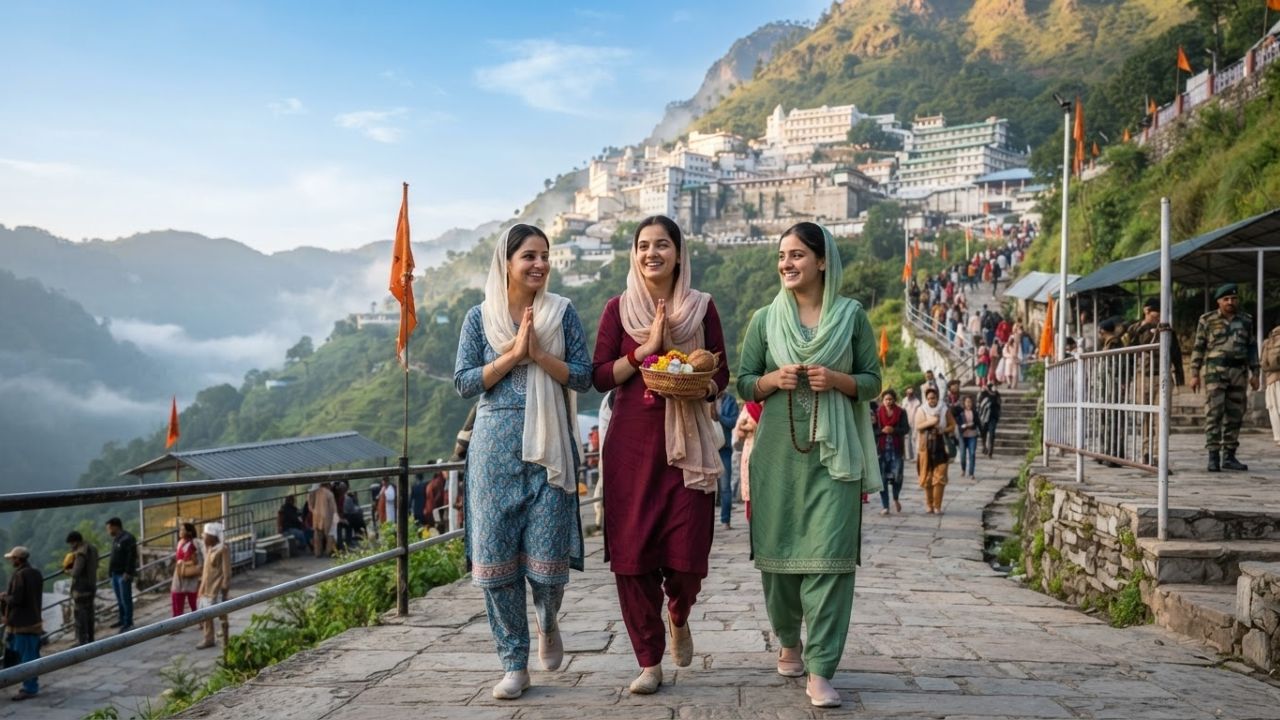
Image generated by AI
Vaishno Devi Yatra organizers have updated regional transit guidelines and infrastructure routes to support the annual influx of pilgrims. The sacred cave in the Trikuta Hills of Jammu and Kashmir requires careful logistic planning before departure.
Sacred Rock Formations and Base Camp Transit Routes
The pilgrimage to the holy shrine centers on three natural rock formations representing Hindu deities. Devotees begin their journey in Katra, the primary base camp located at the foot of the mountains.
The official portal of the Shri Mata Vaishno Devi Shrine Board provides online booking services for transit. Pilgrims can fly to Jammu Airport or book direct rail tickets to the Katra Railway Station.
Public buses and private taxis operate daily along the national highway connecting Jammu to Katra.
Mandatory RFID Cards and Track Infrastructure Upgrades
The Shrine Board mandates that every traveler obtain a free RFID Yatra Access Card. Devotees must pass the initial Banganga Check Post within six hours of card registration.
The 13-kilometer paved pathway features covered shelters, drinking water stations, and vegetarian food kiosks. Promotions managed by Incredible India highlight these track upgrades.
Medical assistance centers are located at Banganga, Ardhkuwari, Sanji Chhat, and the main Bhawan complex.
Vaishno Devi Yatra Logistics and Stays
The tables below display the essential registration rules and accommodation options along the route.
Mandatory Yatra Logistics and Entry Rules
| Requirement Category | Statutory Rule / Route Detail | Operational Target |
|---|---|---|
| Registration Protocol | RFID Yatra Access Card (Free) | Crowd management and real-time pilgrim tracking |
| Banganga Time Limit | Check-in within 6 hours of card issue | Prevent terminal bottleneck congestion at base camp |
| Trek Distance & Trail | 13 Kilometers (Katra base to Bhawan) | Paved mountain path with resting shelters |
| Transit Alternatives | Helicopter flights, ponies, palkis | Assist senior citizens and mobility-impaired pilgrims |
Accommodation Options Managed by the Shrine Board
| Accommodation Type | Location Along Route | Booking Fee Status |
|---|---|---|
| Free Dormitory Halls | Ardhkuwari, Katra, Bhawan | Complimentary lodging for budget travelers |
| Subsidized Rooms & Suites | Niharika Niwas, Trikuta Bhawan | Affordable lodging managed by the Board |
| Private Hotels & Inns | Katra Base Camp Town | Tiered commercial rates based on seasonality |
Helicopter Bookings and Mountain Transport Options
Helicopter services link Katra to Sanji Chhat, reducing the trekking time to the sacred cave. Travelers are advised to book helicopter tickets through official portals to avoid fraud.
Ponies, palkis, and traditional manual carriers are available for hire at standardized rates. A modern cable car ropeway connects the Bhawan to the Bhairav Nath Temple.
Pilgrims should monitor regional weather alerts before commencing their climb up the mountain.
Why This Matters
Our analysis of the flight data and pilgrim traffic indicates that the transition to RFID tracking has reduced crowd stampede risks. By tracking the location of every traveler on the 13-kilometer trail, the Shrine Board can manage flow density in real time. This technological framework serves as a model for managing high-volume religious events globally.
Additionally, infrastructure investments like the Bhairav Nath ropeway make the pilgrimage accessible to elderly and disabled visitors. Historically, the final steep climb prevented many devotees from completing the entire circuit. The modernization of transport options helps preserve cultural heritage while ensuring passenger safety.
Industry Outlook
Market trends suggest that religious tourism in Jammu and Kashmir will continue to experience steady growth. Future track upgrades will comply with environmental guidelines to protect the Trikuta Hills ecosystem.
Expect the Shrine Board to expand digital booking portals to include all local transport options. The current operations are scheduled to accommodate high visitor volumes throughout the upcoming holiday weeks.
Key Takeaways
- RFID Requirement: All pilgrims must obtain a free RFID Yatra Access Card to begin the trek.
- Access Deadline: Devotees must cross the Banganga Check Post within six hours of registering.
- Rail Connectivity: Katra Railway Station offers direct train links to major Indian metropolitan cities.
- Medical Facilities: Free emergency medical centers are located at key points along the 13-kilometer trail.
- Ropeway Transit: A modern cable car services the final route segment between Bhawan and Bhairav Nath.
FAQ
How do I register for the Vaishno Devi Yatra?
Pilgrims must register online or at Katra counters to receive a mandatory, free RFID Yatra Access Card.
Are there helicopter services to the shrine?
Yes, helicopters fly between Katra and Sanji Chhat. Tickets should be booked via the official Shrine Board website.
What should I do if I miss the six-hour Banganga check-in window?
You must obtain a new RFID card at the Katra registration desk if you exceed the six-hour limit.
Is accommodation available at the Bhawan?
Yes, the Shrine Board offers free dormitories and subsidized rooms at the Bhawan, which should be booked in advance.
Related Travel Guides
- Vermont Increases Regulated Cannabis Purchase Limits to Support Local Businesses
- West Virginia Department of Tourism Reports Record 78.4 Million Visitors Generating $9.4 Billion Economic Impact Supported by Regional Rail and Infrastructure Upgrades
- Cap Karoso Resort Hosts Sumba Food Festival 2026: Asia-Pacific Chefs Transform Indonesia's Remote Island
Disclaimer
This article is for informational and educational purposes only. It does not constitute legal, financial, or professional advice. While we strive to provide accurate and up-to-date information, travel policies, regulations, and conditions change rapidly. Always verify information with official sources before making travel decisions. Nomad Lawyer makes no representations about the accuracy, reliability, completeness, or suitability of the information provided. Readers should consult qualified professionals for advice specific to their circumstances. The views expressed in this article are those of the author and do not necessarily reflect the views of Nomad Lawyer.
Kunal K Choudhary
Co-Founder & Contributor
A passionate traveller and tech enthusiast. Kunal contributes to the vision and growth of Nomad Lawyer, bringing fresh perspectives and driving the community forward.
Learn more about our team →