
Uzbekistan Grants Indian Tourists 1-Month Visa-Free Access to Boost Silk Road Tourism in 2026
Uzbekistan accelerates tourism growth by offering Indian travelers 1-month visa-free access and direct flights to ancient Silk Road hubs like Samarkand and Bukhara.

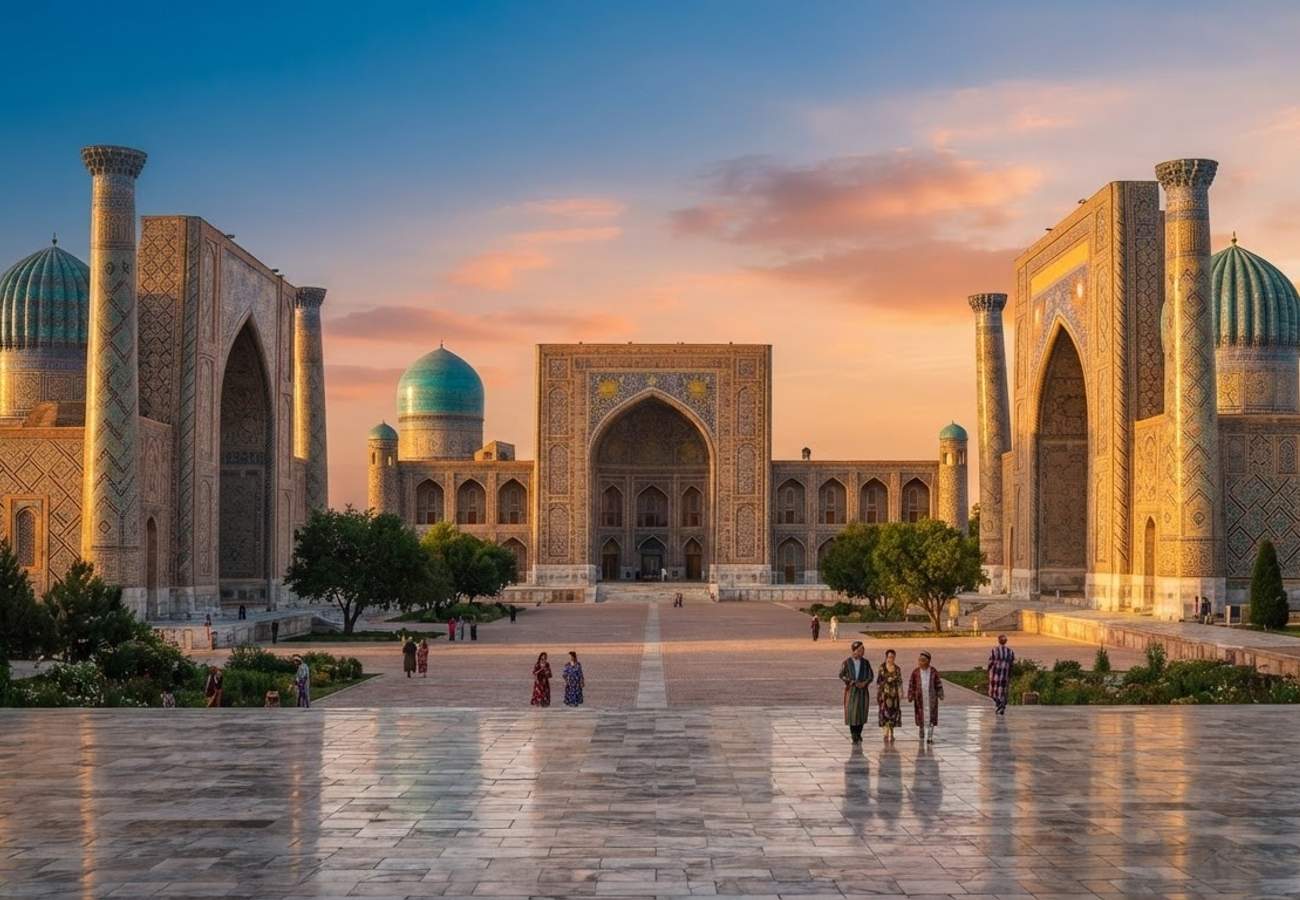
Image generated by AI
Indian travelers can now enter Uzbekistan visa-free for up to one month, a strategic move paired with expanded direct flight connectivity to unlock the ancient wonders of the Silk Road.
The Central Asian Pivot: A New Era of Accessibility
Uzbekistan is aggressively repositioning itself as a premier destination for the Indian outbound market. By removing the bureaucratic friction of visa applications for a 30-day window, the government is targeting a diverse demographic—from honeymooners and cultural historians to adventure seekers and corporate travelers.
This shift is not merely about policy; it is a calculated infrastructure play. The synchronization of visa-free entry with an increase in direct flight paths has slashed travel time and costs, transforming a once-complex expedition into a viable short-haul international holiday. For the Indian traveler, this creates a seamless corridor into the heart of Central Asia, where affordable luxury meets deep historical resonance.
Beyond the Monuments: Cultural and Environmental Value
The real impact of this tourism surge is the revitalization of regional heritage. Rather than focusing solely on "bucket-list" photography, the current trend emphasizes immersive experiences. Visitors are encouraged to move beyond the primary squares and engage with local artisans who keep the Silk Road's textile and ceramic traditions alive.
The transition toward eco-tourism and rural exploration is also gaining momentum. By diversifying the itinerary to include mountain landscapes and traditional villages, Uzbekistan is distributing tourism revenue more equitably across its provinces, ensuring that the economic benefits of the Indian visitor surge reach beyond the major urban centers.
The Silk Road Circuit: Primary Destinations
| City | Primary Appeal | Key Landmark |
|---|---|---|
| Samarkand | Architectural Grandeur | Registan Square & Gur-e-Amir |
| Tashkent | Modernity & Transit | Tashkent Metro & Traditional Bazaars |
| Bukhara | Islamic Heritage | Ark Fortress & Poi Kalyan |
| Khiva | Medieval Preservation | Itchan Kala Walled City |
The Gastronomic Bridge
Food tourism is emerging as a primary driver for Indian visitors. The aromatic profiles of Uzbek cuisine—specifically the legendary Plov (a slow-cooked meat and vegetable rice dish)—create a sensory bridge between Indian and Central Asian palates. The emphasis on hearty, rice-based meals and traditional breads (non) makes the transition easier for travelers accustomed to the bold flavors of South Asia.
Visitor Insider Tips
To maximize a trip under the new visa-free regime, travelers should consider these local nuances:
- The Golden Window: Visit between April to June or September to October. Avoid the extreme heat of July and the biting cold of January.
- Transport Etiquette: While the Tashkent Metro is a work of art, remember that photography is permitted but talking loudly or eating on platforms is frowned upon.
- Market Negotiation: In the bazaars of Bukhara and Samarkand, bargaining is expected. Start at 50% of the asking price for handicrafts, but remain polite and firm.
- Dining Secret: Seek out "Chaikhanas" (tea houses) away from the main squares for the most authentic Plov and a more relaxed, local atmosphere.
- Connectivity: Purchase a local SIM card at Tashkent airport immediately upon arrival; while hotel Wi-Fi is improving, navigation in the winding streets of Khiva requires reliable data.
Tourism Outlook
The long-term trajectory for Uzbekistan is a shift from "transit tourism" to "destination tourism." By integrating wellness experiences and adventure travel into their portfolio, they are encouraging longer average stays. The partnership with India is a cornerstone of this strategy, leveraging a growing middle class with a high appetite for unique, culturally rich destinations that offer value for money.
As the country continues to upgrade its hospitality sector and transportation networks, Uzbekistan is effectively positioning itself as the rising star of Central Asia, blending the mysticism of the medieval era with 21st-century efficiency.
A journey through the Silk Road is no longer a trek for the few, but an accessible reality for the many.
Related Travel Guides
Disclaimer
This article is for informational and educational purposes only. It does not constitute legal, financial, or professional advice. While we strive to provide accurate and up-to-date information, travel policies, regulations, and conditions change rapidly. Always verify information with official sources before making travel decisions. Nomad Lawyer makes no representations about the accuracy, reliability, completeness, or suitability of the information provided. Readers should consult qualified professionals for advice specific to their circumstances. The views expressed in this article are those of the author and do not necessarily reflect the views of Nomad Lawyer.
Raushan Kumar
Founder & Lead Developer
Full-stack developer with 11+ years of experience and a passionate traveller. Raushan built Nomad Lawyer from the ground up with a vision to create the best travel and law experience on the web.
Learn more about our team →