Utuado Puerto Rico Adventure Tourism Growth: Analyzing River and Agritourism Trends in 2026

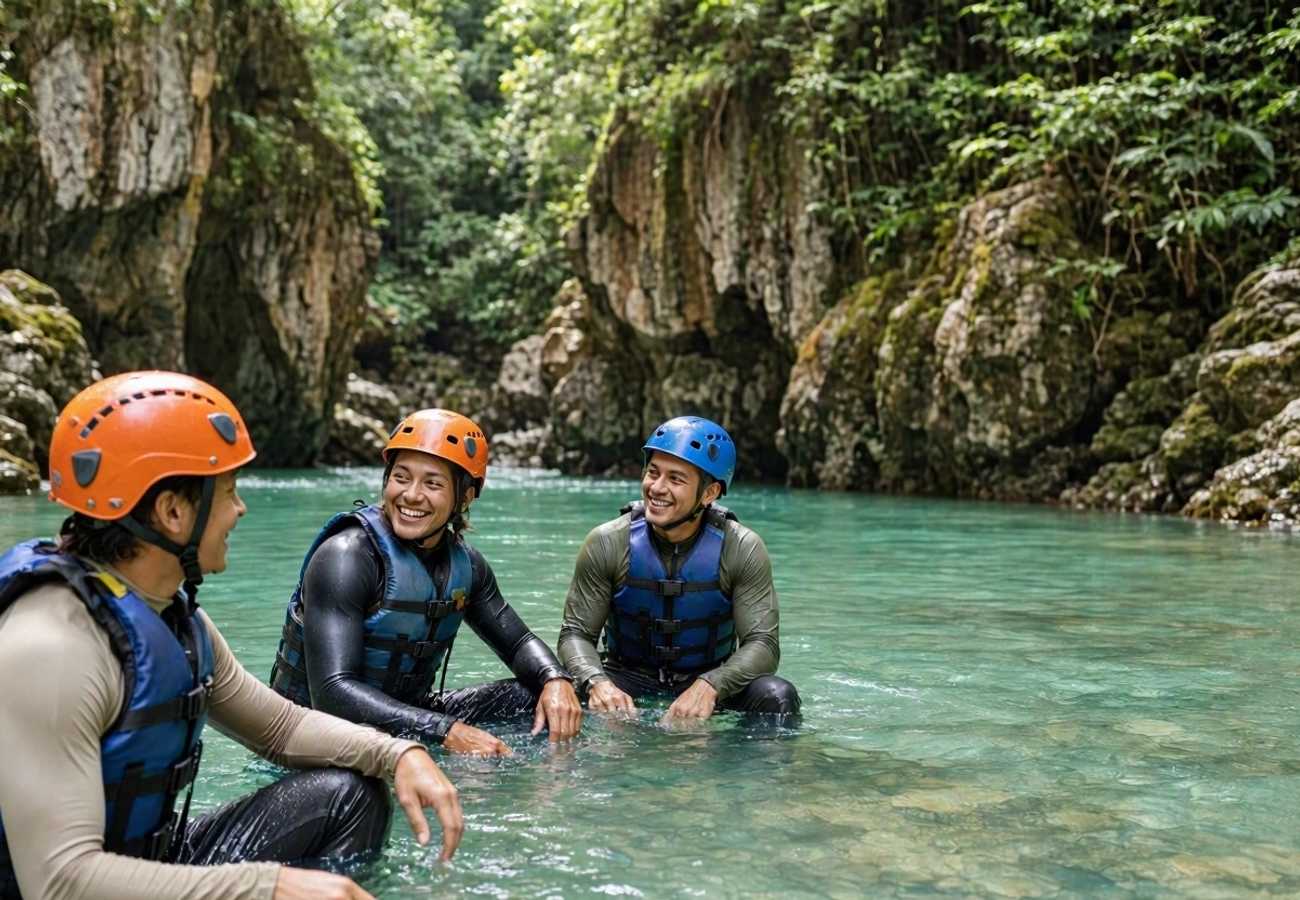
Image generated by AI
Visitor spending in Puerto Rico's interior highlands has shifted toward high-engagement adventure activities, with guided canyoning experiences now commanding premiums of $120 per person compared to the low-cost, unguided nature treks of previous years. This movement signals a broader transition from passive sightseeing to "active immersion" tourism, where travelers prioritize safety-certified operators over independent exploration in rugged karst terrains.
The Utuado Adventure Economy in Numbers
The economic profile of Utuado's tourism is currently split between structured commercial ventures and informal, community-led experiences. Data from recent excursions reveals a stark contrast in pricing and operational structures.
The Tanamá River Adventures model represents the professionalized tier of the market. In October 2025, full-day river, cave, and rappelling tours were priced at $120 USD per person. This fee covers a six-hour itinerary including technical gear (helmets, headlamps, life vests, and harnesses) and a 30-meter technical rappel. The operational efficiency is high, with group sizes capped at nine passengers and a two-guide ratio to ensure safety during high-risk maneuvers.
Conversely, the "wild" sector, exemplified by Cañón Blanco on the Río Caonillas, operates on a micro-economy basis. During February 2026, access to this region remained unguided and informal, with costs limited to approximately $5 USD for private parking. This segment relies on the World Tourism Organization (UNWTO) principles of community-based tourism, where local landowners manage access without formal ticketing systems.
Comparative Analysis: Structured vs. Independent Utuado Experiences
The following data compares the two primary modes of exploring Utuado's interior: the commercial adventure model and the independent nature model.
| Metric | Structured (Tanamá River) | Independent (Cañón Blanco) | Agritourism (Café Gran Batey) |
|---|---|---|---|
| Avg. Cost (2025-26) | $120 USD | ~$5 USD (Parking) | $15 USD |
| Duration | 6+ Hours | 4 Hours | 2 Hours |
| Physical Demand | Strenuous (Rappelling) | Moderate (Scrambling) | Low (Walking) |
| Guide Ratio | 1 Guide per 4.5 Guests | None (Self-Guided) | Family-led |
| Booking Method | Online/Pre-paid | Informal/Cash | Phone/Messaging |
| Equipment Provided | Full Technical Gear | None | None |
What This Means for Travelers
The data indicates that Utuado is no longer a "drive-through" destination but a multi-day hub. For those planning a visit in late 2026, the following logistics are essential:
- Booking Windows: For high-demand activities like Tanamá River Adventures, booking several weeks in advance via official online systems is now mandatory to secure slots, as group sizes are strictly capped for safety.
- Vehicle Requirements: The transition from main roads to interior sites like Cañón Blanco involves narrow switchbacks and steep grades. A compact SUV with decent ground clearance is highly recommended; low-clearance sedans risk damage on rural access roads.
- Timing and Weather: The "dry season" (specifically February) provides the safest water levels for river crossings, which typically range from mid-calf to knee height. Travelers should avoid riverbed excursions during afternoon storm windows to prevent flash flood risks.
- Cash Liquidity: While high-end tours accept digital payments, the agritourism and independent sectors (e.g., Café Gran Batey and private parking lots) operate almost exclusively on a cash-on-arrival basis.
Projection: The Rise of Specialized Agritourism
The success of small-scale operations like Café Gran Batey—charging a modest $15 USD for a two-hour immersive experience—suggests a growing market for "slow travel." This trend aligns with global shifts tracked by the World Travel & Tourism Council (WTTC), where travelers seek authentic connections over manufactured attractions.
In Utuado, this is manifesting as a move toward educational tourism. Visitors are increasingly interested in the intersection of agriculture and climate change, specifically how hurricanes and rainfall shifts affect coffee production. We expect to see more "farm-to-cup" experiences that integrate environmental education with tourism, potentially increasing the average spend per visitor in the Caguana area.
FAQ: Utuado Tourism 2026
Is it safe to visit Cañón Blanco without a guide? It is possible for experienced hikers, but risky. There are no lifeguards or rescue services. If you have limited mobility or are traveling with children, hiring a local guide is strongly advised due to slick rock surfaces and uneven footing.
What is the best time of year for river adventures in Utuado? The dry season, particularly February, offers the most stable conditions. However, October tours are viable if you are prepared for "chocolate-colored" water from previous rains and have a certified guide to monitor flow levels.
How do I book coffee tours in the interior? Many family-run farms, such as Café Gran Batey, do not use automated portals. The most effective method is arranging the visit via phone or direct messaging and confirming a few days prior to arrival.
Utuado remains a destination where the lack of signage is the primary filter, ensuring that only the most intentional travelers find its hidden canyons.
Related Travel Guides
This article is for informational purposes. Flight routes, passenger regulations, visa rules, and transit advisories are subject to change by airlines and aviation authorities. Readers are advised to verify schedules and travel documentation with relevant carriers and border agencies before departure.
Related Stories

Exploring Jobos Bay National Estuarine Research Reserve: Guayama's Coastal Ecosystems 2026
Snorkeling Culebrita Puerto Rico: A Legal and Logistical Guide to Playa Tortuga 2026