
Saudi Arabia Red Sea Tourism Emerges as a Global Luxury Powerhouse Driven by Sustainable Development, Marine Innovation, and Strategic Investment: Latest Update
Saudi Arabia's Red Sea Coast transforms into a premier global luxury destination, driven by Red Sea Global projects, Amaala, AROYA Cruises, and SRSA maritime regulations.

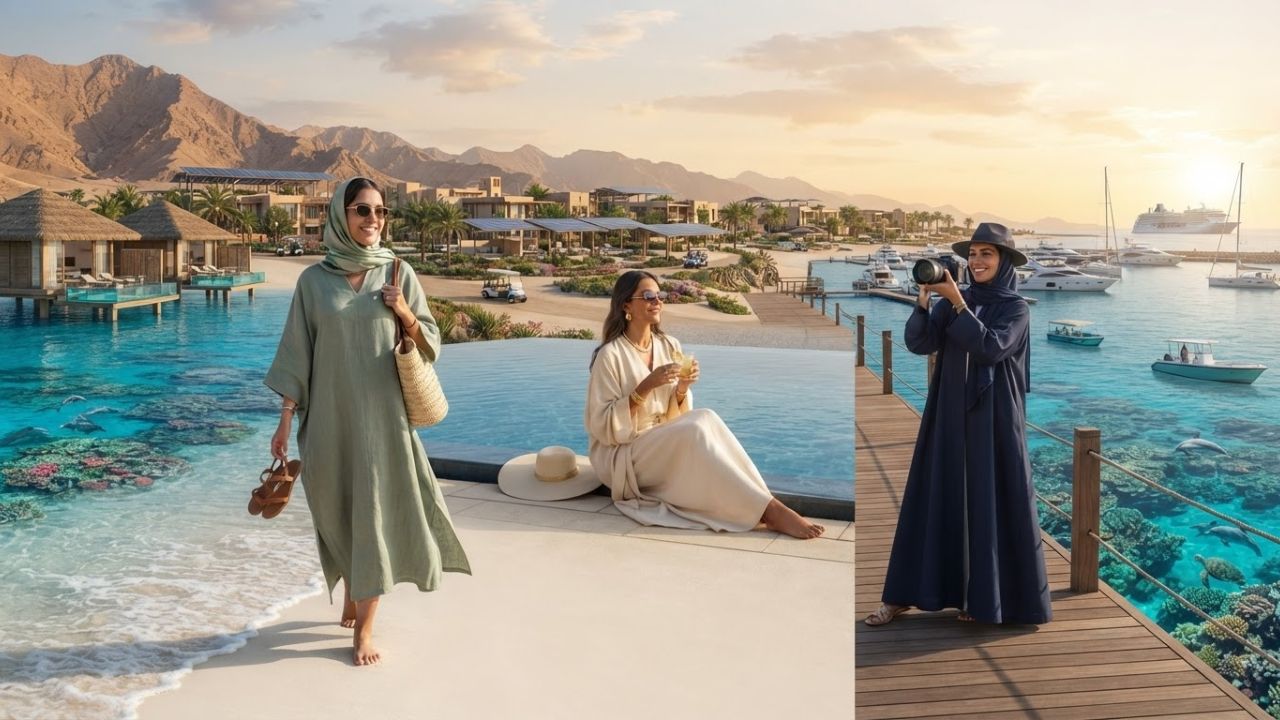
Image generated by AI
The rapid development of Saudi Arabia Red Sea tourism is establishing a new benchmark for global luxury travel as the Kingdom transforms its pristine coastline through sustainable infrastructure and marine conservation. Supported by major sovereign investments and strict environmental regulations, the ongoing transition aims to create a high-value coastal economy that balances premium guest experiences with ecological protection. Travelers must ensure they secure accommodation early, review changing biometric entry procedures, and obtain adequate travel insurance before departure.
📌 Quick Summary
- Strategic Transition: Saudi Arabia is transforming its 1,846-kilometer coastline into a high-value tourism ecosystem.
- Flagship Destinations: Key developments under Red Sea Global and Amaala are entering active operational phases in 2026.
- Market Expansion: The Kingdom's tourism sector recorded 123 million total visitors and generated SAR 304 billion in 2025.
- Maritime Regulation: The Saudi Red Sea Authority (SRSA) regulates all coastal and navigational travel activities.
- Conservation Commitment: Regenerative guidelines mandate a 30% net conservation gain for Amaala by 2040.
Published on July 22, 2026
The expansion of the coastal travel sector is taking place as Saudi Arabia shifts its economic focus beyond traditional travel markets, such as religious pilgrimage tourism. Guided by the Kingdom's sovereign wealth funds and specialized environmental bodies, developers are prioritizing low-impact luxury projects over mass-tourism models. By protecting unique marine habitats while introducing premium services, the development is positioning the region as a landmark destination for sustainable travel.
Unlocking the Potential of Saudi Arabia Red Sea Tourism
Stretching approximately 1,846 kilometers from Haql in the north to Jazan in the south, the Saudi Red Sea coastline contains around 1,150 islands out of the Kingdom’s total 1,285 islands. For decades, these vast natural assets—ranging from diverse coral reef ecosystems and pristine beaches to expansive mangroves and marine habitats—remained largely underdeveloped. The ongoing transformation aims to unlock their potential under a controlled, premium coastal economy.
The development is supported by rapid growth across the country's wider tourism sector. In 2025, visitor spending generated approximately SAR 304 billion (around USD 81 billion), with the country hosting 123 million visitors, including 29.3 million international arrivals. These figures represent the national market, but they showcase the strong demand base supporting new coastal destinations.
Leisure travel is becoming a primary driver of this growth, representing 52% of inbound overnight visits in 2025 compared with 44% in 2019. The table below outlines key indicators of the region's expanding tourism potential:
| Travel Indicator | Stat Value (2025/Current) | Strategic Significance |
|---|---|---|
| Coastline Length | 1,846 kilometers (Haql to Jazan) | Massive footprint for marine and island exploration |
| Island Count | 1,150 islands (of 1,285 total in KSA) | Core assets for secluded luxury developments |
| Annual Tourism Spend | SAR 304 billion (~USD 81 billion) | Demonstrates strong financial market base |
| Annual Visitor Count | 123 million (29.3 million international) | Vast domestic and global travel demand |
| Leisure Tourism Share | 52% of inbound visits (up from 44% in 2019) | Highlights transition from purely religious tourism |
Red Sea Global: Flagship Developments and Luxury Clusters
At the center of the coastal transformation is Red Sea Global (redseaglobal.com), a developer owned by the Public Investment Fund (PIF) that manages the region's flagship projects. The Red Sea destination and Amaala represent the core projects driving the Kingdom's eco-luxury ambitions, with both destinations entering active operational phases in 2026.
The development of Amaala represents a major financial commitment, with the first phase attracting approximately SAR 51 billion in investment. Designed around a low-impact development model, the destination is structured to safeguard the surrounding ecosystem.
Unlike traditional resorts that focus on maximizing guest volumes, Amaala limits its annual capacity to 500,000 visitors. This controlled growth allows the destination to preserve fragile marine habitats while offering exclusive, high-value experiences.
Cruise Tourism and Marine Recreation: New Growth Engines
While luxury resorts are entering active operations, marine and maritime tourism are emerging as key drivers of regional growth. Cruise tourism is expanding rapidly following the launch of AROYA Cruises, the Kingdom's first homegrown cruise brand.
The maritime sector has shown strong early momentum, with AROYA Cruises carrying more than 92,000 passengers within its first four operational months. This growth demonstrates increasing global interest in the Red Sea as a new cruise destination connecting regional and international routes. Looking ahead, Cruise Saudi has established a target of reaching 1.33 million cruise passengers annually by 2037.
Beyond cruise operations, the region is developing multiple marine tourism segments, including:
- Yacht Charter Services: Offering customized private voyages along the coastline.
- Diving Excursions: Providing access to pristine, previously inaccessible coral reefs.
- Marina Development: Creating state-of-the-art docking facilities for international vessels.
- Coastal Hospitality: Introducing high-end dining and leisure services at key ports.
Structural Reforms and Regulations Supporting Saudi Arabia Red Sea Tourism
A key factor separating this coastal strategy from other international destinations is the implementation of a structured regulatory environment. The Saudi Red Sea Authority (srsa.gov.sa) acts as the primary regulator managing all navigational and maritime tourism activities in the region.
To provide clear operating guidelines, the authority has introduced eight regulations covering marina operators, yacht charter businesses, and coastal beach operations. These frameworks establish clear requirements for visitor safety, environmental responsibility, and international sustainability benchmarks, such as Blue Flag certification principles.
For international investors and operators, this regulatory clarity reduces operational uncertainty and ensures consistent quality standards across the entire destination.
Environmental Conservation: The Foundation of Long-Term Growth
The development model is built around a central principle: environmental conservation is not a constraint on growth, but the foundation of the tourism product itself. The region's coral reefs, marine biodiversity, and untouched islands are the primary assets attracting travelers, making their preservation essential for long-term economic value.
Key environmental measures include:
- Renewable Energy Commitments: Powering resorts entirely through off-grid solar and wind installations.
- Ecosystem Protection Programs: Monitoring water quality and marine health around construction zones.
- Regenerative Targets: Implementing Amaala's objective to achieve a 30% net conservation gain by 2040.
- Strict Capacity Controls: Preventing the ecological degradation associated with uncontrolled mass tourism.
Looking Ahead: A New Model for Global Coastal Development
The development of the Red Sea Coast is being executed in phases, combining active resorts, projects under construction, and long-term targets aligned with Saudi Vision 2030. The region's overall competitiveness will depend on how effectively the entire coastal transport, hospitality, and regulatory systems work together.
By integrating infrastructure development, environmental safeguards, and investment incentives, the Kingdom is establishing a new model for coastal tourism. This approach demonstrates how natural assets can drive economic opportunities while being preserved for future generations.
Conclusion
The transformation of the Red Sea Coast highlights Saudi Arabia's commitment to building a world-class luxury tourism destination. By balancing strategic sovereign investments with strict conservation guidelines and clear regulations, the Kingdom is creating a sustainable coastal economy. As resort clusters and marine transit networks continue to expand, the Red Sea Coast is positioned to become a premier destination for travelers seeking high-value, eco-responsible experiences.
FAQ: Saudi Arabia Red Sea Tourism (2026)
What are the flagship projects on Saudi Arabia's Red Sea Coast?
The primary developments are The Red Sea destination and Amaala, both managed by Red Sea Global and entering active operational phases in 2026.
Who regulates marine and yachting activities in the Red Sea?
Navigational, maritime, and coastal tourism activities are regulated by the Saudi Red Sea Authority (SRSA), which has introduced eight comprehensive regulations.
What is the visitor capacity limit for Amaala?
To protect surrounding ecosystems, annual visitor capacity at Amaala is capped at 500,000 guests, prioritizing sustainability over mass expansion.
What is Amaala's conservation target?
Amaala is developed under a regenerative tourism model, aiming to achieve a 30% net conservation gain for surrounding ecosystems by the year 2040.
Related Travel Guides
- Saint Lucia Summer Travel Deals Offer Unprecedented Savings of Up to 55% as Caribbean Destination Attracts Luxury and Adventure Seekers: Latest Update
- Historic 2026 Solar Eclipse Spain: Tourism Surge Transforms the Country Into Europe's Must-Visit Summer Destination: What Every Traveller Must Know
- Jordan, Oman, and Saudi Arabia Join Australia's Level Three Middle East Travel Warning as Geopolitical Tensions Escalate: New Travel Alert
- Article Tags: marine tourism development, Red Sea Coast investment, Saudi Arabia Red Sea tourism, sustainable luxury tourism, Travel News
Disclaimer
This article is for informational and educational purposes only. It does not constitute legal, financial, or professional advice. While we strive to provide accurate and up-to-date information, travel policies, regulations, and conditions change rapidly. Always verify information with official sources before making travel decisions. Nomad Lawyer makes no representations about the accuracy, reliability, completeness, or suitability of the information provided. Readers should consult qualified professionals for advice specific to their circumstances. The views expressed in this article are those of the author and do not necessarily reflect the views of Nomad Lawyer.
Kunal K Choudhary
Co-Founder & Contributor
A passionate traveller and tech enthusiast. Kunal contributes to the vision and growth of Nomad Lawyer, bringing fresh perspectives and driving the community forward.
Learn more about our team →