
Oregon Pollen Crisis Reaches Critical Levels: Travel Disruption Spreads Across Western US States Including Idaho, Colorado, Utah, Washington
Oregon emerges as America's hay fever capital with pollen scores of 8.17, disrupting travel plans across western states. Travelers face health risks in affected regions.

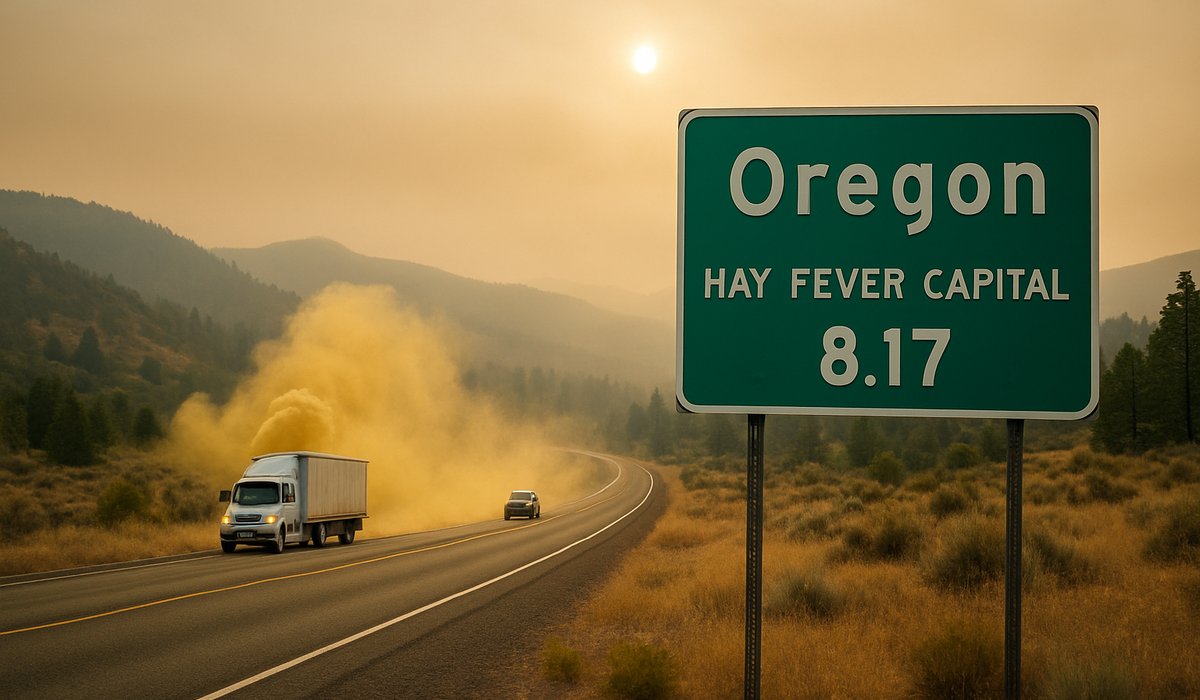
Image generated by AI
Oregon has emerged as the epicenter of an unprecedented pollen crisis that is fundamentally reshaping travel patterns across the American West. The state recorded an average pollen score of 8.17, far exceeding national averages and triggering widespread travel disruptions among allergy-sensitive visitors. This environmental catastrophe is now forcing travelers to reconsider their vacation plans to popular western destinations, with major cities including Portland, Eugene, Bend, and Sweet Home reporting dangerously elevated pollen concentrations that rival or exceed conditions in traditionally problematic regions.
The pollen crisis extends far beyond Oregon's borders, creating a domino effect of travel disruption across Idaho, Colorado, Utah, and Washington. Cities such as Pocatello and Twin Falls in Idaho, Colorado Springs and La Jara in Colorado, Salt Lake City and Provo in Utah, and Vancouver in Washington are all experiencing significantly elevated pollen levels that threaten to disrupt the spring and early summer travel season. South Beach in Oregon has recorded the highest pollen index score nationwide at 8.96, making it virtually uninhabitable for hay fever sufferers. The cascading effect of this environmental crisis is already visible in travel booking patterns, with tourism agencies reporting increased cancellations and postponements from allergy-sensitive travelers who are now prioritizing health considerations over vacation schedules.
The underlying cause of this unprecedented pollen explosion stems from a combination of dense vegetation, mixed climates, and seasonal wind patterns that amplify pollen dispersal across western regions. Oregon's ecological diversity, coupled with climate variability that experts warn is intensifying pollen production, has created perfect conditions for airborne allergen proliferation. High-altitude landscapes in Colorado and Utah, combined with dry air and seasonal plant cycles, further exacerbate the problem. Urban expansion into natural vegetation zones has worsened exposure levels, pushing even traditionally mild areas like Portland into the danger zone. According to the FAA's official guidance on travel disruptions, environmental factors increasingly influence travel safety and passenger health considerations, making pollen forecasts as critical as weather reports for trip planning.
The contrast between western and southeastern regions could not be more stark. Florida has emerged as the safest destination for hay fever sufferers, with an average pollen score of just 2.70, while Alabama and Mississippi also report significantly lower levels. Cities like West Palm Beach and Fort Pierce in Florida remain well below western averages, making southeastern states increasingly attractive alternatives for health-conscious travelers. This geographic disparity is already reshaping tourism demand patterns, with travel agencies reporting increased interest in Florida and other low-pollen destinations. The tourism industry is beginning to recognize pollen as a critical factor in travel planning, with hotels and resorts in high-pollen regions now implementing allergy-friendly services including advanced air filtration systems and expanded indoor activity alternatives.
For travelers currently planning trips to the Pacific Northwest and Mountain West regions, immediate action is essential. Consult detailed pollen forecasts before booking accommodations in Oregon, Idaho, Colorado, Utah, or Washington, particularly during spring and early summer months when pollen concentrations peak. Consider shifting travel dates to fall or winter when pollen levels decline significantly, or alternatively, redirect your vacation plans toward southeastern destinations where environmental conditions are substantially safer for allergy sufferers. Pack allergy medications, antihistamines, and nasal sprays if you must travel to affected regions, and research hotels offering enhanced air quality management systems. According to IATA travel health recommendations, travelers with known allergies should consult healthcare providers before embarking on trips to high-pollen environments. Monitor real-time pollen forecasts through official environmental agencies and adjust your itinerary accordingly to minimize health risks and ensure a safe, enjoyable travel experience.
Related Travel Guides
- Kolkata Metro Expands to 130 km Network in 2026 to Transform Urban Transit and Connectivity
- North Central Railway Extends Hubballi-Prayagraj and Bengaluru-Kanpur Special Trains Through September 2026
- Major Airlines Resume Gulf Flights: Cathay Pacific, Lufthansa, Delta Lead Middle East Aviation Recovery After Regional Disruptions in 2026
Disclaimer
This article is for informational and educational purposes only. It does not constitute legal, financial, or professional advice. While we strive to provide accurate and up-to-date information, travel policies, regulations, and conditions change rapidly. Always verify information with official sources before making travel decisions. Nomad Lawyer makes no representations about the accuracy, reliability, completeness, or suitability of the information provided. Readers should consult qualified professionals for advice specific to their circumstances. The views expressed in this article are those of the author and do not necessarily reflect the views of Nomad Lawyer.
Raushan Kumar
Founder & Lead Developer
Full-stack developer with 11+ years of experience and a passionate traveller. Raushan built Nomad Lawyer from the ground up with a vision to create the best travel and law experience on the web.
Learn more about our team →