
US Traveler Denied Entry Into Canada Over Rare Unsearchable Vehicle Rule in 2026
A US traveler was denied entry into Canada by CBSA after their vehicle was deemed unsearchable due to mismatched luggage and intended afternoon stay.

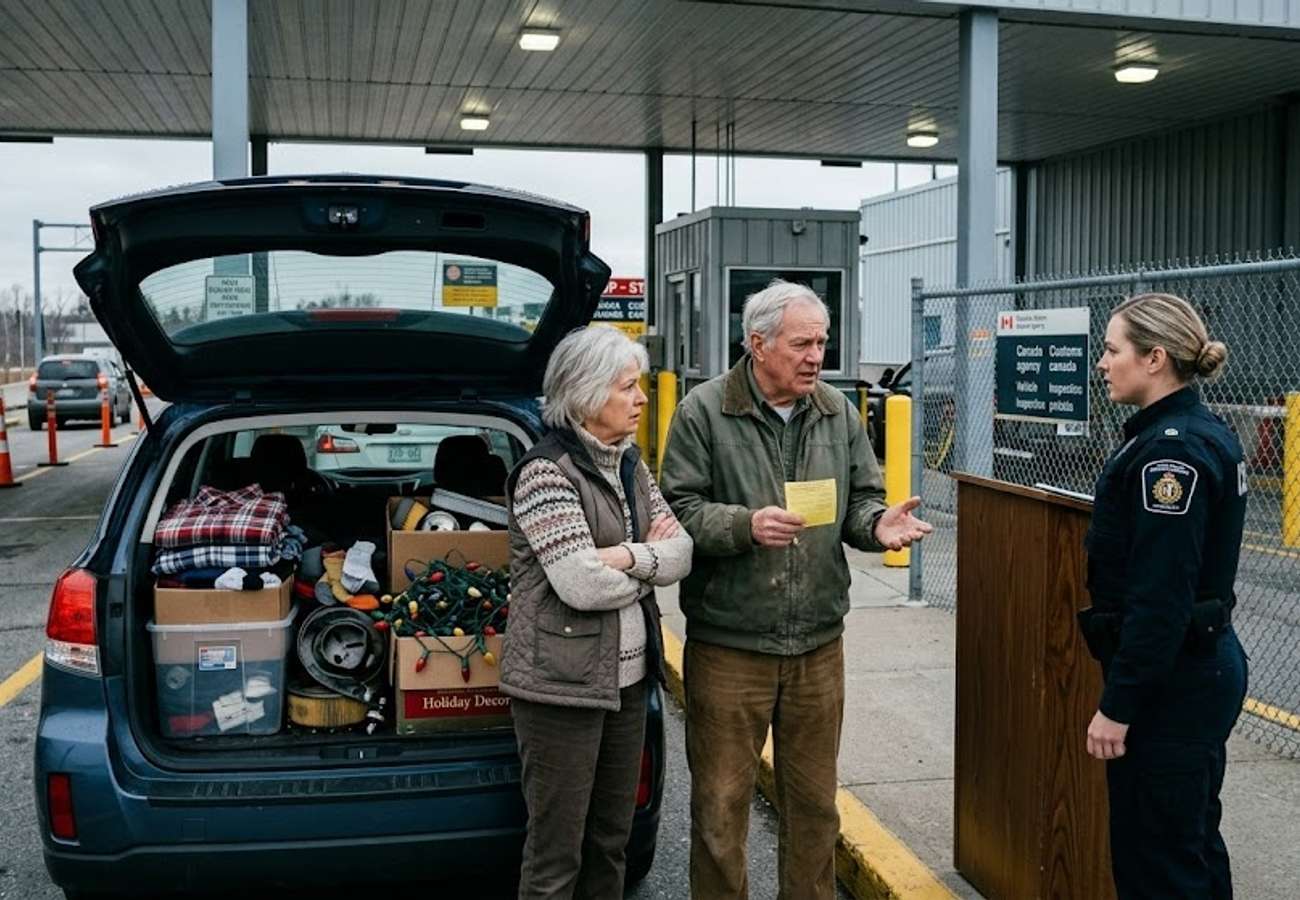
Image generated by AI
A United States traveler faced immediate denial of entry into Canada after Canada Border Services Agency (CBSA) officers deemed their vehicle "unsearchable." The refusal occurred because the contents of the traveler's car did not align with a planned afternoon visit, triggering strict border enforcement protocols.
The Disruption Details
On July 31, 2026, reports surfaced of a US citizen being refused entry at the Canadian border during their first trip to the country. The traveler intended to visit Canada for the afternoon but had a box and a half of clothes for donation, spare car parts, and Christmas decorations stored in their vehicle.
CBSA officers found the cargo inconsistent with a short-term visit. They classified the vehicle as unsearchable and denied the traveler entry. The individual was not required to sign any forms, but CBSA retained a yellow slip that had been previously filled out. Upon returning to the US side, US Customs and Border Protection (CBP) released the traveler after a standard ID check and a brief explanation of the CBSA refusal.
Border Impact Breakdown
- Affected Traveler: 1 US citizen entering Canada.
- Intended Length of Stay: Afternoon visit.
- Reason for Denial: Vehicle deemed "unsearchable" due to luggage mismatching the stated duration of the trip.
- Vehicle Contents: 1.5 boxes of clothes (for donation), spare car parts, and Christmas decorations.
- Documentation Issued: No forms signed by the traveler; CBSA retained a yellow slip.
- Potential Future Impact: System flags lasting up to 7 years, leading to potential secondary inspections on future crossings.
Passenger Rights & Advisory
Our analysis of the CBSA "Visitor Visa: prepare for your arrival" guidelines indicates that border officers possess broad discretion to refuse entry if they suspect a traveler might overstay. The CBSA explicitly states that visitors will not be allowed into Canada if they give false or incomplete information. The officer must be convinced that the traveler is eligible for entry and will leave Canada at the end of their approved length of stay.
For the affected passenger, this means the burden of proof rests entirely on demonstrating strong ties to their home country and aligning physical evidence with stated intentions. While CBSA officers cannot provide guaranteed entry for future visits, presenting the right evidence minimizes suspicion.
Actionable steps for US travelers crossing into Canada:
- Clean the vehicle: Remove items that do not directly relate to your stated travel purpose and length of stay. An empty vehicle is highly recommended after a previous denial.
- Carry proof of residence: Have documentation ready that proves property rental or ownership in the US.
- Provide proof of income: Ensure you can demonstrate sufficient funds to cover your stay without needing to work illegally.
- Show ties to the US: Be prepared to show proof of employment, marriage, or dependents if asked. Only present these documents if specifically requested by the officer.
- Prepare an itinerary: Have clear commitments, such as hotel bookings or planned activities, to validate the approved length of stay.
Industry Analyst View
Border enforcement data shows an increasing trend of rigorous secondary inspections at US-Canada crossings. Both CBSA and US CBP are actively targeting discrepancies between a traveler's stated intent and their physical evidence.
An unsearchable vehicle ruling is rare but highlights the strict interpretation of admissibility. Travelers must align their physical presentation with their verbal declarations to avoid long-term system flags. The traveler in this incident expressed concerns about future passport applications and border crossings. While the CBSA officer noted the individual was not formally flagged, data from border security systems suggests that refusal records can remain active for roughly 7 years.
During this period, the traveler should expect a higher probability of being sent to secondary inspection. Demonstrating clear financial independence and stable residence in the United States is the most effective strategy to overcome prior denial records.
Border compliance requires absolute alignment between your stated plans and your packed belongings.
Related Travel Guides
Disclaimer
This article is for informational and educational purposes only. It does not constitute legal, financial, or professional advice. While we strive to provide accurate and up-to-date information, travel policies, regulations, and conditions change rapidly. Always verify information with official sources before making travel decisions. Nomad Lawyer makes no representations about the accuracy, reliability, completeness, or suitability of the information provided. Readers should consult qualified professionals for advice specific to their circumstances. The views expressed in this article are those of the author and do not necessarily reflect the views of Nomad Lawyer.
Kunal K Choudhary
Co-Founder & Contributor
A passionate traveller and tech enthusiast. Kunal contributes to the vision and growth of Nomad Lawyer, bringing fresh perspectives and driving the community forward.
Learn more about our team →