
Federal Authorities Issue Urgent Cannabis Warning for US Travelers Amid State Legalization Gap
US federal authorities warn travelers that state-level cannabis legalization does not override federal law at airports, borders, and international crossings.

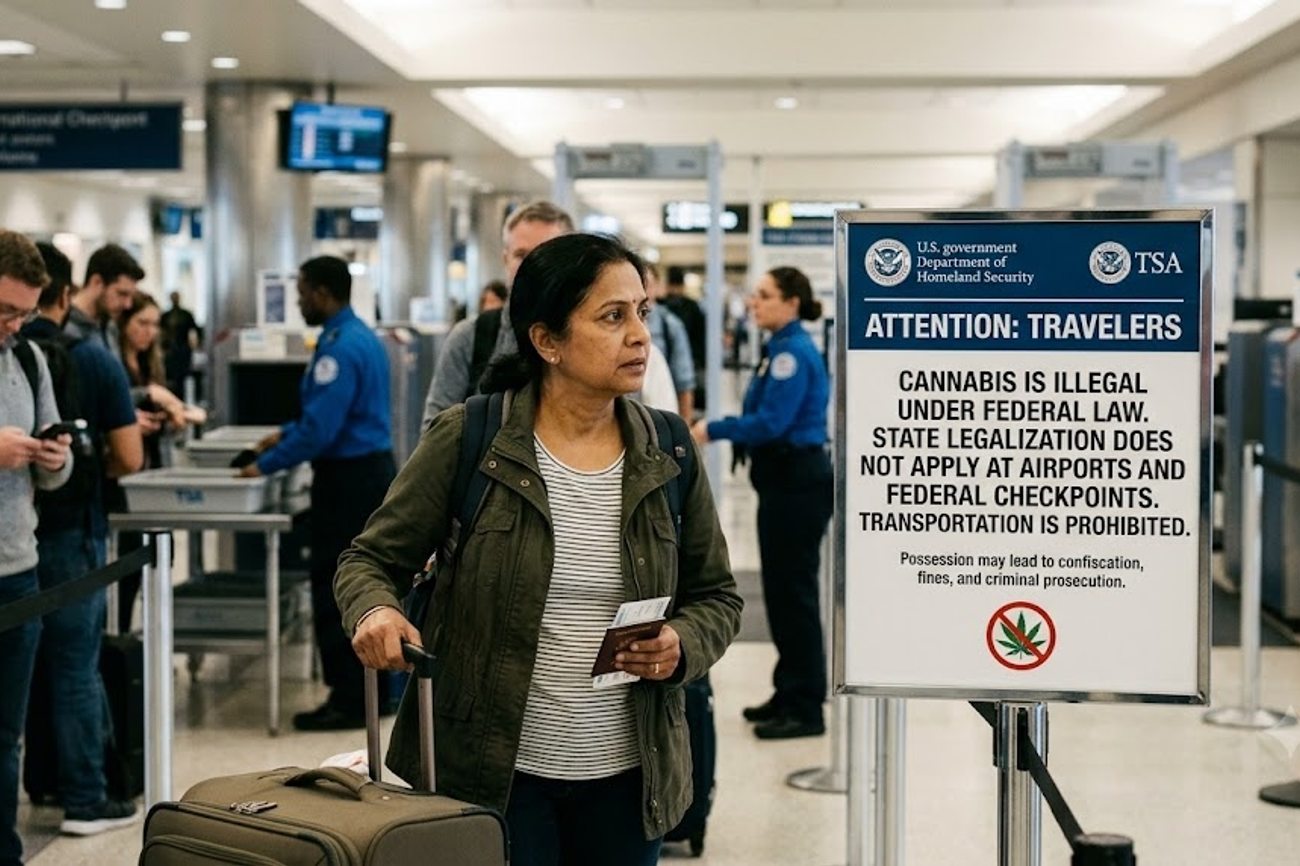
Image generated by AI
[Washington, D.C.] — Federal authorities have issued a critical legal alert to millions of visitors traveling to the United States, emphasizing that the legalization of marijuana in various states does not exempt travelers from federal drug laws. Despite the proliferation of cannabis-friendly hubs in cities like Las Vegas, Los Angeles, and Denver, the disconnect between state permissions and federal restrictions continues to pose a severe risk to passengers navigating airports and international borders.
The current regulatory environment has created a dangerous ambiguity for tourists. While a visitor may legally purchase cannabis products within a specific state's jurisdiction, those same products remain prohibited under federal law, which governs all aviation and border security operations.
Conflict Between State Approval and Federal Enforcement
The US travel landscape is currently grappling with a complex legal dichotomy. As more states implement comprehensive recreational and medical marijuana programs, a growing number of tourists are mistakenly assuming that state-level legality provides a "safe harbor" for transporting these substances.
Industry reports indicate that this confusion is most prevalent among visitors who believe that if a product is purchased legally in one state, it can be transported to another. However, federal regulations maintain a strict grip on the movement of controlled substances. This divide directly impacts holiday planning and business travel, as the legal status of cannabis can change the moment a traveler enters a federally managed zone.
Aviation Security and the Federal Regulatory Trap
Airports serve as the primary friction point for cannabis-related legal issues. Because aviation facilities operate under federal jurisdiction, the rules of the state in which the airport is located are often superseded by national law.
The Transportation Security Administration (TSA) has clarified that while its primary mission is the detection of threats to aviation security rather than the proactive policing of marijuana, it is mandated to report illegal substances to law enforcement. If security officers uncover cannabis during a routine screening, the passenger may be referred to local or federal authorities depending on the specific jurisdiction and current enforcement priorities.
This creates a precarious situation for passengers. A traveler might legally acquire cannabis in a city like Denver, but upon entering the airport terminal—a federal environment—they are technically in possession of a federally prohibited substance. The risk is further amplified for those on connecting flights, where a passenger may transit through a state or territory where cannabis possession remains a serious criminal offense.
High-Risk Zones at International Borders
The legal stakes escalate significantly for international arrivals and Americans traveling abroad. Federal authorities maintain absolute control over national borders, making the transportation of cannabis across these boundaries a high-risk activity.
For travelers moving between the United States and Canada, the risk remains high despite both nations having established legal frameworks for cannabis. Because the specific regulations, allowable quantities, and product types differ between the two countries, legal access in one does not grant permission for transport into the other.
International visitors entering the US are under similar scrutiny. Customs and Border Protection (CBP) officials operate under federal mandates; therefore, they do not recognize state-level legalization. Possession of cannabis, including medical marijuana, oils, or edibles, during entry can lead to:
- Immediate detention and questioning.
- Heavy financial penalties.
- Permanent immigration complications or bans.
- Criminal prosecution.
The Rise of Cannabis Tourism and the Education Gap
The emergence of "cannabis tourism" has become a significant driver for the visitor economies of Nevada, Colorado, and California. These regions have seen a surge in licensed dispensaries and specialized cannabis experiences tailored for tourists.
However, this economic growth has outpaced visitor education. Destination marketing organizations, hotel operators, and travel agencies are now facing the urgent task of informing guests about the legal boundaries of their purchases. The expansion of the cannabis market has essentially created a new category of travel risk, where a legal consumer experience in a hotel or dispensary can turn into a legal crisis at the airport.
Why This Matters: The Traveler's Perspective
For the modern traveler, this legal gap means that "legal" is a relative term. The primary takeaway is that state law protects you inside the state's borders, but federal law governs how you move between them.
From a logistical standpoint, this creates a "jurisdictional trap." A traveler might feel secure because they are in a "green" state, but the moment they step into a TSA line or a Customs hall, they have entered a federal zone where state protections vanish. For international visitors, this is particularly perilous; a misunderstanding of US federal law can lead to a lifetime ban from entering the country, regardless of whether the substance was purchased legally in a US state or their home country.
The real-world implication is clear: the only way to ensure a seamless travel experience is to avoid transporting any cannabis-related products—including CBDs and medical prescriptions—across state or national lines without explicit legal counsel and documentation.
Related Travel Guides
Disclaimer
This article is for informational and educational purposes only. It does not constitute legal, financial, or professional advice. While we strive to provide accurate and up-to-date information, travel policies, regulations, and conditions change rapidly. Always verify information with official sources before making travel decisions. Nomad Lawyer makes no representations about the accuracy, reliability, completeness, or suitability of the information provided. Readers should consult qualified professionals for advice specific to their circumstances. The views expressed in this article are those of the author and do not necessarily reflect the views of Nomad Lawyer.
Naina Thakur
Contributor & Travel Specialist
Travel enthusiast and legal writer covering visa regulations, responsible tourism, and cultural journeys across global destinations.
Learn more about our team →