
US State Department Issues Travel Advisories for Italy, Morocco, and Brazil: Abduction Risks and Border Checks

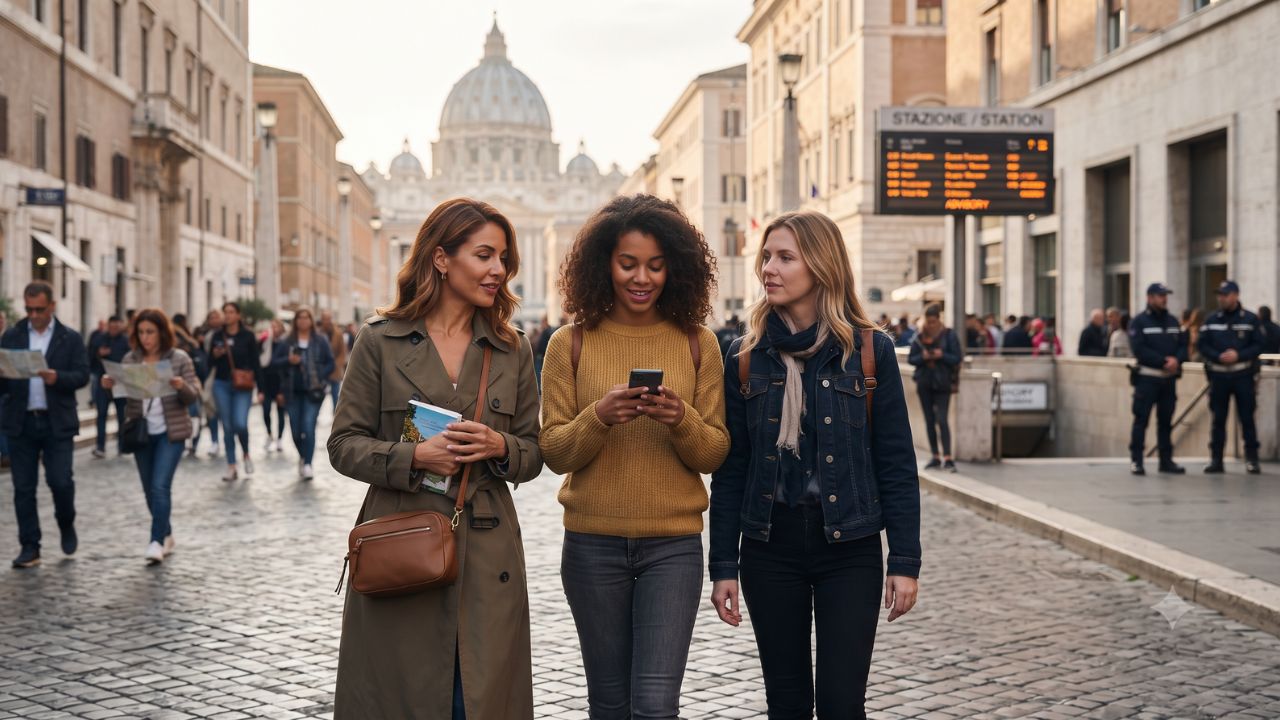
With strict Level 4 exclusion zones enforced within 160 kilometers of Brazil's land borders and targeted security advisories covering transit hubs across Italy and Morocco, updated consular intelligence reveals a complex personal security environment for international travelers. Coordinated travel bulletins released in October 2026 by the U.S. Department of State outline how criminal methodology has evolved along major European, North African, and South American passenger routes. While all three nations maintain a baseline Level 2 ("Exercise Increased Caution") designation, the nature of local vulnerabilities ranges from distraction-based transit theft in Italian railway stations to military perimeter checks in northern Morocco and violent, app-based express abductions in Brazilian metropolitan centers.
For corporate personnel, independent holidaymakers, and long-haul multi-destination travelers, these security notices demand customized defensive planning. The convergence of digital banking exploitation, physical transit bottlenecks, and public healthcare payment requirements underscores why travelers must look past broad country-level rankings to understand specific municipal threat vectors.
Tri-Continental Threat Analysis: Dissecting Operational Risks
Evaluating security directives across Italy, Morocco, and Brazil demonstrates three distinct criminal environments operating across urban, border, and residential districts:
Italy: Opportunistic Asset Targeting Across Rail and Urban Centers
Italy remains one of Southern Europe’s primary tourism and business gateways, yet dense passenger corridors face persistent property crime. In Rome’s Termini Station, Milan’s Piazza del Duomo, the historic center of Florence, and Naples’ metropolitan transit network, organized theft syndicates exploit crowded public areas through synchronized distraction maneuvers:
- Curbside Scooter Thefts: Two-person crews on motorbikes snatch handbags, wristwatches, and mobile devices directly from pedestrians walking along roadway edges.
- Staged Commuter Distractions: Coordinated groups create artificial blockages on metro platforms, offer unsolicited transit directions, or simulate accidental liquid spills inside railway carriages while accomplices quietly access unsecured backpack compartments.
- Automobile Break-Ins: Rental vehicles parked at highway rest stops or scenic coastal overlooks are targeted for exposed luggage, electronic gear, and passports.
- Healthcare Reimbursement Regulations: While emergency care is accessible, non-resident patients can be charged out-of-pocket for public healthcare services. Hospital administrative staff frequently demand direct credit card settlement or verified private medical insurance guarantee letters prior to patient discharge. The national emergency response number is 112.
Morocco: Medina Navigation and Northern Military Checkpoints
Morocco functions as a premier cultural bridge connecting Europe to North Africa. While commercial city centers like Casablanca and Rabat operate stably, visitors face unique geographical vulnerabilities in historic walled quarters and along sensitive administrative frontiers:
- Labyrinthine Medina Vulnerabilities: In Fez, Marrakech, and Tangier, narrow medieval streets frequently disrupt mobile satellite navigation signals. Unlicensed "false guides" offer directions or access to closed attractions, leading travelers into dead-end alleys before demanding aggressive exit payments.
- Souk Market Diversions: Marketplace performers, street hawkers, and deliberate crowding in souks provide cover for covert pickpocketing. Unlit peripheral alleys and secluded beaches carry elevated safety risks after nightfall.
- Northern Frontier Checkpoints: Travelers navigating the northern Mediterranean corridor near the Spanish autonomous enclaves of Ceuta and Melilla encounter active security operations. Multi-agency checkpoints, vehicle inspections, and transit delays are routine as authorities manage migration barriers. Travelers must carry physical passports and comply strictly with military and police directives. Urban police can be reached at 190, while the Royal Gendarmerie operates on 177.
Brazil: Express Abductions, Digital Extortion, and Exclusion Zones
Security advisories for Brazil outline aggressive personal security threats that contrast with the non-violent theft seen in Europe. In metropolitan areas like São Paulo, Rio de Janeiro, and Salvador, organized networks execute rapid kidnapping and digital extortion schemes:
- Express Kidnappings (Sequestros Relâmpago): Victims are intercepted near standalone street ATMs or quiet side streets, detained in vehicles for several hours, and forced under threat of physical violence to withdraw daily ATM cash limits or execute high-value instant transfers via mobile banking applications.
- App-Based Dating and Social Traps: Criminal syndicates increasingly utilize social networking and dating applications to lure foreign visitors to unmonitored private locations. Targets are held hostage, physically assaulted, or chemically incapacitated using sedative-laced drinks to drain financial accounts.
- Public Transit Risks: Municipal city buses carry elevated rates of armed robberies, leading official advisories to explicitly forbid government employees from using public bus networks.
- Mandatory Exclusion Zones: The State Department maintains strict prohibitions against entering informal housing developments (favelas, vilas, or comunidades), regardless of whether commercial walking tours are advertised. Furthermore, all international land border zones within 160 kilometers (100 miles) of neighboring countries are restricted due to cross-border trafficking networks, while satellite administrative cities surrounding Brasília—including Ceilândia, Santa Maria, São Sebastião, and Paranoá—carry strict nighttime warnings between 6:00 PM and 6:00 AM. Emergency police services are reached at 190, with medical emergency response on 192.
Comparative Security Risk Matrix
The operational protocols across Italy, Morocco, and Brazil require distinct defensive postures:
| Security Domain | 🇮🇹 Italy | 🇲🇦 Morocco | 🇧🇷 Brazil |
|---|---|---|---|
| Consular Risk Level | Level 2: Exercise Increased Caution | Level 2: Exercise Increased Caution | Level 2 (With Strict Level 4 Prohibitions) |
| Dominant Threat Pattern | Distraction pickpocketing, scooter snatching, vehicle break-ins | Unlicensed guide extortion, souk theft, border transit halts | Express abductions, instant digital extortion, armed bus hold-ups |
| Primary Critical Hotspots | Termini Station, Milan Duomo, Florence center, regional trains | Historic medinas in Fez/Marrakech, Ceuta/Melilla frontiers | Favelas, standalone street ATMs, municipal buses, border bands |
| Official Transit Policy | Secure luggage on racks; monitor bags during station stops | Use metered petit taxis; avoid isolated rural roads at night | Prohibit municipal buses; use vetted app-based or private drivers |
| Financial Security Rule | Cross-body bags; avoid keeping wallets in rear pockets | Agree on prices in advance; carry small cash denominations | Restrict active banking apps; use ATMs exclusively inside secured banks |
| National Emergency Line | Dial 112 (Single European Emergency) | Dial 190 (Urban Police) / 177 (Gendarmerie) | Dial 190 (Military Police) / 192 (SAMU Ambulance) |
Expert Analysis: Crime Specialization, Digital Coercion, and Yield Impacts
The divergence in threat profiles between European gateways and South American destinations reflects broader shifts in global criminal specialization.
For travelers booking this route, the direct consequence is that conventional personal safety measures—such as wearing money belts or carrying hotel business cards—are wholly inadequate against modern digital and physical coercion. In Italy, criminal groups rely on stealth and cognitive distraction, exploiting travelers whose attention is captured by historical monuments or crowded train departure boards. Conversely, in Brazil, criminal operations bypass physical cash entirely, using physical intimidation to exploit instant mobile financial platforms. A traveler confronted in São Paulo is forced to authenticate digital payment applications using biometrics or facial recognition, turning a standard smartphone into an immediate financial liability.
The pricing pressure this creates means that travelers seeking secure movement must allocate significant portions of their travel budget toward defensive logistics. In Brazilian hubs, budget-conscious travelers can no longer rely on affordable municipal bus networks; instead, security requirements compel visitors to budget for vetted private drivers, secure hotel-arranged transport, and armored vehicle transfers in high-risk commercial zones.
Similarly, in Morocco, navigating historic medinas safely frequently requires hiring licensed, state-certified tour guides through regional tourism offices to avoid aggressive solicitation. Across Italy, avoiding vehicle break-ins requires paying premium daily rates for private underground parking garages rather than utilizing public street bays. These defensive adjustments substantially increase the daily cost of travel across all three regions.
Furthermore, corporate security directives developed in coordination with the Overseas Security Advisory Council (OSAC) demonstrate that corporate travelers face strict institutional compliance mandates. Organizations operating in Brazil routinely require personnel to carry temporary "clean" mobile devices stripped of corporate banking apps, enforce strict curfews in satellite administrative districts, and mandate enrollment in the State Department's Smart Traveler Enrollment Program (STEP).
Actionable Passenger Guidance: Defensive Protocols Across Global Hubs
International travelers navigating Italy, Morocco, and Brazil should adopt structured security practices to mitigate specialized threats:
- Digital Device Hardening: Before entering high-risk metropolitan areas in Brazil, remove sensitive mobile banking, brokerage, and instant payment applications from daily smartphones. Utilize secondary authentication passwords and hide financial software within encrypted folders to minimize extortion leverage during express abductions.
- Transit and Luggage Discipline in Italy: When traveling on Italian State Railways networks, keep small backpacks and electronic bags physically strapped to your person rather than placed in overhead racks or end-of-car luggage bays. On crowded platforms at Rome Termini or Milan Central, maintain continuous physical contact with all rolling bags.
- Navigating Moroccan Medinas: Download offline vector maps on devices prior to entering walled quarters in Fez or Marrakech, where narrow masonry alleys block cellular signals. If approached by unsolicited individuals claiming an attraction is closed, decline politely and enter a local commercial establishment or hotel lobby to verify directions.
- Strict Adherence to Brazil Exclusion Zones: Under no circumstances should travelers enter informal favela settlements, regardless of promotional social media marketing or neighborhood walking tour listings. Maintain strict daytime-only movement in national border regions and avoid standalone sidewalk ATMs, transacting exclusively inside guarded bank branches or monitored shopping complexes.
Key Takeaways
- Diverse Operational Threat Profiles: While Italy, Morocco, and Brazil hold Level 2 State Department designations, local threats range from distraction-based theft in Italy to military checkpoints in Morocco and violent express abductions in Brazil.
- Severe Brazilian Exclusion Zones: The US government enforces strict Level 4 prohibitions against entering any informal favela settlements and international land border bands within 160 kilometers of neighboring states.
- Digital Financial Extortion: Criminals in major Brazilian metropolitan centers target smartphones, detaining victims to force immediate transfers through mobile banking applications.
- Italian Transit Vulnerabilities: Organized syndicates operate across major transit hubs including Rome Termini, Milan Duomo, and Florence, utilizing scooter snatching and staged distraction techniques.
- Moroccan Border Checks: Travelers traversing northern Morocco near the Spanish enclaves of Ceuta and Melilla face military checkpoints, perimeter vehicle searches, and transit delays.
FAQ: State Department Advisories for Italy, Morocco, and Brazil 2026
What are the main safety concerns for tourists traveling to Italy?
The primary concerns are distraction theft, pickpocketing, and scooter-based bag snatching in crowded transit hubs like Rome Termini and Milan Duomo, alongside potential out-of-pocket public healthcare charges for non-resident patients.
Why are favelas in Brazil classified as Do-Not-Travel zones?
Favelas are informal settlements operating outside normal law enforcement oversight, carrying high rates of armed robbery, gang activity, and violent crime that make them unsafe for tourists, even on guided tours.
How do express abductions operate in Brazil?
Perpetrators intercept victims near standalone ATMs or side streets, detaining them under physical threat to force daily ATM cash withdrawals or coerce instant electronic transfers via mobile banking applications.
What precautions should travelers take when visiting Moroccan medinas?
Travelers should use offline maps, decline assistance from unlicensed guides, agree on taxi prices prior to departure, and keep valuables secure in high-density markets like Marrakech and Fez.
[In an increasingly interconnected travel landscape, true security is defined not by the passport you carry, but by your situational awareness on the ground.]
Related Travel Guides
- US Inbound Tourism Squeezed: Overseas Arrivals Slump 11.8% as Local Spending Drops 9% Across Major Hubs
- FIFA World Cup 2026 Travel Surge: Host City Flight Bookings, FIFA PASS Visas, and Transit Logistics
- Expedia 2027 Travel Trends: Gothic Getaways, Trip Snacking, and Regional Escapes Reshape Global Tourism
Disclaimer
This article is for informational and educational purposes only. It does not constitute legal, financial, or professional advice. While we strive to provide accurate and up-to-date information, travel policies, regulations, and conditions change rapidly. Always verify information with official sources before making travel decisions. Nomad Lawyer makes no representations about the accuracy, reliability, completeness, or suitability of the information provided. Readers should consult qualified professionals for advice specific to their circumstances. The views expressed in this article are those of the author and do not necessarily reflect the views of Nomad Lawyer.
Naina Thakur
Contributor & Travel Specialist
Travel enthusiast and legal writer covering visa regulations, responsible tourism, and cultural journeys across global destinations.
Learn more about our team →