
US Tourism Faces Visa Bottleneck Crisis as Brazil and Colombia Backlogs Stall Inbound Recovery in 2026
Visa appointment delays in Brazil and Colombia are threatening US inbound tourism recovery despite strong domestic travel demand. Here's what you need to know.

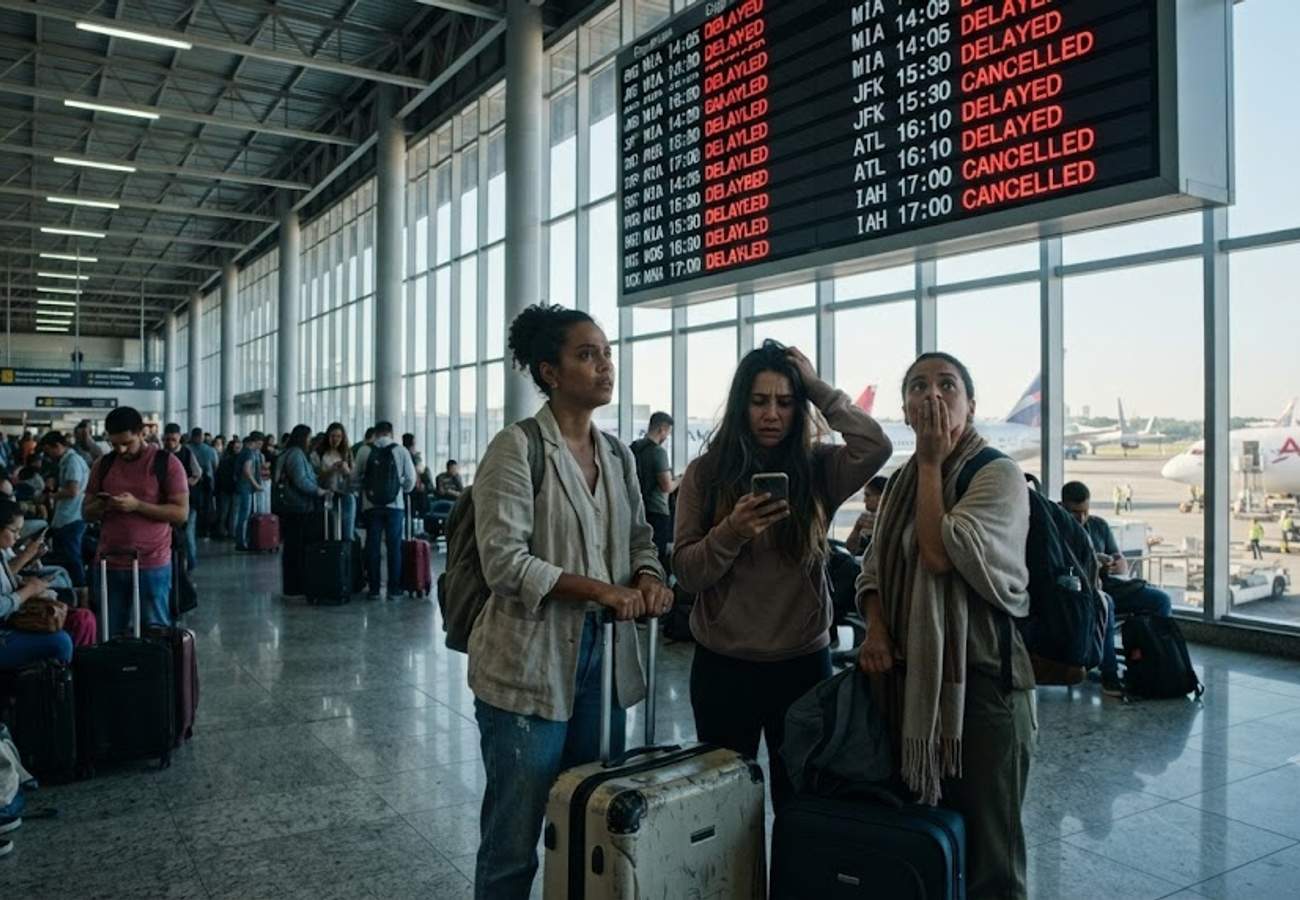
Image generated by AI
The United States is facing a tourism recovery paradox that's creating real frustration for international travelers and industry stakeholders alike. While domestic leisure travel remains firing on all cylinders, a critical bottleneck is quietly sabotaging inbound growth from two of South America's most valuable travel markets.
The culprit? Visa appointment backlogs in Brazil and Colombia that show no signs of clearing.
According to the U.S. Travel Association, these delays are having tangible effects on traveler behavior—people are postponing trips, canceling bookings, or simply choosing alternative destinations where entry requirements don't demand months of waiting. For a tourism sector trying to rebuild momentum, this is a serious problem.
The Domestic Story: Strong and Getting Stronger
Let me be clear: inside the United States, leisure travel is booming.
Summer 2026 has seen explosive demand across every major destination. Florida, California, Nevada, New York, Texas, Hawaii, and Alaska are reporting near-capacity hotel occupancy rates. Airlines are running packed flights. Theme parks, attractions, and restaurants are thriving. Road trips, family vacations, and national park visits are sustaining the industry through peak season.
Reddit: "Domestic travel has never been better—booked three family trips this summer alone." — r/travel
The numbers tell the story: domestic travelers are spending aggressively on accommodations, dining, retail, and experiences. For many tourism businesses, this domestic anchor is providing crucial revenue stability.
But here's the uncomfortable truth: international visitors spend significantly more per trip than domestic travelers. When inbound tourism stumbles, the entire ecosystem feels it—especially gateway cities like New York, Miami, Los Angeles, San Francisco, and Chicago that depend heavily on international dollars.
Where the Damage Is Happening
The visa crisis is hitting hardest in South America—specifically Brazil and Colombia, two of the highest-value source markets for US tourism.
Brazil has traditionally been a powerhouse. Brazilian travelers drive substantial spending across:
- Premium hotel bookings
- Luxury retail experiences
- Theme park visits (Orlando is particularly dependent on Brazilian visitors)
- High-value city tourism in Miami and New York
Colombia represents another critical growth market, with sustained demand for leisure travel, family visits, educational trips, and shopping tourism.
Yet both nations are experiencing severe appointment bottlenecks. First-time visa applicants are facing months-long wait times before they can even schedule an interview. When you're planning a vacation months in advance and can't secure a visa appointment for 90+ days, the logical decision is often to look elsewhere.
The Real Cost of Delay
Here's what industry leaders are telling me privately: visa appointment availability is now a primary factor influencing travel decisions.
When potential travelers from Brazil or Colombia discover they can't get a visa interview for months, they don't just wait patiently. They:
- Postpone trips indefinitely
- Book flights to competing destinations (Europe, Asia, Latin America)
- Cancel hotel reservations
- Abandon planned shopping and entertainment spending
For airlines operating São Paulo, Rio de Janeiro, Brasília, Bogotá, Medellín, and Cartagena routes, these delays directly suppress demand projections. For destination marketing organizations promoting Florida, New York, and Las Vegas, the impact is measurable and concerning.
A comprehensive analysis from the U.S. Travel Association demonstrates that visa processing efficiency is now a competitive advantage in the global tourism marketplace. When countries like those in Europe and Southeast Asia offer streamlined digital entry systems and faster approvals, the contrast becomes unavoidable.
Airlines Are Betting on Recovery Anyway
Despite the visa headaches, major carriers continue expanding South American capacity.
Airlines recognize that underlying travel demand from Brazil and Colombia remains fundamentally strong. They're maintaining—even expanding—connectivity on premium routes. This confidence suggests industry leaders believe the visa backlog is a temporary policy issue, not a structural demand problem.
But temporary issues can cause real damage. Each month of delay represents lost tourism revenue, suppressed economic activity, and competitive disadvantage.
The Global Competition Factor
This crisis arrives precisely when international tourism competition is intensifying. Every major destination region is competing fiercely for international visitors through:
- Simplified visa processes
- Digital-first entry systems
- Rapid approval timelines
- Expanded air connectivity
- Aggressive marketing campaigns
When Brazil and Colombia travelers face months-long waits for US visa appointments, while alternative destinations offer 30-day processing or visa-free entry, the choice becomes obvious.
The United States risks losing first-time visitors to competitors when administrative friction becomes too high. Once lost, these travelers often don't return.
What Recovery Actually Requires
Tourism stakeholders across the country are unified on one point: visa processing efficiency is now essential to competitive positioning.
Industry organizations continue working with government agencies to address capacity constraints. The conversation has shifted from "when will recovery happen" to "how quickly can we remove friction from the entry process."
According to recent travel industry research, visa processing speed has become a decisive factor in destination choice. This isn't theoretical—it's influencing booking decisions right now.
The Numbers You Need to Know
- Domestic leisure travel: Strong across all major US destinations
- Brazil and Colombia: Among the highest-spending source markets per visitor
- Visa wait times: Months-long delays for first-time applicants in both countries
- International visitor spending: Significantly higher than domestic travelers
- Airline capacity: Continuing to expand despite visa-related challenges
The timeline is stark: by mid-2026, the U.S. Travel Association began publicly highlighting visa backlogs as a material threat to inbound recovery. We're now in the period where policy responses will determine whether the US tourism sector achieves balanced recovery or settles for domestic-only growth.
What Travelers and Industry Leaders Can Do
If you're planning international travel to the US from Brazil or Colombia, start your visa process now—don't wait. Assume longer timelines than historical norms and build in buffer time before your planned travel dates.
For tour operators, hotels, and destination marketers: acknowledge this headwind openly with clients. Manage expectations. Consider promotional partnerships with airlines that maintain strong connectivity despite current challenges.
The underlying demand is real. The destinations are worth visiting. But right now, getting there requires patient navigation of an administrative process that's become a genuine bottleneck.
The US tourism recovery story has two versions: a strong domestic narrative and a stalled international one—and visa backlogs are the reason.
Related Travel Guides
Disclaimer
This article is for informational and educational purposes only. It does not constitute legal, financial, or professional advice. While we strive to provide accurate and up-to-date information, travel policies, regulations, and conditions change rapidly. Always verify information with official sources before making travel decisions. Nomad Lawyer makes no representations about the accuracy, reliability, completeness, or suitability of the information provided. Readers should consult qualified professionals for advice specific to their circumstances. The views expressed in this article are those of the author and do not necessarily reflect the views of Nomad Lawyer.
Kunal K Choudhary
Co-Founder & Contributor
A passionate traveller and tech enthusiast. Kunal contributes to the vision and growth of Nomad Lawyer, bringing fresh perspectives and driving the community forward.
Learn more about our team →