
Severe Storm Safety Alert: Why Taping Windows Fails, Overlooked Garage Door Risks, and FEMA Emergency Protocols

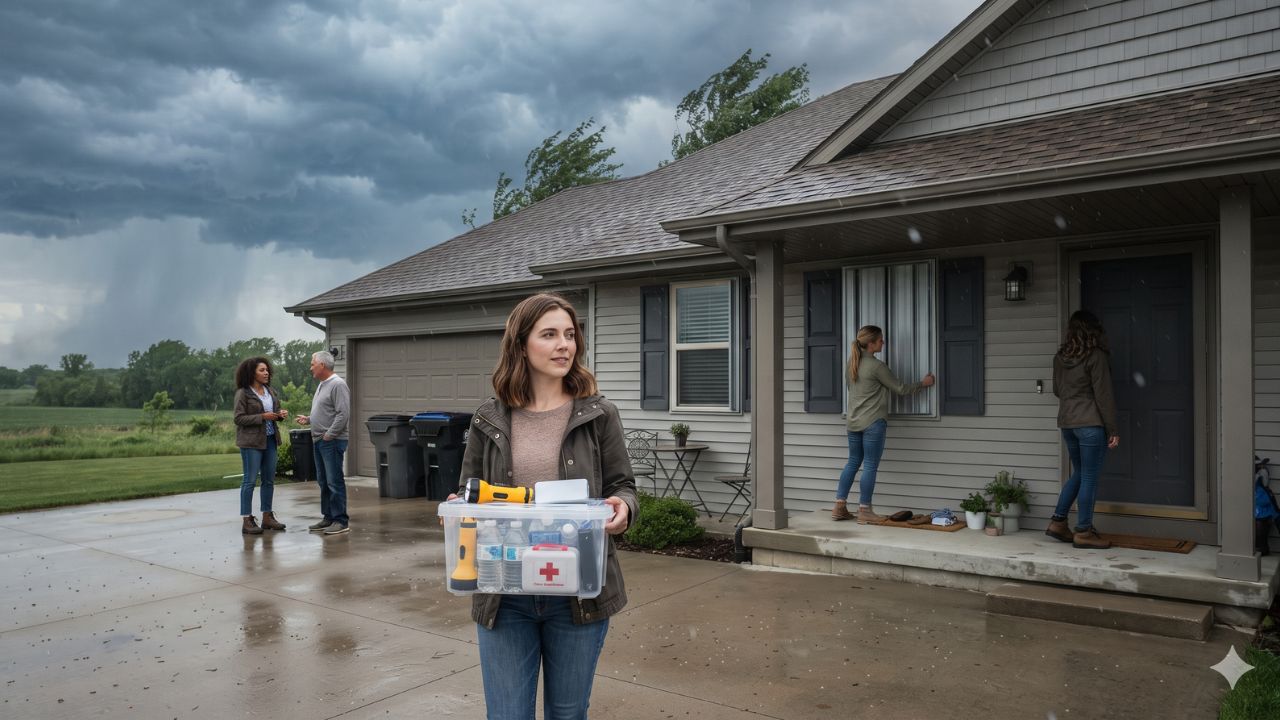
With the National Weather Service confirming that just 12 inches of moving floodwater can carry away a passenger vehicle, and structural engineers warning that taping windows provides zero resistance against hurricane-force winds, severe storm preparedness has become an urgent legal and operational priority for property owners and vacation travelers alike. Drawing on consolidated safety standards from the Federal Emergency Management Agency (FEMA), the National Weather Service (NWS), and the Insurance Institute for Business & Home Safety (IBHS), weather safety specialists are urging homeowners, holidaymakers, and short-term rental operators to discard persistent preparation fallacies. When extreme weather threatens coastal destinations, relying on folk remedies rather than engineered structural defenses invites catastrophic structural failure and personal injury.
For travelers occupying coastal resorts, vacation cottages, or rental apartments in storm-prone regions, understanding building vulnerabilities is vital. Severe weather events introduce intense atmospheric wind sheer, projectile debris, power outages, and sudden inland flooding. Advance readiness—securing roof assemblies, bracing vulnerable garage doors, maintaining minimum emergency reserves, and adhering to strict generator operating distances—determines whether a structure survives an extreme storm intact.
Deconstructing the Window Taping Fallacy: Wind Pressures, Glass Dynamics, and Garage Door Failures
The practice of applying duct tape or masking tape across window panes in an 'X' pattern remains one of the most stubborn and dangerous myths in storm protection. Safety authorities consistently confirm that adhesive tape does not strengthen glass, increase flexural rigidity, or prevent panes from shattering under cyclonic wind loads. Instead, tape creates larger, heavier, and more hazardous shards when the glass inevitably implodes under barometric pressure differentials or projectile impacts. Rather than small, relatively harmless fragments, taped glass shatters into lethal guillotine-like pieces propelled inward by wind forces.
Effective window defense requires certified impact barriers. The IBHS advises property managers to install permanently mounted storm shutters, appropriately anchored exterior-grade plywood panels cut to window dimensions, or certified impact-resistant laminated glazing that adheres to regional building codes. These physical barriers absorb kinetic energy from flying tree limbs, gravel, and loose lawn equipment, keeping the building envelope sealed.
Equally vulnerable, yet frequently ignored, is the residential garage door. Technical guidance from structural specialists at Roofing SEO Services, led by Director Dr M Mansoor Siddique, emphasizes that garage door failure often triggers the total destruction of a home during extreme gales. As the single largest structural aperture on a building, an unreinforced garage door can buckle under inward pressure or pull free from its mounting tracks under negative aerodynamic pressure. Once the garage door fails, high-velocity winds rush into the interior, pressurizing the ceiling from beneath while external winds create aerodynamic suction above the roof. This internal pressure differential frequently lifts the entire roof truss assembly off the load-bearing walls, resulting in structural collapse.
Property owners must inspect roofs for loose, cracked, or missing shingles and tiles, clear accumulated pine needles and leaves from gutters to facilitate drainage, and remove dead or diseased tree branches within striking distance of the building. Loose patio furniture, metal barbecues, trash bins, and gardening implements must be secured indoors before outer storm bands arrive to prevent them from becoming destructive projectiles.
| Structural Threat & Safety Vector | Ineffective or Hazardous Practice | Official Engineering & Life-Safety Standard | Governing Agency or Authority | Consequence of Non-Compliance |
|---|---|---|---|---|
| Window Protection | Applying tape across window panes | Install engineered shutters, impact glass, or anchored plywood | IBHS / FEMA | Glass shatters into large, lethal flying shards; internal pressurization |
| Garage Door Security | Leaving standard light-gauge door unbraced | Install wind-rated doors or retrofitted vertical bracing kits | IBHS Standards | Door tracks buckle, pressurizing interior and causing total roof detachment |
| Portable Generator Use | Operating in garage, porch, or near windows | Operate outdoors only, minimum 20 feet (6m) away with exhaust diverted | FEMA / NWS Safety Rules | Rapid accumulation of lethal, odorless carbon monoxide gas |
| Roadway Flood Navigation | Driving through standing or flowing water | Turn Around Don't Drown: avoid all moving water (>12 inches sweeps cars) | National Weather Service | Vehicle loss of traction, engine stalling, and fatal sweep into currents |
| Household Drinking Water | Relying on municipal tap during storm | Store at least 1 gallon of potable water per person per day for several days | FEMA Emergency Guidance | Acute dehydration and exposure to contaminated municipal water mains |
| Calm Eye of the Hurricane | Venturing outdoors during temporary calm | Remain in interior safe room; prepare for violent wind reversal | NWS Hurricane Protocols | Sudden exposure to destructive counter-winds without protective shelter |
| Emergency Power Outage Light | Burning decorative candles | Use battery-powered torches, lanterns, and LED lights | FEMA Fire Prevention | High structural fire hazard from open flames during electrical outages |
| Post-Storm Insurance Claims | Discarding damaged building components immediately | Photograph and log all structural damage before starting repairs | Insurance Industry Standards | Disputed reimbursement claims and delayed insurer settlement approvals |
This operational matrix establishes that building integrity depends on physical barrier compliance, spatial separation of toxic exhaust systems, and disciplined hydrological avoidance.
Expert Analysis: Vacation Rental Duty of Care, Insurance Compliance, and Evacuation Mechanics
For travelers booking coastal vacation rentals, the direct consequence of inadequate property preparation is an abrupt escalation from a ruined holiday to an acute survival scenario. Guests staying in unfamiliar destinations often lack awareness of local flood zones, municipal evacuation corridors, and designated community storm shelters. When severe weather warnings are posted, visitors must verify the location of interior, windowless shelter rooms on the lowest safe floor, identify emergency exits, and monitor official National Weather Service broadcasts rather than unverified community message boards.
For property managers and short-term rental hosts operating along vulnerable coastlines, the legal liability of relying on debunked preparation tactics creates severe financial exposure under premises liability law. Failing to supply storm-rated window protection, neglecting tree maintenance, or placing portable generators within the hazardous 20-foot perimeter breaches reasonable standards of care. A host who provides a generator without enforcing proper outdoor setbacks exposes guests to silent carbon monoxide poisoning, which can reach lethal concentrations within minutes.
Power disruptions and post-storm recovery require strict logistical discipline. Once municipal electrical grids fail, residents must avoid fallen power cables, which may remain energized or touch metal fences and water pools. Flooded terrain poses severe chemical and biological risks: storm runoff frequently conceals sharp debris, exposed sewer lines, toxic industrial chemicals, and electrical currents.
When winds subside, homeowners and property managers must await official civil defense clearance before conducting exterior damage assessments. Thorough photographic documentation of structural harm—captured prior to commencing emergency tarping or board-up repairs—provides the necessary empirical foundation for property insurance claims. Maintaining waterproof digital copies of identity papers, insurance contracts, and emergency contact lists ensures that both residents and displaced travelers can navigate post-disaster administrative recovery without bureaucratic paralysis.
Key Takeaways
- Window Taping Danger: Taping glass provides zero structural protection against wind forces and actually increases injury risks by producing larger, heavier shrapnel when the pane breaks.
- Garage Door Vulnerability: Garage doors represent the primary structural vulnerability during hurricanes; an unreinforced door failure can pressurize the interior and rip the entire roof from the building.
- Generator Safety Setbacks: Portable backup generators must operate exclusively outdoors at least 20 feet (6 meters) away from buildings, with exhaust directed away from doors, windows, and vents to prevent carbon monoxide poisoning.
- Lethal Floodwater Depths: Just 12 inches of moving water can carry away a passenger vehicle; drivers and pedestrians must never attempt to cross submerged streets or bridges.
- Essential Emergency Reserves: FEMA mandates storing at least one gallon of potable water per person per day for multiple days, alongside battery-powered lighting, non-perishable food, and waterproof document storage.
FAQ: Severe Weather Safety and Property Protection 2026
Does putting tape on windows protect a house during a hurricane?
No. Tape does not strengthen window glass against wind or flying debris. In high winds, taped windows break into larger, more dangerous shards that increase the risk of severe injury.
Why is the garage door considered a critical structural weak point?
As the largest opening in a home, a failing garage door allows high winds to enter, pressurizing the interior while external suction pulls on the roof, frequently leading to roof detachment.
How far away from a building should a portable generator run?
Generators must operate outdoors at least 20 feet (approximately 6 meters) away from all structures, ensuring exhaust is pointed away from windows, doors, and ventilation intakes.
How much moving water does it take to sweep away an automobile?
The National Weather Service warns that approximately 12 inches of moving water can carry away a small vehicle, while deeper water can float and threaten larger trucks.
By abandoning dangerous preparation myths and investing in certified wind-rated defenses, property owners and travelers ensure structures remain secure through the fiercest storms.
Related Travel Guides
Disclaimer
This article is for informational and educational purposes only. It does not constitute legal, financial, or professional advice. While we strive to provide accurate and up-to-date information, travel policies, regulations, and conditions change rapidly. Always verify information with official sources before making travel decisions. Nomad Lawyer makes no representations about the accuracy, reliability, completeness, or suitability of the information provided. Readers should consult qualified professionals for advice specific to their circumstances. The views expressed in this article are those of the author and do not necessarily reflect the views of Nomad Lawyer.
Raushan Kumar
Founder & Lead Developer
Full-stack developer with 11+ years of experience and a passionate traveller. Raushan built Nomad Lawyer from the ground up with a vision to create the best travel and law experience on the web.
Learn more about our team →