
Midwest Tourism Adaptations: How Iowa and Wisconsin are Launching Slow Travel Campaigns to Rebuild Canadian Visitor Demand
Midwest states launch experience-led marketing campaigns to counter a decline in Canadian tourists following changing border and currency conditions in 2026.

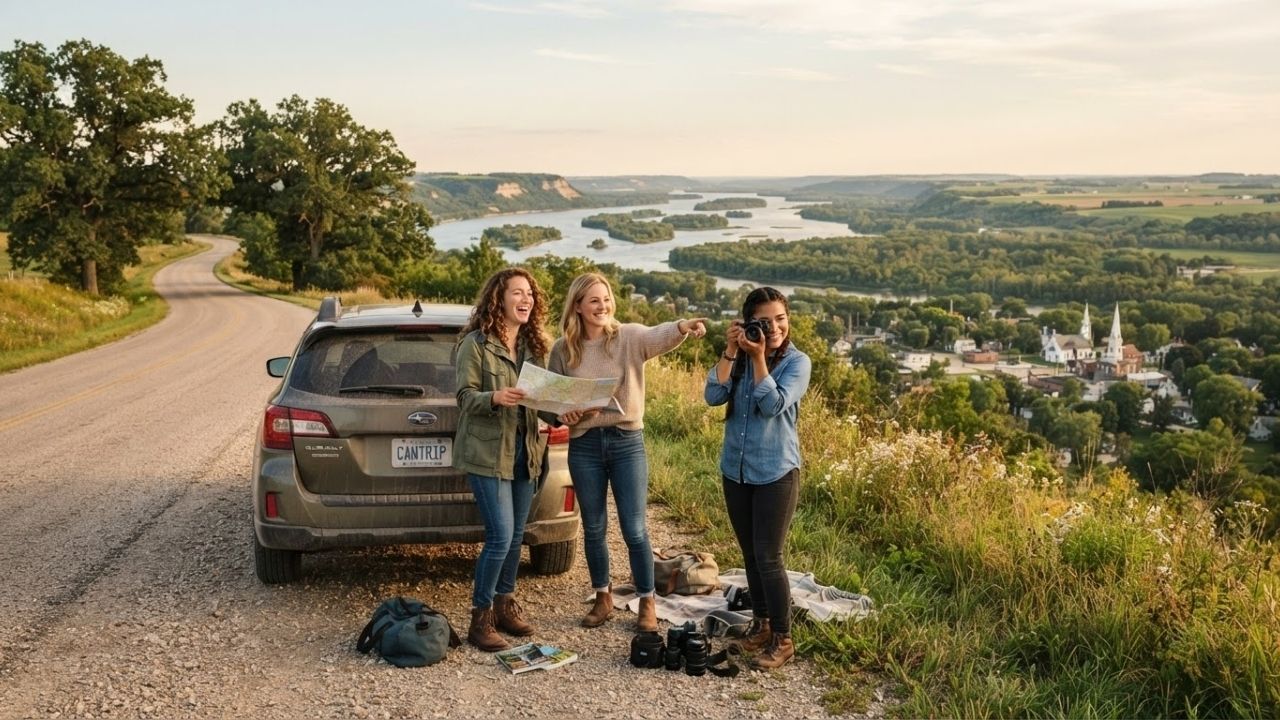
Image generated by AI
Launching experience-led marketing campaigns to counter changing trade and border policy debates, Midwest states are actively working to attract Canadian road travelers.
Outbound travel from Canada to the United States has faced shifting dynamics as economic pressures and political changes impact traveler behavior. Official data from Statistics Canada confirmed notable reductions in Canadian return trips from the United States in 2025. In response, regional tourism boards are shifting their focus to local hospitality, outdoor adventure, and slow travel. Iowa’s new "Give It Time" campaign and Wisconsin's "Here's to Those Who Wisconsin" campaign serve as models for this transition, prioritizing authentic community experiences to rebuild traveler confidence.
Declining Outbound Volume: The 2025 US-Canada Tourism Shift
Canadian travelers have historically represented a vital international market for US border states and sunbelt destinations. These visitors tend to stay longer, travel by road, and spend across multiple sectors including lodging, dining, retail, and municipal attractions. However, changes in exchange rates and trade discussions led to a drop in Canadian visits in 2025.
To protect their tourism economies, states like Wisconsin, California, Florida, and New York are increasing their targeted marketing. For example, Visit California launched its "California Loves Canada" campaign to maintain its market share. Tourism records show that more than 1.8 million Canadians visited California in 2024, contributing approximately US$3.7 billion in visitor spending. The loss of these volumes in other states has forced regional destinations to adjust their strategies.
Iowa's Campaign: The Give It Time Slow Travel Philosophy
Iowa’s tourism office is shifting away from traditional destination advertising that highlights only famous landmarks. Instead, Travel Iowa is promoting the concept of slow travel, encouraging visitors to take longer, more relaxed journeys. The "Give It Time" campaign focuses on affordable, authentic experiences that are unique to the state.
The campaign highlights scenic road trips, local agricultural experiences, historic towns, and outdoor recreation. This strategy aims to appeal to Canadian travelers who enjoy self-driven road trips, family vacations, and community-led events. By spreading visitor activity across rural communities, the campaign helps distribute tourism revenue to small businesses.
Wisconsin's Focus: Target Audiences and Outdoor Recreation Appeal
Wisconsin is addressing the drop in arrivals by highlighting its outdoor recreation options. Led by the Wisconsin Department of Tourism, the state's marketing campaign uses the brand message "Wisconsin, where the unexpected is ready to be discovered." This campaign focuses on the state's natural assets, including its lakes, forests, and family attractions.
For Canadian travelers, particularly those driving from Ontario and nearby provinces, Wisconsin's primary advantage is its proximity. The state's marketing targets road travelers who are looking for hiking, fishing, boating, and winter sports. This strategy helps protect the state's established visitor base, encouraging repeat visits to northern communities.
Comparing Regional Markets: Wisconsin's Proximity vs Iowa's Growth Space
A direct comparison of Canadian visitor numbers between Iowa and Wisconsin requires caution. Neither Travel Iowa nor Travel Wisconsin publishes identical annual tables showing total Canadian tourist arrivals for 2024, 2025, and 2026. However, historical data shows that Wisconsin holds a stronger position due to its border proximity and established outdoor recreation markets.
Wisconsin serves as a natural destination for Canadian road travelers seeking lake and forest recreation. Iowa's Canadian market is smaller, but it presents a growth opportunity. The state's slow-travel message matches a growing traveler preference for uncrowded, affordable destinations that offer genuine community interactions.
Sustainable Land Travel and Rural Economic Revitalization
The focus on slow travel and road trips supports sustainable tourism initiatives. By traveling by land rather than booking short-haul flights, Canadian visitors can reduce the carbon footprint of their vacations. Staying in independent guesthouses and buying from local farms helps ensure that travel spending directly supports rural communities.
In both states, visiting state parks and buying from regional food producers helps fund local conservation and agricultural preservation. These practices align with the goals of local tourism departments, which seek to balance economic growth with environmental responsibility. Spreading tourism spending beyond major metropolitan areas helps keep small-town economies viable.
Practical Travel Advice and Local Insider Tips
Planning a midwestern road trip from Canada requires attention to local routes and customs. Tourism guides recommend keeping these tips in mind:
- Travel During the Autumn Shoulder Season: Visit Wisconsin's lakes or Iowa's historic towns between late September and mid-October. The fall foliage is spectacular, trails are uncrowded, and lodging rates are more competitive.
- Try the Regional Specialties: In Wisconsin, visit a local gastropub for a Friday night fish fry featuring fresh lake perch, paired with fried cheese curds. In Iowa, try a classic breaded pork tenderloin sandwich or sweet corn from a roadside stand.
- Respect State Park Rules: When hiking in Wisconsin's state parks or Iowa's nature reserves, adhere to the carry-in, carry-out policy to keep the trail systems clean.
- Explore the Amana Colonies: Take a break from driving to visit this historic group of seven villages in Iowa, known for German heritage, traditional crafts, and family-style restaurants.
- Use Route 176 as a Scenic Alternate: When driving south through Wisconsin's lake regions, bypass the busier interstate routes by using scenic state highways to discover small-town antique shops and local bakeries.
Midwest vs West Coast Canadian Tourism Comparison (2024 Data)
| State Tourism Board | Primary Marketing Campaign | Target Audience & Geography | Key Tourist Attractions | 2024 Canadian Impact (If Reported) |
|---|---|---|---|---|
| Travel Iowa | "Give It Time" | Slow travelers, rural road trips | Amana Colonies, local farms, trails | Emerging market segment |
| Travel Wisconsin | "Here's to Those Who Wisconsin" | Ontario & nearby border markets | Lakes, forests, Apostle Islands, fishing | Historically stronger base |
| Visit California | "California Loves Canada" | Coastal scenery, city breaks | Yosemite, beaches, theme parks | 1.8 million visitors / US$3.7 billion |
| Visit Florida | Regional targeted ads | Warm-weather & winter travelers | Theme parks, beaches, keys | Large established winter base |
Frequently Asked Questions
Why has Canadian travel demand to the United States declined?
The decline in Canadian outbound visits is driven by changing economic conditions, border policy debates, and a stronger preference for regional and value-focused travel.
What is Iowa's 'Give It Time' campaign?
Iowa's tourism campaign focuses on slow travel, encouraging visitors to take longer road trips, discover rural communities, support local food producers, and seek authentic experiences.
How is Wisconsin targeting Canadian travelers?
Through the 'Here's to Those Who Wisconsin' campaign, the state highlights its direct border accessibility, lakes, forests, family vacations, and outdoor recreation options.
How many Canadian tourists visited California in 2026?
Complete annual datasets for 2026 are not yet available, but in 2024, California welcomed over 1.8 million Canadian visitors, who spent approximately US$3.7 billion.
The Long-Term Outlook for Transborder Tourism
The efforts of Iowa and Wisconsin show that regional destinations are focusing on value and authenticity to rebuild international relationships. While political and currency fluctuations will continue to impact travel volumes, campaigns that highlight local hospitality and outdoor recreation offer a sustainable path forward. By focusing on slow travel and community connections, these states can diversify their visitor bases and support local economies. For Canadian travelers, this approach provides more diverse travel choices and opportunities to experience the culture of the American Midwest.
By choosing local operators and respecting park conservation guidelines, travelers can ensure that transborder road trips support both local economies and natural areas.
Related Travel Guides
Disclaimer
This article is for informational and educational purposes only. It does not constitute legal, financial, or professional advice. While we strive to provide accurate and up-to-date information, travel policies, regulations, and conditions change rapidly. Always verify information with official sources before making travel decisions. Nomad Lawyer makes no representations about the accuracy, reliability, completeness, or suitability of the information provided. Readers should consult qualified professionals for advice specific to their circumstances. The views expressed in this article are those of the author and do not necessarily reflect the views of Nomad Lawyer.
Raushan Kumar
Founder & Lead Developer
Full-stack developer with 11+ years of experience and a passionate traveller. Raushan built Nomad Lawyer from the ground up with a vision to create the best travel and law experience on the web.
Learn more about our team →