
A seat by the window: seeing the American West by coach
A seat by the window: seeing the American West by coach

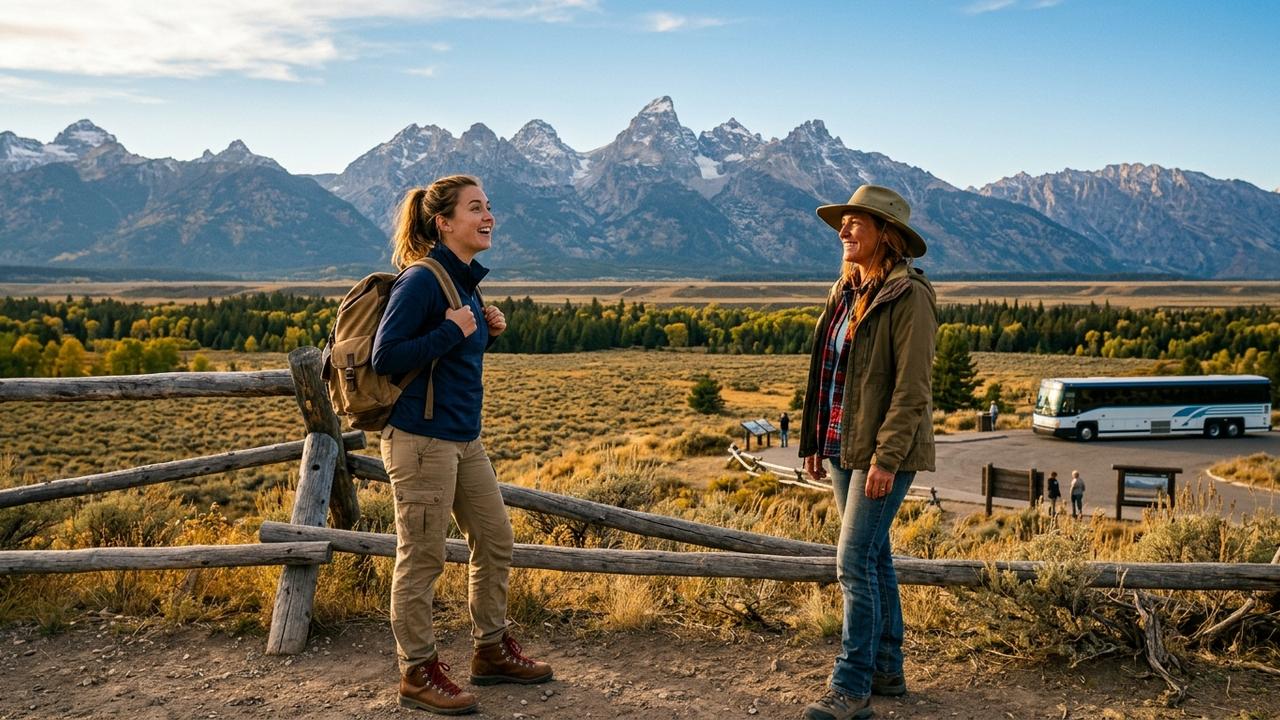
Image generated by AI
Coach Tourism Expands Across Five Major American National Parks as September 2025 Itinerary Highlights Scenic Travel Through Wyoming, Utah, and Arizona
[Jackson, Wyoming, September 2025] — A nine-day American West coach tour traversing five major national parks is drawing increased attention from domestic travelers seeking structured landscape access. The itinerary, which navigates through Wyoming, Idaho, Utah, and Arizona during early autumn, emphasizes continuous scenic movement and wildlife observation without requiring independent logistical planning. Industry observers note that guided overland routes are experiencing renewed demand as visitors prioritize convenience alongside ecological immersion.
Guided overland travel across the western United States has historically relied on coach networks to bridge vast distances between protected federal lands. Rather than requiring visitors to navigate complex inter-state routing or secure separate transportation between trailheads, structured itineraries consolidate logistics into a single continuous route. This approach allows travelers to experience geological diversity, from jagged mountain ranges to eroded canyon systems, while maintaining a predictable schedule. Tourism boards and regional operators have increasingly aligned these routes with peak seasonal conditions, particularly during early autumn when daylight hours remain stable and wildlife activity peaks across high-elevation zones.
Grand Teton National Park and the Snake River Float Expedition
The journey initiates in Jackson, Wyoming, before transitioning directly into the boundaries of Grand Teton National Park. Travelers observe the dramatic topography immediately, with the mountain range rising sharply from the valley floor. The surrounding terrain features extensive sagebrush plains that contrast with the rugged volcanic peaks. By the second day, the route shifts to the Snake River corridor, where participants board vessels for a three-hour float excursion. Wildlife monitoring proves highly active during this segment, with documented sightings of mule deer grazing near the waterline and bald eagles maintaining territories along cottonwood stands. The steady current and natural acoustics of the river provide a structured pause before the itinerary progresses toward geothermal regions.
Yellowstone National Park Geothermal Features and Wildlife Encounters
Moving northward, the coach route enters Yellowstone National Park, where the geological landscape transforms rapidly. Visitors encounter active steam vents and mineral-rich pools displaying vivid orange and turquoise mineral deposits. The terrain requires extended observation periods, as wildlife interactions frequently interrupt standard travel rhythms. On the third day, a black bear traveling parallel to the roadway triggers a temporary traffic halt, creating a documented wildlife congestion event. The animal moves steadily along the road edge as evening light illuminates the surrounding pine forest. River otter activity emerges the following day, with multiple passengers reporting sightings of the mammals surfacing along the banks. Guides note that consistent riverbank observations from moving vehicles remain uncommon, highlighting the seasonal abundance in this region.
Idaho Agricultural Stop and Swore Farms Community Initiative
Extended highway segments between major park boundaries typically reduce visitor engagement, but regional operators have integrated educational stops to maintain itinerary momentum. A designated pause at Swore Farms in Idaho allows participants to exit the coach and observe active agricultural operations. A guided tractor route demonstrates daily farming procedures, crop management, and livestock coordination. The facility operates a community support program that distributes fresh produce to local families experiencing economic hardship. Annual nomination processes determine recipient eligibility, ensuring targeted assistance reaches residents facing documented challenges. This agricultural interlude provides a practical demonstration of rural infrastructure supporting regional food networks.
Bryce Canyon National Park Hoodoo Formations and Geological Observation
The itinerary allocates a condensed timeframe for Bryce Canyon National Park, yet the geological significance draws consistent visitor attention. Viewpoint access reveals dense concentrations of hoodoos, which are tall, thin spires of rock that rise from the canyon floor. The formations display layered sedimentary textures and warm orange to red mineral oxidation patterns. Observers frequently compare the landscape to subterranean cave structures, though the open-air environment eliminates enclosed ceilings. The erosion patterns result from prolonged freeze-thaw cycles that gradually separate softer rock layers from harder capstones. This rapid geological transition remains a primary focus for photography and field documentation.
Zion National Park Open-Air Tram Transit and Valley Floor Navigation
Early morning arrivals in Zion National Park utilize an open-air tram system to navigate the narrow valley corridors. Passengers board near the visitor center before the vehicle ascends the primary canyon road. The transit method allows continuous landscape observation while minimizing ground-level congestion. Rising sunlight illuminates sandstone cliffs, revealing active reptile movement across exposed rock faces and a bighorn sheep positioned on a stable cliff outcrop. Guide commentary focuses on the Virgin River’s erosive history and the tectonic forces that carved the valley system. The tram route provides a controlled access method that preserves fragile canyon ecosystems while maintaining visitor visibility.
Grand Canyon National Park Wildflower Corridors and Volunteer Conservation Efforts
The final phase of the western route centers on Grand Canyon National Park in Arizona. Initial viewpoint stops feature dense clusters of rabbitbrush and seasonal wildflowers lining the rim pathways. The vegetation creates natural framing for panoramic canyon photography during early autumn months. The second day in Arizona introduces structured conservation activities, with volunteers utilizing rappel equipment to access previously unreachable canyon sections. These organized cleanup operations target accumulated litter and debris that standard hiking trails cannot easily address. A passing thunderstorm temporarily obscures the landscape before clearing to reveal deeper mineral coloration in the exposed rock strata. The atmospheric shift provides a documented example of how weather patterns alter geological visibility across the basin.
Regional Tourism and Environmental Management Implications
Structured coach itineraries across federal wilderness areas generate measurable economic benefits for gateway communities while introducing specific environmental management challenges. Transportation consolidation reduces the cumulative carbon footprint associated with multiple private vehicle rentals and independent routing. However, concentrated visitor arrivals at primary viewpoints require timed entry systems and expanded waste management protocols. The volunteer rappel operations at Grand Canyon demonstrate how organized tours can integrate directly into federal conservation initiatives, providing labor that supplements seasonal park staffing. Wildlife monitoring data collected during these routes also contributes to broader ecological tracking programs, as consistent observation schedules improve species population estimates across state boundaries. Regional tourism authorities continue to refine routing schedules to balance peak season capacity with habitat preservation mandates.
Future Routing Developments and Seasonal Travel Adjustments
Operators are currently evaluating route modifications for the upcoming autumn season, with adjustments focused on minimizing peak-hour congestion at high-traffic overlooks. Expanded wildlife observation windows and extended geological education segments are being integrated into standard itineraries to improve visitor retention and educational outcomes. Transportation networks are also exploring hybrid coach-electric shuttle models to reduce emissions in sensitive canyon environments. As domestic travel demand stabilizes, structured overland routes will likely maintain their position as a primary option for travelers seeking comprehensive western landscape access without independent logistical coordination.
Related Travel Guides
Disclaimer
This article is for informational and educational purposes only. It does not constitute legal, financial, or professional advice. While we strive to provide accurate and up-to-date information, travel policies, regulations, and conditions change rapidly. Always verify information with official sources before making travel decisions. Nomad Lawyer makes no representations about the accuracy, reliability, completeness, or suitability of the information provided. Readers should consult qualified professionals for advice specific to their circumstances. The views expressed in this article are those of the author and do not necessarily reflect the views of Nomad Lawyer.
Raushan Kumar
Founder & Lead Developer
Full-stack developer with 11+ years of experience and a passionate traveller. Raushan built Nomad Lawyer from the ground up with a vision to create the best travel and law experience on the web.
Learn more about our team →