
US National Parks Adventure Travel Guide 2026: Yellowstone, Yosemite, and Denali Top Destinations
US National Parks are evolving into global adventure hubs in 2026, with Yellowstone and Yosemite leading the shift toward extreme outdoor experiences, wilderness trekking, and sustainable tourism.

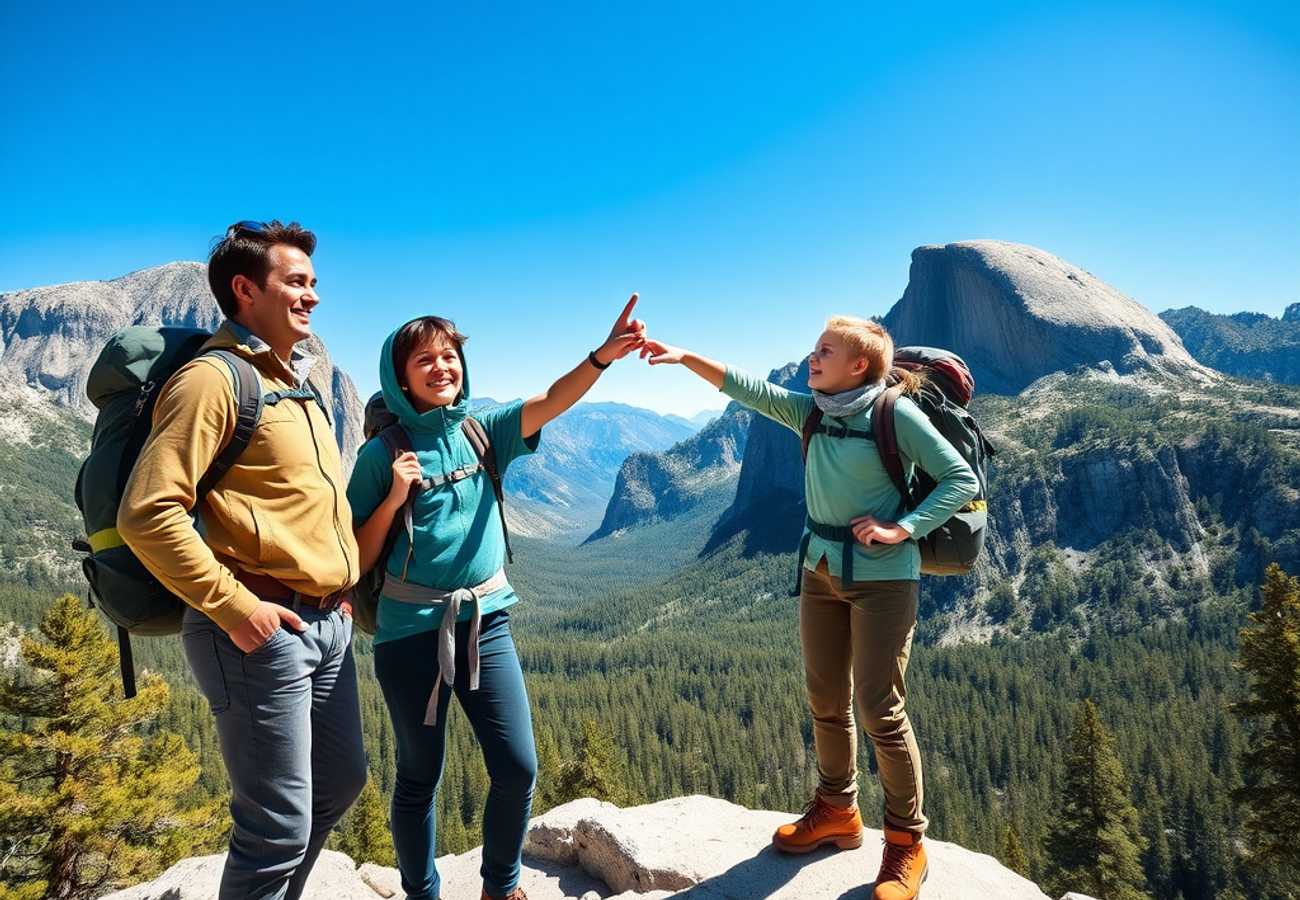
Image generated by AI
US National Parks are transitioning from passive sightseeing locations into high-intensity adventure hubs for 2026. Travelers are increasingly abandoning traditional holidays in favor of active experiences that emphasize physical challenge and environmental connection.
The shift in traveler behavior is evident across the most iconic protected lands in the United States. Destinations like Yellowstone, Yosemite, and Denali are no longer just photo opportunities; they are now primary targets for professional climbers, backcountry hikers, and extreme outdoor enthusiasts.
This surge in adventure tourism is driven by a demand for authentic, meaningful journeys. Modern visitors are prioritizing landscapes that offer genuine isolation and wildlife encounters over curated tourist circuits.
2026 Adventure Profiles: Top National Parks
The following data outlines the primary adventure hubs for the 2026 season, categorized by difficulty and seasonal accessibility.
| National Park | State(s) | Best Adventure Experiences 2026 | Difficulty | Best Season | Key Attractions | Wildlife Highlights | 2026 Visitor Notes |
|---|---|---|---|---|---|---|---|
| Yellowstone | WY, MT, ID | Backcountry hiking, wildlife safaris, kayaking, winter exploration | Moderate to Extreme | May–Sept (Winter for snow) | Old Faithful, Grand Prismatic Spring | Bison, wolves, bears, elk | Prepare for remote areas and changing weather; fee updates possible. |
| Yosemite | CA | Rock climbing, multi-day hikes, mountaineering, backpacking | Moderate to Extreme | May–Oct | Half Dome, El Capitan, Yosemite Valley | Black bears, mule deer, giant sequoias | High demand; experienced climbers should plan carefully. |
| Grand Canyon | AZ | Rim-to-rim trekking, river rafting, desert hiking | Moderate to Extreme | Mar–May, Sept–Nov | Grand Canyon Rim, Colorado River | Condors, desert wildlife | Plan for extreme heat and limited water sources. |
| Zion | UT | Canyon hiking, The Narrows trek, rock climbing | Moderate to Extreme | Mar–May, Sept–Nov | Zion Canyon, Angels Landing | Desert bighorn sheep | Permits required for specific technical trails. |
| Glacier | MT | Glacier hiking, alpine trekking, backpacking | Moderate to Extreme | July–Sept | Going-to-the-Sun Road, Highline Trail | Grizzly bears, mountain goats | Check seasonal road and trail conditions. |
| Rocky Mountain | CO | High-altitude hiking, mountaineering, camping | Moderate to Extreme | June–Sept | Longs Peak, alpine tundra | Elk, bighorn sheep | Peak-season access management may apply. |
| Grand Teton | WY | Mountaineering, climbing, kayaking, backcountry camping | Moderate to Extreme | June–Oct | Teton Range, Jenny Lake | Moose, bears, eagles | High appeal for alpine photographers and climbers. |
| Arches | UT | Desert hiking, photography, rock scrambling, stargazing | Easy to Moderate | Mar–May, Sept–Oct | Delicate Arch, Landscape Arch | Desert birds, reptiles | Arrive early to avoid crowds in 2026. |
| Bryce Canyon | UT | Hoodoo hiking, horseback riding, winter trekking | Easy to Moderate | April–Oct (Winter for snow) | Bryce Amphitheater, Navajo Loop | Mule deer, foxes | Accessible adventure trails with unique geology. |
| Acadia | ME | Coastal hiking, cycling, kayaking, climbing | Easy to Moderate | June–Oct | Cadillac Mountain, rocky coastline | Seabirds, marine wildlife | Cadillac Summit Road reservations apply. |
| Olympic | WA | Rainforest hiking, coastal trekking, mountain climbing | Moderate | June–Sept | Hoh Rain Forest, Pacific coastline | Roosevelt elk, black bears | Three distinct ecosystems in one park. |
| Denali | AK | Wilderness trekking, mountaineering, wildlife expeditions | Extreme | June–Sept | Denali peak, tundra landscapes | Grizzly bears, caribou, wolves | Most remote destination; requires advanced preparation. |
| Redwood | CA | Forest hiking, coastal trekking, camping | Easy to Moderate | Year-round | Giant redwood forests, Pacific coastline | Roosevelt elk, marine life | Immersive, slower-paced wilderness experience. |
| Everglades | FL | Kayaking, airboat exploration, wetland trekking | Easy to Moderate | Nov–April | Mangrove forests, waterways | Alligators, crocodiles, manatees | Focused on water-based exploration. |
| Canyonlands | UT | Backpacking, mountain biking, 4WD trails | Moderate to Extreme | Mar–May, Sept–Oct | Island in the Sky, Needles District | Desert wildlife | Preferred by experienced explorers seeking solitude. |
Critical Logistical Requirements for 2026
Travelers must account for several operational changes and safety mandates when planning 2026 expeditions:
- Permit Systems: Advance permits are mandatory for backpacking, specific climbing routes, river trips, and high-demand trails (e.g., Angels Landing in Zion).
- Financials: Entrance fees are subject to change. Some parks have implemented specific nonresident fee policies for international visitors in 2026.
- Safety Protocols: High-altitude and remote parks require specialized gear for extreme weather and wildlife encounter protocols (particularly in grizzly bear territories like Glacier and Denali).
- Access Control: To combat over-tourism, several parks are utilizing access management systems during peak summer months.
Why This Matters: The Shift to "Active" Tourism
From a logistical perspective, the transition of these parks from "sightseeing" to "adventure" hubs changes the infrastructure requirements for visitors. We are seeing a move away from the "shuttle-and-viewpoint" model toward a "permit-and-prepare" model.
For the traveler, this means the barrier to entry is higher. You cannot simply drive into Yosemite or Yellowstone and experience the "extreme" side of the park without significant pre-planning. The reliance on the National Park Service planning portal has become a necessity rather than a suggestion.
The industry implication is clear: the "adventure travel" segment is no longer a niche market. It is the primary driver of growth for domestic tourism. This puts immense pressure on conservation efforts, as "extreme" exploration often penetrates deeper into fragile ecosystems.
Forward Outlook
Expect 2026 to see an increase in "shoulder season" travel (March–May and September–November) as experienced adventurers seek to avoid the summer crowds. We anticipate more parks will adopt reservation-only systems for entry to protect wildlife and manage trail degradation. For those seeking the most remote experiences, Denali and Canyonlands will remain the gold standard for wilderness isolation.
Preparation is the only difference between a successful expedition and a rescue mission.
Related Travel Guides
Disclaimer
This article is for informational and educational purposes only. It does not constitute legal, financial, or professional advice. While we strive to provide accurate and up-to-date information, travel policies, regulations, and conditions change rapidly. Always verify information with official sources before making travel decisions. Nomad Lawyer makes no representations about the accuracy, reliability, completeness, or suitability of the information provided. Readers should consult qualified professionals for advice specific to their circumstances. The views expressed in this article are those of the author and do not necessarily reflect the views of Nomad Lawyer.
Preeti Gunjan
Contributor & Community Manager
A passionate traveller and community builder. Preeti helps grow the Nomad Lawyer community, fostering engagement and bringing the reader experience to life.
Learn more about our team →