
US Labor Day 2026 Travel Shock: Gas Prices Hit Record $4 Per Gallon Amid Middle East Tensions
Record-breaking gasoline prices exceeding $4 per gallon are disrupting US Labor Day 2026 travel plans, forcing motorists to shorten trips as Middle East instability pushes crude oil above $90 per barrel.

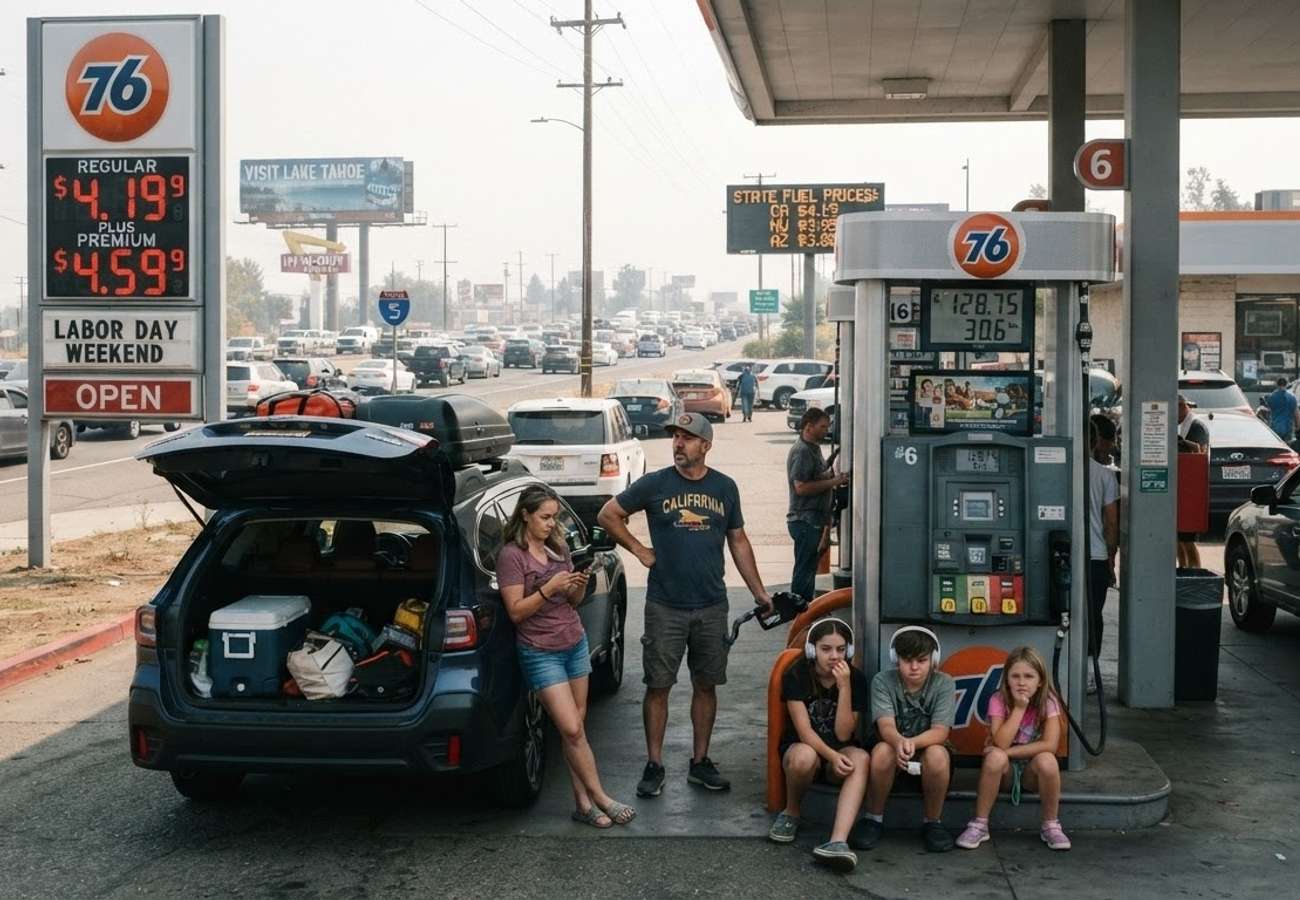
Image generated by AI
Record-breaking gasoline prices have surpassed $4 per gallon for the first time in Labor Day history, severely impacting holiday budgets across the United States. This surge is driven by crude oil prices exceeding $90 per barrel due to escalating Middle East tensions.
Record Fuel Costs Disrupt Holiday Road Trips
The 2026 Labor Day weekend has seen fuel prices eclipse the previous holiday record set in 2012. National average prices for regular gasoline have officially crossed the $4 per gallon threshold, creating a significant financial burden for millions of American motorists.
While the increase is national, specific regional markets are experiencing more acute pricing pressure. Our analysis of current market data indicates that California, Hawaii, Washington, and Colorado are reporting the most expensive fuel costs in the country.
This price hike is fundamentally altering travel behavior. Long-distance road trips, traditionally a staple of the end-of-summer holiday, are being replaced by shorter, local excursions as families attempt to mitigate the impact of rising costs.
Market Drivers: Geopolitics and Supply Constraints
The current price surge is not an isolated domestic event but a result of global energy instability. The primary catalysts include:
- Middle East Instability: Ongoing conflict involving Iran has raised critical concerns regarding crude oil supply disruptions.
- Crude Oil Benchmarks: Global crude prices have moved above $90 per barrel, which directly translates to higher costs at the pump.
- Supply Chain Bottlenecks: Refinery limitations and lower inventories have prevented prices from dropping, despite the typical seasonal decline in demand following the summer peak.
These factors have created a "perfect storm" where high holiday demand meets restricted fuel availability and geopolitical volatility.
Impact on Aviation and Logistics
The energy crisis extends beyond the private motorist. The aviation sector is facing increased operational pressure as jet fuel—one of the largest expenses for carriers—rises in cost. This trend suggests a high probability of increased ticket fares for the autumn travel season as airlines struggle to balance affordability with operational overhead.
Furthermore, the logistics sector is grappling with record diesel prices. Because diesel powers the freight networks, buses, and commercial vehicles that supply tourism hubs, these costs are likely to ripple through the economy, increasing the prices of hotel stays, restaurant meals, and attraction tickets.
Passenger Rights and Travel Advisory
For the affected traveler, these price surges necessitate a strategic shift in planning. Our analysis of current travel trends and consumer protections suggests the following actions:
- Budget Re-calculation: For those committed to long-distance travel, we recommend using real-time fuel tracking apps to identify the cheapest refueling hubs, as price variance between states (e.g., California vs. neighboring states) is currently extreme.
- Rental Car Strategy: Travelers utilizing rental vehicles should verify fuel return policies. With prices above $4 per gallon, "pre-paying" for fuel through rental agencies is likely to be significantly more expensive than refueling at independent stations.
- Aviation Fare Monitoring: If you are booking autumn flights, be aware that "fuel surcharges" may be implemented. We advise passengers to lock in fares now or utilize flexible booking options to avoid sudden price hikes driven by the $90+ per barrel crude oil trend.
- Local Alternatives: To avoid the "fuel shock," consider shifting leisure spending toward "staycation" models or destinations accessible via rail, which may offer more price stability than road-based travel.
The 2026 Labor Day crisis highlights the extreme vulnerability of the US tourism economy to global energy markets. The reliance on the family car for domestic tourism means that every cent increase in gasoline prices directly reduces the "disposable leisure dollar" spent at national parks, coastal resorts, and rural communities.
If fuel prices remain at this plateau, the industry should expect a permanent shift toward shorter-duration trips and a decline in the viability of long-haul domestic road tourism. The integration of geopolitical conflict and domestic travel costs has never been more evident.
The era of the affordable cross-country road trip is facing its most significant challenge in over a decade.
Related Travel Guides
Disclaimer
This article is for informational and educational purposes only. It does not constitute legal, financial, or professional advice. While we strive to provide accurate and up-to-date information, travel policies, regulations, and conditions change rapidly. Always verify information with official sources before making travel decisions. Nomad Lawyer makes no representations about the accuracy, reliability, completeness, or suitability of the information provided. Readers should consult qualified professionals for advice specific to their circumstances. The views expressed in this article are those of the author and do not necessarily reflect the views of Nomad Lawyer.
Raushan Kumar
Founder & Lead Developer
Full-stack developer with 11+ years of experience and a passionate traveller. Raushan built Nomad Lawyer from the ground up with a vision to create the best travel and law experience on the web.
Learn more about our team →